



A Staple With Hidden Talents
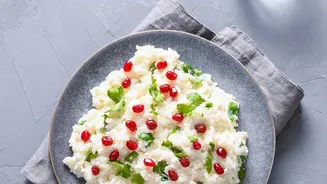
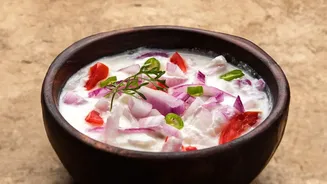
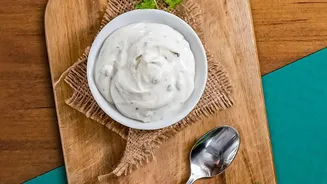
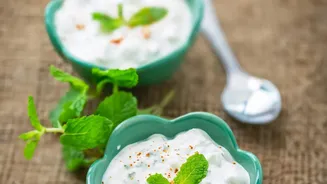
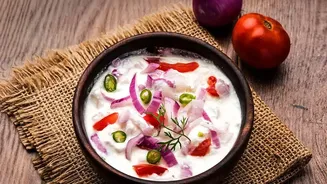
From daily meals to festive feasts, curd is an indispensable part of the Indian diet. It's eaten plain, turned into cooling raitas and refreshing drinks like chaas and lassi, or simply served alongside a spicy biryani to temper the heat. But its presence
goes far beyond the side of the plate. In the kitchen, curd transforms, acting as a souring agent, a meat tenderiser, a fermentation starter, and a creamy base for countless curries and gravies, showcasing its incredible versatility.
The Science of a Good Marinade
One of curd's most powerful roles is as a marinade, particularly for meats like chicken in dishes such as Tandoori Chicken or kebabs. The magic lies in its gentle acidity. Curd contains lactic acid, which works to break down the tough connective tissues and collagen in meat without turning the exterior to mush, a common risk with harsher acids like vinegar or lime juice. This process of denaturation results in exceptionally tender, melt-in-your-mouth results. Furthermore, the thick consistency of curd helps spices adhere to the meat, ensuring an even coating and deep flavour penetration.
The Tangy Heart of a Curry
In many Indian dishes, particularly from the north, curd is the primary souring agent. Before tomatoes became widespread, it was curd that provided the characteristic tang to many courtly Mughal-era gravies. In dishes like Kadhi, Dahi Aloo, or Mor Kuzhambu, curd is the star, lending a distinct sourness and creamy body that other ingredients can't replicate. This acidic quality helps to balance the bold and warming spices typical of Indian cooking, creating a complex and harmonious flavour profile. Unlike tamarind or dried mango powder, curd provides a fresh, creamy tang.
Creating Creamy, Rich Gravies
Curd is a cornerstone for building luscious, velvety gravies without the heaviness of cream or nuts. When cooked correctly, it adds a rich texture and tangy depth. However, adding curd to a hot pan can be tricky, as it has a tendency to curdle or split. To prevent this, chefs recommend whisking the curd thoroughly until smooth and bringing it to room temperature before use. It should be added to the curry over low heat, and the dish should be stirred continuously until the curd is fully incorporated and the gravy begins to simmer. Some cooks also mix in a stabilising agent like chickpea flour (besan) or cornstarch to ensure a silky-smooth finish.
A Fermenting and Cooling Agent
The live bacterial cultures in curd also make it a useful fermentation starter. It can be used to kickstart the fermentation process in batters for dishes like Dhokla, Idli, and Dosa, adding a subtle sourness and aiding in leavening. Beyond its role in cooking, curd is fundamentally a cooling agent. Its probiotic nature is known to aid digestion. This is why a bowl of raita or a glass of lassi is the perfect accompaniment to a spicy meal, providing balance not just in flavour but also in its calming effect on the digestive system.