



An Exotic Fruit with Indian Roots
Native to Brazil, the passion fruit vine, or Passiflora edulis, has found a welcoming home in India. It thrives in the temperate climates of the north-eastern states like Manipur, Nagaland, and Mizoram, as well as in the Western Ghats regions of Kerala
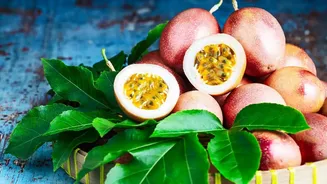
and Karnataka. Commonly known as 'Krishna Phal', this fruit comes in two popular varieties: a smaller, purple-skinned version and a larger, yellow one. While the purple variety is often sweeter and more aromatic, the yellow fruit is known for its tartness, making both uniquely suited for different culinary uses. A hybrid variety called 'Kaveri', developed in Karnataka, combines the best of both.
A Nutritional Powerhouse
Don't let its small size fool you; passion fruit is incredibly nutrient-dense. It is an excellent source of dietary fibre, with a single fruit providing a significant portion of your daily needs. This fibre is crucial for maintaining a healthy digestive system and promoting regular bowel movements. The fruit is also loaded with Vitamin C, a powerful antioxidant that boosts the immune system, and Vitamin A, which is essential for good vision and healthy skin. Furthermore, it provides essential minerals like potassium, which is vital for heart health, as well as iron and magnesium.
Rich in Health-Boosting Antioxidants
Passion fruit is packed with beneficial plant compounds and antioxidants that help protect the body from damage caused by free radicals. These include polyphenols, beta-carotene, and, of course, a high concentration of Vitamin C. Antioxidants play a key role in reducing inflammation and are linked to a lower risk of chronic conditions such as heart disease. The beta-carotene in the fruit is converted into Vitamin A in the body, which not only supports vision but also helps maintain a strong immune system.
From Heart Health to Glowing Skin
The rich nutritional profile of passion fruit translates into a wide array of health benefits. The high potassium content helps regulate blood pressure, contributing to better cardiovascular health. The fibre, particularly when you consume the edible seeds, can help manage cholesterol levels. For those with diabetes, the fruit's low glycemic index and high fibre can help prevent sharp spikes in blood sugar. The abundance of antioxidants like Vitamin A and C also promotes skin health by aiding in collagen production and protecting against environmental damage, leading to a hydrated and youthful glow.
Bringing the Tang to Your Kitchen
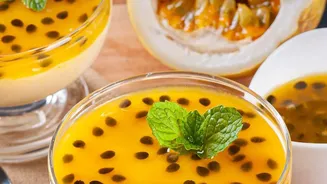
The true magic of passion fruit lies in its versatility. The easiest way to enjoy it is to cut it in half and scoop out the pulp with a spoon. The crunchy seeds are completely edible and provide extra fibre. For a refreshing drink, blend the pulp with water and a little sweetener for a simple juice, or mix it into smoothies with mango and coconut milk. In the kitchen, its bold, tangy flavour can elevate desserts like mousses, cheesecakes, pavlovas, and panna cottas. It can be made into a delicious curd or jam to spread on toast or a glaze for cakes. Don't be afraid to experiment with savoury dishes either; a passion fruit vinaigrette can add a zesty twist to salads.
How to Choose and Store
When selecting passion fruit, look for fruit that is heavy for its size. For the purple variety, a slightly wrinkled skin is a good sign—it indicates ripeness and a sweeter flavour. Smooth-skinned fruits will ripen on your counter over a few days. The fruit should be free of blemishes or soft spots. Store them at room temperature until they reach your desired ripeness, after which they can be kept in the refrigerator for about a week to prolong their freshness. You can also scoop out the pulp and freeze it in ice cube trays for long-term storage, ensuring you have a taste of the tropics on hand whenever you need it.