






The Humble Bottle Gourd (Lauki)
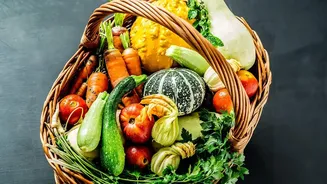
Often overlooked, bottle gourd, also known as lauki or doodhi, is a monsoon superstar. With its high water content, it's incredibly hydrating and easy on the digestive system, a common concern during this season. Its subtle flavour makes it a versatile
canvas for a variety of dishes. Instead of the usual sabzi, try grating it to make delicious koftas simmered in a light tomato gravy. For a cooling side dish, mix grated lauki into yoghurt for a simple raita. You can even shred it and cook it with dal for a hearty, nutritious meal, or surprise your family with a sweet lauki halwa, a classic dessert that showcases its adaptability.
Versatile Ridge Gourd (Turai)
Ridge gourd, or turai, is another monsoon favourite prized for being light and low in calories. Its soft texture and ability to absorb spices make it a delight to cook with. Beyond a simple stir-fry, turai shines in many preparations. Cook it with moong dal for a comforting and easy-to-digest curry that pairs perfectly with rice. For a flavourful twist, consider making a South Indian-style chutney with the peels, ensuring no part of the vegetable goes to waste. You can also stuff it with a blend of spices and roasted gram flour before pan-frying for a more elaborate side dish.
Sturdy Pointed Gourd (Parwal)
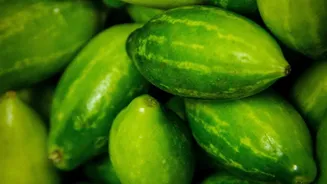
Pointed gourd, or parwal, is a resilient monsoon vegetable with a satisfyingly firm texture. It holds its shape well, making it ideal for a variety of cooking methods. While often used in dry stir-fries with potatoes, it can be much more exciting. Try making 'Bharwa Parwal', where the gourds are hollowed out and stuffed with a fragrant mixture of spices, paneer, or mashed potatoes before being slow-cooked. Another delicious option is to cook it in a rich, tangy yoghurt-based gravy. For a simpler preparation, slice it thinly and air-fry with a coating of spices for a crunchy, healthy snack.
Earthy Amaranth Leaves (Chaulai)
During Shravan, many leafy greens are avoided, but amaranth leaves, or chaulai, are a notable exception in many traditions. These tender greens are packed with iron, vitamin C, and calcium, making them a great addition to a vegetarian diet. A simple stir-fry with garlic and red chillies is a quick way to prepare them. For more variety, you can finely chop the leaves and knead them into dough for flavourful parathas or rotis. They can also be added to lentils to create a wholesome dal, or combined with potatoes for a classic 'chaulai aloo' sabzi.
Sweet Corn on the Cob (Bhutta)
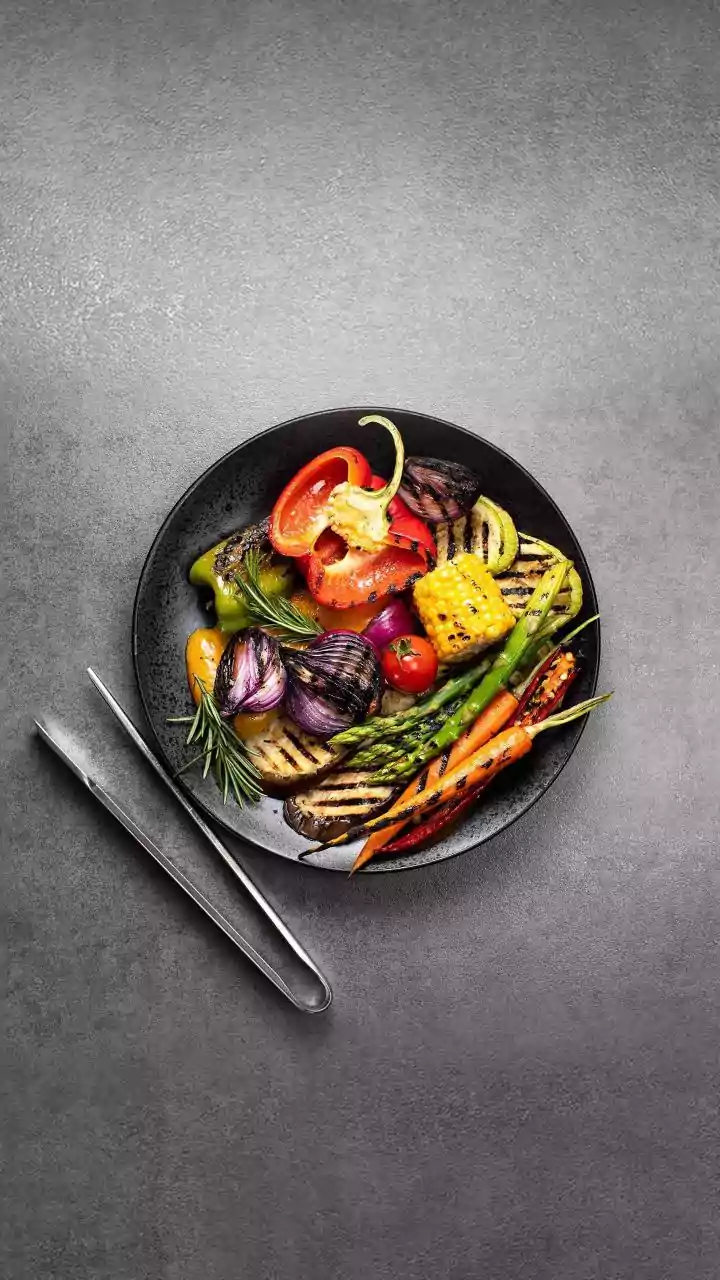
The arrival of monsoon is synonymous with the sight of street vendors roasting corn on the cob over hot coals. Bhutta is more than just a snack; it's a versatile ingredient for your kitchen. Once you have your roasted or boiled corn, the possibilities are endless. Shave the kernels off the cob and make a vibrant corn salad with chopped onions, tomatoes, and a squeeze of lime. The kernels can also be blended into a creamy, comforting soup. For a hearty meal, mix them into a vegetable pulao or use them as a filling for savoury tikkis and cutlets.
Root Vegetables for Energy
Root vegetables like potatoes, sweet potatoes (ratali), and taro root (arbi) are staples during Shravan, especially for those who are fasting. They provide sustained energy and are incredibly versatile. Beyond a simple potato curry, you can make crispy, pan-fried arbi tossed in ajwain (carom seeds). Sweet potatoes can be simply boiled and eaten with a sprinkle of rock salt or roasted and mashed into savoury tikkis. Grated potatoes can be used to make vrat-friendly kachoris with a filling of coconut and peanuts, offering a satisfying and festive meal option.