



The Soul of the Tart: South Indian Spice Pastes
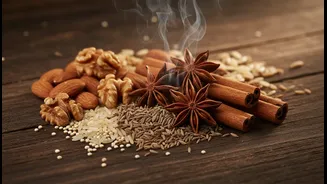
The magic of this recipe lies in the heart of South Indian cuisine: the freshly ground masala paste. Traditionally prepared on an ammikallu (grinding stone), these pastes offer a depth of flavour and aroma that is hard to replicate. The slow grinding process
preserves the essential oils of the spices, creating a paste that is intensely fragrant and flavourful. While you can use a modern blender, the principle remains the same: use fresh ingredients for the best result. Common pastes include Chettinad masala, a robust blend known for its heat and complexity, or simpler pastes based on coconut, coriander, and red chillies. Even a basic paste made with roasted lentils, chillies, and sesame seeds, like a malgapodi, can be adapted for a beautiful tart filling. The goal is to create a flavour base that is bold enough to stand up to the richness of the pastry.
Mastering the Foundation: A Flaky Savoury Crust
A gourmet tart is only as good as its crust. For our savoury creation, a classic pâte brisée, or basic savoury tart dough, is the perfect choice. This simple dough relies on cold ingredients and a light touch to achieve its signature flaky, buttery texture. The key is to use very cold butter, cut into small pieces, and work it into the flour until it resembles coarse breadcrumbs with some pea-sized butter chunks remaining. Use ice-cold water, adding just enough for the dough to come together into a shaggy ball. Be careful not to overwork it. Once formed, wrap the dough in plastic and let it rest in the refrigerator for at least 30 minutes. This allows the gluten to relax and the butter to firm up, which prevents the crust from shrinking in the oven.
Blind Baking for a Crisp Bottom
To avoid a soggy bottom, especially with a wet filling, blind baking your tart shell is an essential step. After chilling, roll out your dough and carefully fit it into your tart pan. Prick the bottom with a fork, line it with parchment paper, and fill it with pie weights, uncooked rice, or dried beans. This weighs the pastry down and stops it from puffing up. Bake in a preheated oven at around 200°C (400°F) for about 20 minutes. Then, carefully remove the paper and weights and bake for another 5-10 minutes, or until the bottom is pale golden and looks dry. This creates a sealed, crisp case ready for its delicious filling.
Building a Flavourful Filling
This is where the fusion truly comes to life. Start by sautéing classic aromatics like finely chopped onion, ginger, and garlic in a pan. Add your chosen South Indian spice paste and cook for a few minutes until it becomes fragrant. This step is crucial for blooming the spices and deepening their flavour. Now, introduce your main ingredients. Roasted vegetables work wonderfully; think potatoes, carrots, cauliflower, and green beans. Paneer is another excellent choice, as its mildness absorbs the surrounding flavours beautifully. You could also use chicken or mushrooms. Combine these with the spice paste base, and consider adding a binder like a beaten egg, a splash of coconut milk, or a little cream to bring it all together into a cohesive filling.
Assembly and the Final Bake
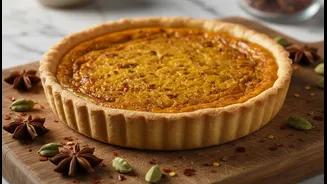
Once your tart shell is blind-baked and your filling is prepared, the final assembly is simple. Spoon the filling evenly into the crisp pastry case. You can get creative with the top, perhaps arranging some sliced vegetables in a pattern or simply smoothing it over. Brush the exposed edges of the pastry with an egg wash for a beautiful golden-brown finish. Bake the assembled tart at around 180°C (350°F) for 25-35 minutes, or until the filling is heated through and the pastry is a deep golden colour. Let it cool for a few minutes before slicing and serving. The result is a spectacular dish that is both rustic and refined, showcasing a perfect marriage of Indian flavours and French technique.