






The Anatomy of a Panic-Booking
That flashing warning is a common feature of airline booking sites, designed to create a sense of urgency. It’s a direct result of dynamic pricing. Airlines use complex algorithms that adjust fares in real-time based on demand, seat availability, competitor
pricing, and even how many people are looking at the same flight at that moment. The price can go up or down. While the alert might be technically true—the fare bucket you're booking into could sell out—its primary goal is to push you to complete the purchase immediately. This manufactured pressure is where travellers make mistakes, turning a good deal into a logistical nightmare.
The High Cost of a Small Typo
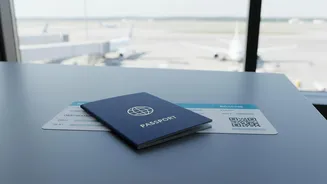
The single biggest risk of rushing is entering incorrect passenger details. Your name on the ticket must exactly match your government-issued ID, such as your passport or Aadhaar card. A simple typo, using a nickname instead of a full name, or swapping your first and last names can have serious consequences. Airlines are not obligated to let you fly if the names don't match. Correcting a name, if the airline allows it, can be expensive. For instance, some Indian carriers charge fees ranging from ₹2,500 to ₹5,000 for name corrections, and that's if they permit the change at all. For some restrictive fares, a name change is impossible, forcing you to cancel the ticket (often with a penalty) and book a new one at a potentially much higher price.
Your Pre-Booking Checklist
The best way to combat booking anxiety is to be prepared. Before you even start searching for flights, gather all necessary information. Keep a digital note or have physical documents handy with the full legal names, dates of birth, and passport details (including issuance and expiry dates) for all passengers. Double-check that the names are spelled exactly as they appear on the ID. Many frequent flyers save passenger details in airline or travel portal accounts to auto-fill this information, reducing the chance of manual error. When you get to the payment page, don’t just grab the nearest credit card. Ensure the card has sufficient a balance and that you know the billing details by heart to avoid fumbling under pressure.
Staying Calm When the Fare Changes
When the inevitable pop-up appears, take a deep breath and ignore the impulse to rush. Your goal is accuracy, not speed. Slowly and methodically review every single detail you have entered: names, dates, and contact information. Cross-reference them with your prepared notes or documents. It is far better to let the timer run out and risk a fare increase of a few hundred rupees than to book a ticket with a mistake that could cost you thousands. Remember that often, the fare may not change at all, or it might even go down. If you're kicked out of the booking flow, simply start over, calmly and carefully.
What to Do If You've Made a Mistake
If you do realise you’ve made a mistake after booking, act immediately. In India, the Directorate General of Civil Aviation (DGCA) has rules that can help. Passengers are entitled to a 24-hour window after booking to correct their name without any additional charges, provided the ticket was booked directly on the airline’s website. There is also a 48-hour 'look-in' option for cancelling or amending tickets without penalty, though this has conditions related to how far in advance the flight is. If you're outside this window, contact the airline or your travel agent immediately. Explain the situation clearly. Minor typos are often easier and cheaper to fix than significant name changes. The sooner you address the issue, the more likely you are to find a favourable resolution.