







Why Your Flight Gets Grounded
While modern aircraft are designed to fly in rain, heavy downpours introduce several risks that can lead to delays or cancellations. [3] The primary concern is safety, a principle recently re-emphasised by India's aviation watchdog, the DGCA, which has urged
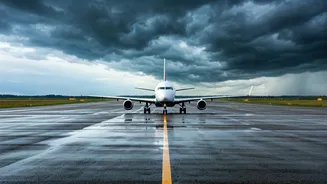
pilots to prioritise safety over schedules in adverse weather. [2, 9, 11] One major factor is reduced visibility. [3] During takeoff and landing, pilots need a clear view of the runway. Heavy rain can obscure vision, and when combined with low clouds or fog, it can fall below the minimum safety requirements, forcing air traffic control to halt or space out operations. [3, 14] Another critical issue is the condition of the runway itself. Water can make runways slippery, increasing the risk of hydroplaning and significantly extending the braking distance required for a safe landing. [3, 6, 14]
The Science of a Slippery Runway
Hydroplaning is a serious risk where a layer of water builds up between an aircraft's tyres and the runway surface, causing a loss of traction and control. [15] This can happen when water accumulates on the runway faster than it can be drained away. [18] While major airport runways are grooved and crowned to help water run off, extremely heavy rain can overwhelm these systems. [25] Pilots are trained to handle these conditions, often by making a firmer touchdown to break through the water layer and using reverse thrust more aggressively, but the safest option is often to delay or divert the flight. [15, 18] The DGCA has specifically highlighted the need for pilots to rely on instruments over visual cues in rainy conditions to avoid illusions and ensure accurate landings. [2, 10]
How Rain Derails Your Train Journey
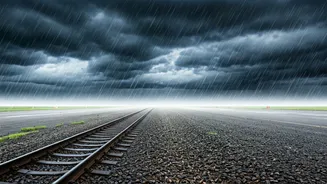
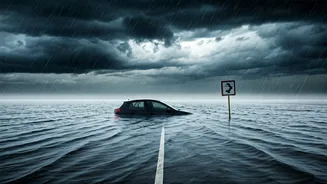
For the Indian Railways network, monsoon season presents a formidable challenge. The most immediate problem is waterlogging. [16, 26] When tracks are submerged, trains must slow down significantly to a 'restricted speed' to avoid damaging the train and the tracks. [8, 12] If the water level rises above the rails, services are often suspended entirely to prevent derailments and damage to the train's electrical systems. [8] This is a recurring issue in low-lying urban areas like Mumbai, where the first heavy spells of rain frequently lead to delays and cancellations. [20, 26] Beyond flooding, heavy rain saturates the ground, leading to landslips and erosion, especially in hilly terrain or areas with cuttings. [1, 22] Soil, mud, and rocks can fall onto the tracks, blocking the line completely. [1] This not only stops trains but also requires extensive engineering work to clear the debris and stabilise the track bed, causing prolonged disruptions. [1, 20]
Signal Failures and Slower Speeds
Heavy rain can also play havoc with the complex signalling systems that ensure safe train operations. Water can short-circuit electrical components in trackside equipment and point machines—the mechanisms that switch trains between tracks. [24] A failure in the signalling system forces trains to a halt or to proceed with extreme caution under manual instructions, creating a ripple effect of delays across the network. Furthermore, wet tracks reduce the friction between the train's wheels and the rails, increasing braking distances. [8] To maintain safety margins, train operators often impose speed restrictions during heavy rain, which inevitably leads to longer journey times and delayed schedules. [8, 12]
What You Can Do as a Traveller
When severe weather hits, being prepared can make a huge difference. First, always check the status of your flight or train before heading to the airport or station. Most airlines and railways provide real-time updates via their apps and websites. During monsoon season, consider that disruptions are possible and build buffer time into your travel plans. If your travel is cancelled, you are generally entitled to either a full refund or a booking on the next available service. [29] For weather-related cancellations, airlines are not always obligated to cover additional costs like meals or hotels, so check your travel insurance or credit card benefits, which may offer coverage. [17] If you are at the airport or station, speak to staff calmly to understand your options, which might include being rebooked on a partner airline or alternative transport. [17, 23]