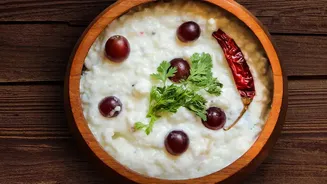


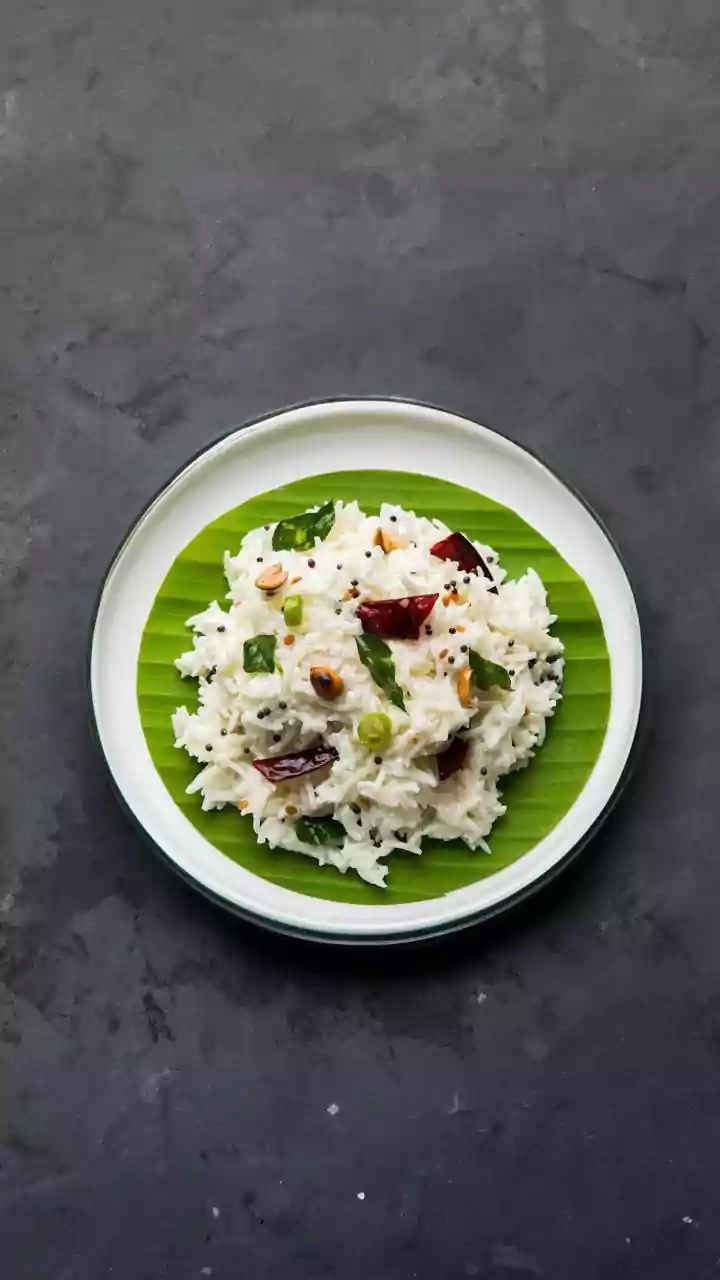

In many Indian homes, winter marks the end of curd season, packed away with the summer clothes. The belief that dahi causes colds and coughs is strong, but is it based on fact or fiction? Let's separate the myths from the science.
The Age-Old Winter Warning
The advice to avoid curd,
or dahi, during colder months is a piece of wisdom passed down through generations. The reasoning is often linked to traditional beliefs, including some interpretations of Ayurveda, which suggest that curd has a cooling effect and can increase mucus production. This is based on the idea that it aggravates the 'Kapha' dosha, which is associated with cold and congestion, potentially making respiratory issues like asthma or a common cold feel worse. As a result, many people diligently remove this nutritious food from their diet the moment the temperature drops, fearing it will lead to a sore throat or a nasty cough.
What Nutritional Science Says
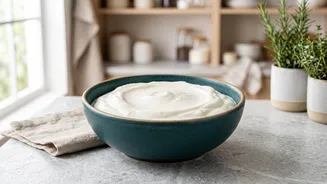
Modern nutrition science, however, tells a different story. Far from being a winter villain, curd is a nutritional powerhouse packed with essential nutrients that are beneficial year-round. It's an excellent source of high-quality protein, calcium for bone health, and vital vitamins like B12. More importantly, curd is a rich source of probiotics—live beneficial bacteria that are crucial for maintaining a healthy gut microbiome. A healthy gut is the cornerstone of a strong immune system, which is exactly what you need to fight off seasonal illnesses. The idea that curd is inherently 'cold' is a misunderstanding; its temperature is cold when refrigerated, but its effect on the body is not necessarily cooling. In fact, some Ayurvedic perspectives even describe curd as having a heating or 'ushna' potency.
The Great Mucus Misconception
The biggest charge against curd in winter is that it creates phlegm. However, scientific studies have largely debunked the idea that dairy products increase mucus production for most people. Research has shown no significant link between consuming milk or dairy and an increase in nasal secretions or congestion during a common cold. What some people experience is a temporary thickening of saliva after consuming dairy, which can be mistaken for more mucus. This sensation does not mean your body is producing more phlegm to clog your airways. For individuals without a specific dairy allergy, which can indeed trigger inflammation and mucus, curd is unlikely to be the cause of your winter sniffles.
An Immunity Booster, Not a Threat
Instead of causing colds, regular consumption of curd can actually help prevent them. About 70% of your immune system resides in your gut, and the probiotics in curd directly support this vital defence network. These good bacteria help strengthen your gut lining, making it harder for harmful pathogens to cause infection. Studies have shown that probiotics can enhance the body's immune response and may even reduce the risk and duration of upper respiratory tract infections. Therefore, including curd in your diet during winter could be a smart move to keep your immunity strong and resilient against seasonal bugs.
How to Enjoy Curd Smartly in Winter
You don't have to give up curd entirely when it's cold outside. The key is to consume it mindfully. The primary issue is often temperature, not the curd itself. Avoid eating it chilled, straight from the refrigerator. Let it sit out and come to room temperature before consumption. Many experts suggest that the best time to have curd is during the day, preferably with your lunch, when your digestive system is most active. It's generally advised to avoid it late at night, especially if you are prone to congestion. To balance its properties, you can try adding a pinch of black pepper or roasted cumin powder, which are considered 'warming' spices. This way, you can enjoy all the benefits of this superfood without worry.