







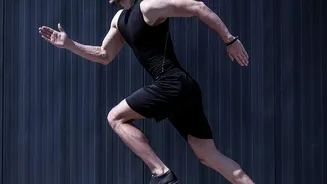
Why Humid Runs Are So Draining
Running in humidity feels harder because it is harder. When the air is saturated with moisture, your sweat doesn't evaporate efficiently. Since evaporation is your body's primary cooling mechanism, your core temperature rises more quickly. Your heart
works harder, pumping more blood to the skin to try and cool down, which means less oxygenated blood is available for your working muscles. This increased cardiovascular strain leads to earlier fatigue, a higher perceived effort, and greater overall stress on your body, making recovery a top priority.
The Science of Contrast Showers
Contrast therapy, or alternating between hot and cold water, isn't a new trend; it's a recovery technique used for centuries. The science is straightforward. Hot water causes vasodilation, widening your blood vessels and increasing blood flow to your tissues. Cold water does the opposite, causing vasoconstriction, which narrows the vessels. Alternating between the two creates a "pumping" action in your circulatory system. This process is thought to help flush out metabolic waste products, like lactic acid, that accumulate during intense exercise and may contribute to soreness. It also helps deliver fresh, oxygenated blood to your tired muscles, potentially reducing inflammation and speeding up the repair process.
A Step-by-Step Guide
The beauty of a contrast shower is its simplicity. You don't need any special equipment, just a shower with hot and cold water. For the best results, try this protocol within a few hours of your run. 1. Start Warm: Begin with 2-3 minutes of a comfortably warm to hot shower. This helps relax your muscles and opens up your blood vessels. 2. Go Cold: Switch the water to cold for 30-60 seconds. Make it as cold as you can comfortably tolerate. Focus on your breathing to manage the initial shock. 3. Repeat the Cycle: Alternate between hot and cold for 3 to 4 cycles. A common ratio is about 3 minutes of hot to 1 minute of cold. 4. Always End Cold: Finish your final cycle with cold water. This is believed to help close the vessels and lock in the anti-inflammatory benefits, while also leaving you feeling alert and energised.
Maximising the Benefits
While the basic method is simple, a few extra tips can enhance the experience and effectiveness. Consistency is key; aim to incorporate contrast showers after your most strenuous or humid runs for the best long-term results. During the cold phases, try to direct the water flow onto the major muscle groups you've just worked, like your quads, hamstrings, and calves. While some research on the benefits compared to other recovery methods like simple cold water immersion is still ongoing, many athletes report feeling less muscle soreness and fatigue. It's a low-risk, high-reward habit that can make a tangible difference in how you feel the day after a tough workout.
Are There Any Risks?
For most healthy individuals, contrast showers are perfectly safe. The biggest challenge is often mental—braving the cold water takes some getting used to. However, if you are pregnant or have certain pre-existing health conditions, such as high blood pressure, cardiovascular disease, or diabetes, it's essential to exercise caution. The rapid changes in blood vessel size and heart rate can put extra strain on the circulatory system. If you have any concerns, it's always best to speak with a doctor before adding this or any new recovery method to your routine. Always listen to your body; recovery shouldn't be painful.