






Why Control Matters
A shy or fearful pet, whether a rescue dog with a traumatic past or a cat who is naturally timid, often sees the world as a source of unpredictable threats. Loud noises, sudden movements, and even an outstretched hand can trigger a fight-or-flight response.
By forcing interactions—insisting on petting, picking them up, or cornering them for affection—we reinforce their belief that they are powerless and that people are scary. When you grant a pet control over their own space and interactions, you fundamentally change your role from a potential threat to a source of safety and predictability. This simple shift empowers them, reduces their chronic stress, and lays the foundation for genuine trust. They learn that their choices are respected, which is the first step toward building confidence.
Reading Their Language
Learning to offer control starts with understanding when your pet is saying “no.” Animals communicate primarily through body language. A fearful dog might not just cower; they might also yawn when not tired, lick their lips, or show the whites of their eyes. A tense, lowered body, or a tucked tail are clear signs of anxiety. For cats, fear can manifest as crouching low to the ground, pupils dilated into wide black circles, or ears flattened sideways like airplane wings. Hissing or growling are obvious warnings, but so is a tense body that has frozen in place. Recognizing these subtle and overt signals is crucial. When you see them, your job is to stop what you're doing and create space, showing them you understand and respect their boundary.
The Art of the Invitation
Instead of approaching your pet, invite them to approach you. This is a core principle for winning over a shy animal. Sit on the floor, sideways to them, and avoid direct eye contact, which can be seen as confrontational. You can scatter some high-value treats near you, but not so close that they feel pressured to come near. Let them retrieve the treat and retreat to a safe distance. Don't try to pet them as they do this. The goal is to build a positive association with your presence without the pressure of physical contact. You become a predictable source of good things, like treats and calm energy, without any scary strings attached. This low-pressure approach allows the pet to make brave choices at their own pace.
Mastering the Consent Test
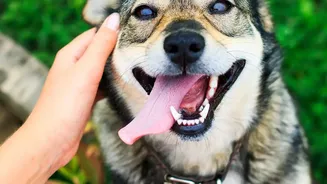
When your pet finally musters the courage to approach you, the temptation to shower them with affection is huge. Resist it. This is where the 'consent test' comes in. If they nudge your hand or rub against you, pet them gently for just a few seconds, then stop and pull your hand back slightly. Now, watch. Do they lean back in, asking for more? Or do they stay still, turn away, or move away entirely? Their reaction is the answer. If they lean in, you have consent for more petting. If they do anything else, it’s a “no” for now, and you must respect that. This simple 'pet, pet, pause' method reinforces that they are in the driver's seat, which builds trust faster than any forced affection ever could.
Creating a Safe Environment
A shy pet needs a safe, predictable environment to feel secure enough to let their guard down. This means establishing consistent routines for feeding, walks, and quiet time. Ensure they have a 'safe zone'—like a crate, a covered bed, or a spot under a chair—where they know they will never be bothered. This is their sanctuary. When guests come over, instruct them to ignore the pet completely. No staring, no calling their name, and definitely no attempts to pet them. This removes social pressure and allows the animal to observe from a distance without feeling threatened. If another dog lives in the house, a shy dog will often learn from watching the confident dog's interactions, seeing that humans can be trusted.