



The Science of Shallow Roots
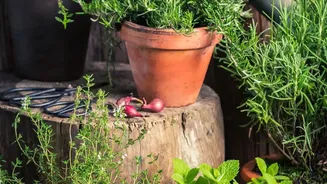
Not all herbs are created equal when it comes to container gardening, especially in shallow pots. The primary reason Tulsi, mint, and coriander excel in this environment is their root structure. Unlike deep-rooted plants such as rosemary or curry leaves,
which require significant soil depth to thrive, these three have fibrous, shallower root systems. Mint, for example, is famous for its runners (stolons) that spread horizontally rather than plunging deep. This characteristic makes it a perfect candidate for wider, shallower containers where it has room to spread out. Similarly, coriander and Tulsi can flourish without a deep soil column, provided their other needs are met. This adaptability to limited vertical space is the first key to their success on a windowsill.
Tulsi: A Resilient Sun Worshipper
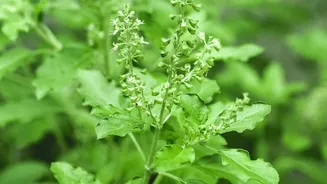
Tulsi, or Holy Basil, is a staple in many Indian households and is revered for its medicinal and spiritual properties. While it loves warmth and sun, it proves surprisingly resilient indoors during winter. The key is to provide it with as much light as possible, ideally 4-6 hours daily near a south-facing window. Tulsi is sensitive to cold drafts and frost, making a stable indoor environment far preferable to the harsh outdoors. It thrives in temperatures common to Indian homes, generally above 15°C. During winter, its growth slows, meaning it requires less water. Overwatering is a common mistake; it's best to let the top inch of soil dry out before watering again. Its ability to adapt to slightly lower light and appreciation for stable indoor temperatures make it an excellent winter companion.
Mint: The Vigorous and Forgiving Herb
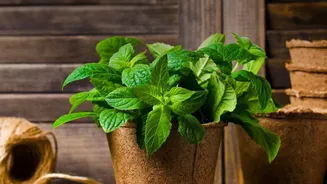
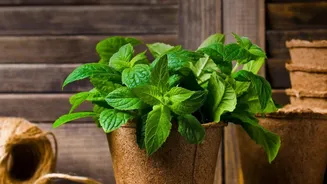
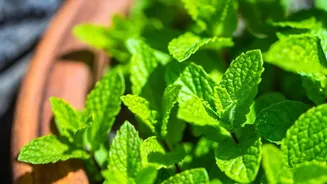
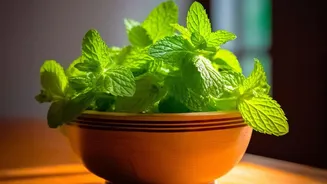
Mint is famously easy to grow, almost to a fault in a garden bed where it can quickly take over. This same vigour is a huge asset in a contained windowsill pot. It's one of the most forgiving herbs when it comes to light, tolerating less direct sun than many others, though it does best in a bright spot. Mint's spreading nature means it's happy in a wider pot rather than a deep one. During winter, its growth will slow, but it can continue to produce leaves for your tea or chutney. Like Tulsi, it needs less water in cooler months. Keeping the soil consistently moist but not waterlogged is crucial to prevent root rot. Mint also appreciates a bit of humidity, which can be a challenge in dry winter homes, but grouping it with other plants can help create a beneficial microenvironment.
Coriander: The Cool-Season Champion
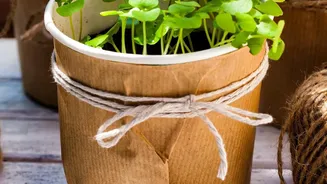
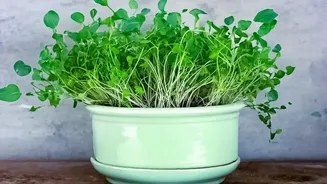
Coriander (also known as Dhania or Cilantro) is a cool-season herb, which is precisely why it can do so well indoors during winter. It actually struggles in intense summer heat, which can cause it to 'bolt' (flower prematurely). The cooler, stable temperatures of an indoor windowsill are often ideal. Coriander grows quickly from seed and has a relatively shallow root system, making it suitable for smaller pots. For a continuous supply, it's best to sow seeds every few weeks. It needs consistent moisture, so don't let the pot dry out completely. Providing it with 4-6 hours of sunlight a day will ensure lush, flavourful leaves for your kitchen creations all season long.
Your Windowsill Success Plan
To set up your winter herb garden, choose wide, shallow containers with excellent drainage holes. Using a quality potting mix, rather than heavy garden soil, will prevent waterlogging. Position your pots on the sunniest windowsill you have, typically one facing south. Rotate the pots weekly so all sides of the plants get light. Be mindful of watering; the reduced light and slower growth of winter mean your plants will be less thirsty. Always check the top inch of soil with your finger before adding more water. Prune your herbs lightly by snipping off the top leaves. This encourages bushier growth and provides you with fresh flavours for your meals. With just a little attention, your windowsill can be a source of green, aromatic life throughout the colder months.