






The Science of Staying Dry
Choosing the right outfit for a rainy day is a science. The core principle revolves around how fabrics interact with moisture. Some materials absorb water, becoming heavy, clingy, and taking hours to dry. Others repel moisture or dry quickly, keeping
you comfortable even if you get caught in a downpour. The goal is to select materials that are lightweight, breathable, and manageable in high humidity. Fabrics that allow air to circulate prevent that sticky, stuffy feeling common during muggy weather and can also help prevent skin irritation. A smart monsoon wardrobe prioritises quick-drying and moisture-wicking properties over everything else.
Fabrics to Embrace This Monsoon
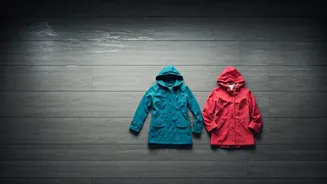
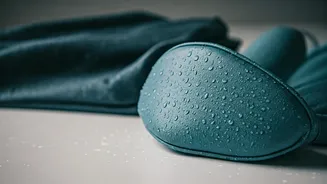
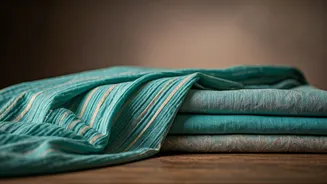
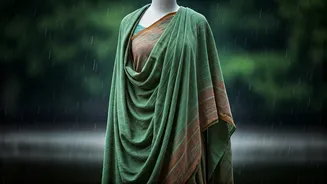
For a comfortable monsoon experience, turn to synthetic and blended fabrics. Polyester is a rain-friendly champion because it naturally repels water and dries rapidly. Similarly, nylon is excellent for outerwear like raincoats due to its durability and water resistance. Blends are your best friend; a cotton-polyester mix, for instance, offers the breathability of cotton with the quick-drying benefits of a synthetic. Rayon and crepe are also fantastic choices; they are lightweight, don't cling to the body when damp, and drape beautifully, allowing you to stay stylish without compromising on comfort. Surprisingly, linen can also be a good option. While it gets wet, it dries very quickly and doesn't hold odours.
Fabrics to Avoid Until a Sunny Day
Certain fabrics are best left in the closet during the rainy season. Heavy, pure cotton can be a poor choice as it absorbs a lot of moisture, becomes heavy, and takes a very long time to dry. Similarly, dense denim is best avoided; once wet, it becomes cumbersome and uncomfortable for hours. Delicate materials like silk and satin are also risky, as rainwater can leave permanent stains and cause the fabric to lose its shape. Heavy materials such as velvet and wool should be completely avoided as they are highly absorbent and can become incredibly uncomfortable when damp.
Finding Your Footing: Monsoon Footwear
Your choice of footwear is arguably the most critical decision for any rainy-day outing. The ideal monsoon shoe should offer a strong grip on slippery surfaces, be made of waterproof material, and be easy to clean. This is the season to pack away your most precious shoes and opt for practicality. Functionality should be your guide, as the wrong shoes can not only be uncomfortable but also lead to slips and falls, or get ruined by water damage.
The Best Shoes for Splashing Through
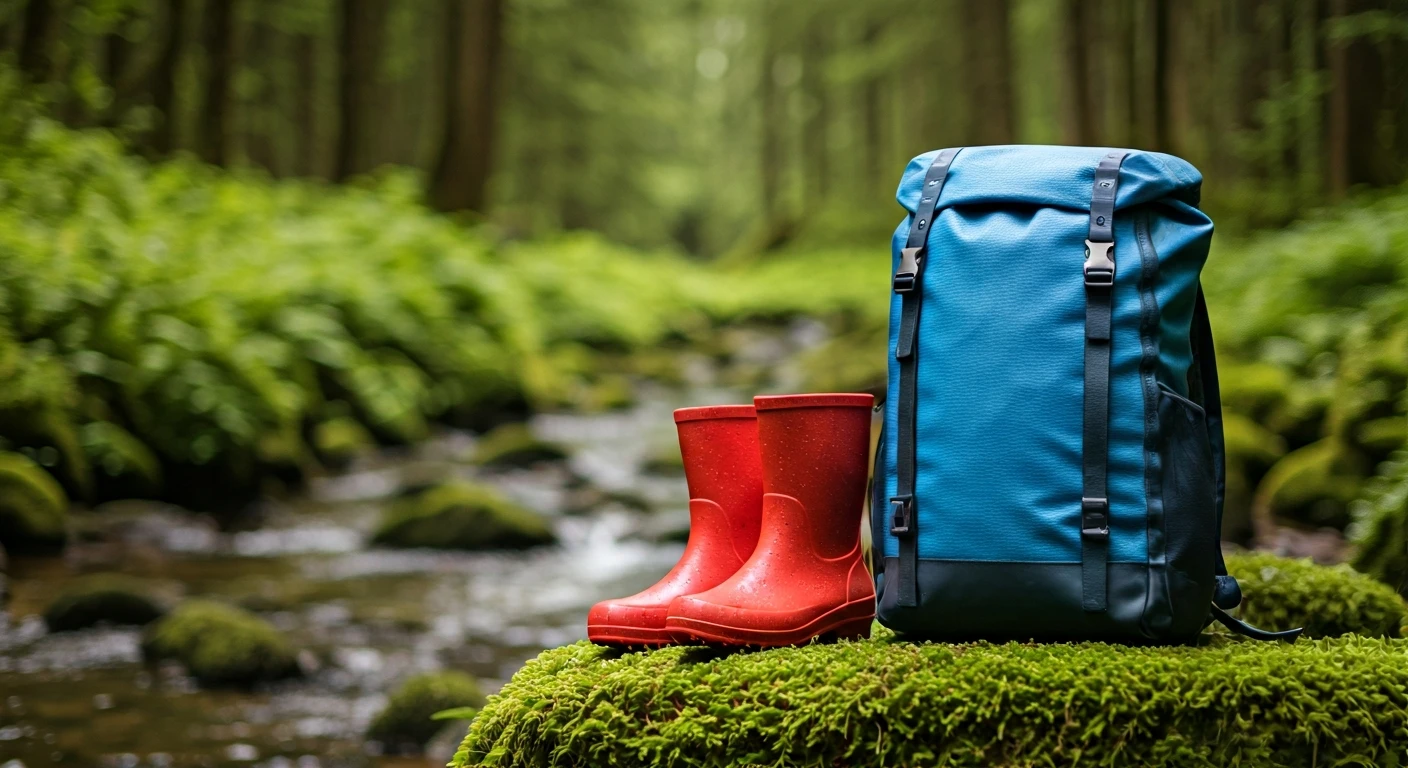
Rubber and synthetic materials are the stars of monsoon footwear. Rubber flip-flops, sandals, and clogs are excellent choices for casual wear. They are completely waterproof, easy to clean, and provide good ventilation, which is crucial in humid weather to prevent fungal infections. For a more covered option, look for shoes and boots made from EVA or other synthetic waterproof materials. These keep your feet completely dry and are highly durable. Many brands now offer stylish loafers and slip-ons made from these rain-friendly materials, so you don't have to sacrifice style for comfort.
Footwear to Keep Safe and Dry at Home
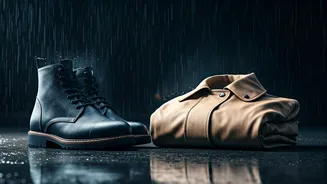
Monsoon is the enemy of certain types of footwear. Leather shoes are particularly vulnerable; water can cause the material to warp, crack, and develop mould. If you must wear them, ensure they are thoroughly polished and treated with a waterproofing spray beforehand. Suede is an absolute no-go, as water will stain it permanently. Canvas sneakers are also a poor choice because, like cotton clothing, they absorb water readily and take a long time to dry, creating an uncomfortable and potentially unhealthy environment for your feet.