





From a 'Good-to-Have' to a 'Must-Have'
Not long ago, a functional beverage was something you might pick up after a particularly gruelling workout or when feeling under the weather. Today, for a growing number of consumers, these drinks are as routine as a morning cup of tea. This significant
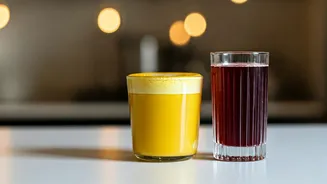
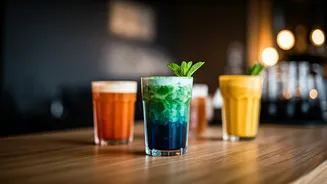
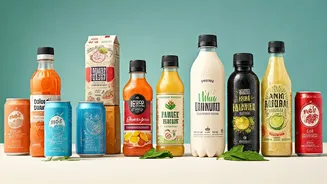
shift reflects a deeper change in our approach to health; it's no longer about occasional fixes but about daily, proactive self-care. The Indian functional beverage market is a testament to this, having reached USD 6.9 Billion in 2025 and projected to grow to USD 18.8 Billion by 2034. Consumers aren't just looking for refreshment anymore; they're seeking functional benefits like immunity support, enhanced energy, and better digestion directly from the bottle. This trend is driven by younger generations—Millennials and Gen Z—who prioritize targeted health benefits that fit seamlessly into their busy lives.
Why the Sudden Thirst for Wellness?
Several factors are fuelling this boom. The post-pandemic era has instilled a heightened awareness of preventive healthcare and immunity. Consumers are now more proactive, reading labels and seeking out products with clean, purposeful ingredients. Busy, modern lifestyles also play a huge role; people want convenient, on-the-go solutions to support their energy levels, manage stress, and maintain focus. Furthermore, the sober-curious movement has opened the door for functional beverages to act as sophisticated, health-conscious alternatives to alcohol in social settings. In India, this global trend is blended with a renewed interest in traditional and Ayurvedic wisdom. Consumers are gravitating towards familiar, trusted ingredients, creating a unique market where ancient herbs meet modern beverage technology.
Decoding the Elixirs: A Guide to Functional Ingredients
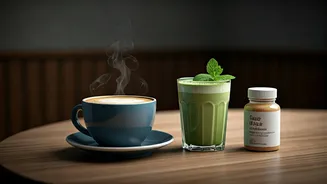
The world of wellness drinks can be confusing. Here’s a simple breakdown of the most popular categories and their star ingredients: * **For Gut Health:** Probiotics are the heroes here. These beneficial bacteria, found in fermented drinks like kombucha, kefir, and even some sodas, support a healthy digestive system. * **For Stress and Calm:** Adaptogens are natural substances that help the body cope with stress. Ingredients like Ashwagandha, Tulsi (Holy Basil), and Brahmi are staples in this category, known for their calming and balancing effects. * **For Energy and Focus:** Beyond caffeine, nootropics are compounds that may enhance cognitive function. Ingredients like L-Theanine (found in tea), Lion's Mane mushroom, and B-vitamins are used to boost mental clarity and provide sustained energy without the jitters. * **For Hydration and Recovery:** Electrolyte-infused drinks are designed to replenish minerals lost during exercise, but many now opt for low-sugar versions for daily hydration. Other popular ingredients include anti-inflammatory powerhouses like turmeric and ginger, and plant-based proteins for meal-in-a-bottle convenience.
A Reality Check: Are They Worth the Hype?
While functional beverages offer a convenient way to supplement your diet, experts advise mindful consumption. A wellness drink is not a magic bullet and cannot replace a balanced diet, regular exercise, and healthy lifestyle habits. Registered dietitians caution that many of these drinks are largely unregulated, and their health claims may not always be backed by robust scientific evidence. It's crucial for consumers to read labels carefully, paying attention to sugar content, as many seemingly healthy drinks can be loaded with sweeteners. The best approach is to view these beverages as a supplement to an already healthy routine, not a substitute for it. Plain water remains the best choice for hydration, with unsweetened coffee and tea as other healthy options.