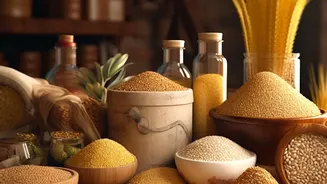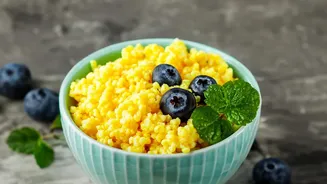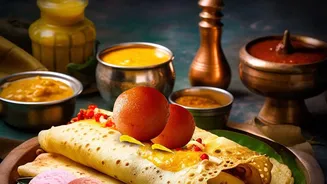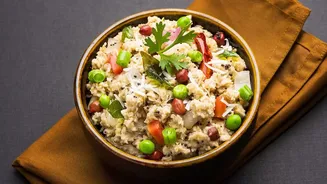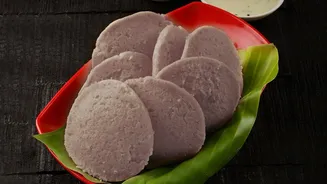



Wander through any supermarket today, and you'll see something old made new again. Ragi crackers, jowar puffs, and bajra energy bars now sit beside potato chips, a sign that India's ancient grains are staging a major comeback in a modern form.
A Nutritional Powerhouse Returns
For centuries,
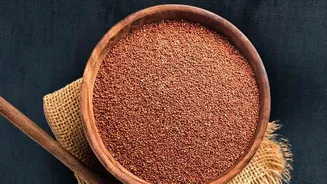
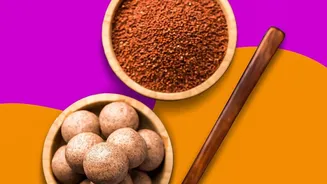
millets were a staple in Indian diets, but they were gradually sidelined by wheat and rice. Now, a growing awareness of their immense health benefits is bringing them back into the spotlight. Ragi, or finger millet, is a standout for its high calcium content, crucial for bone health. Bajra, or pearl millet, is a rich source of iron and protein, while jowar (sorghum) is prized for its high fibre content, which aids digestion and promotes a feeling of fullness. All three are naturally gluten-free and have a low glycemic index, meaning they release energy slowly without causing sharp spikes in blood sugar. This makes them an excellent choice for managing blood sugar levels and for sustained energy throughout the day.
Meeting Modern Consumer Demands
The resurgence of millets is perfectly timed with a major shift in consumer attitudes. Today's shoppers, especially in urban areas, are actively seeking out 'clean-label' foods that are free from refined sugar, palm oil, and artificial additives. There's a rising demand for healthier, nutrient-rich snacking options that don't compromise on taste. Millet-based products—from savoury namkeens and puffs to sweet cookies and granola bars—fit this need perfectly. Startups and established food companies are innovating with these grains, creating products that are convenient for fast-paced modern lifestyles. Brands are transforming traditional grains into contemporary formats like millet pops, sticks, and even breakfast cereals.
Good for You, Good for the Planet
Beyond personal health, millets are champions of environmental sustainability. Compared to water-intensive crops like rice and wheat, millets are climate-resilient. They are hardy grains that can thrive in arid conditions and poor soil with minimal inputs like water and pesticides. This makes them an economical and sustainable choice for farmers, especially small landholders. As consumers become more conscious of the environmental impact of their food choices, the low water footprint and resilience of millets make them an attractive and responsible option.
The Rise of Millet-Focused Startups
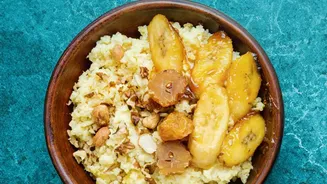
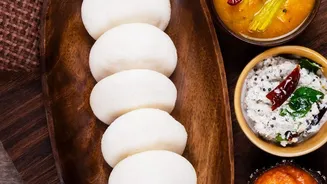
An entire ecosystem of food_tech startups has emerged to champion these ancient grains. Companies like Millwize, Slurrp Farm, and M for Millets are creating a wide array of innovative products, from millet dosas and noodles to chikkis and snack bites. These brands are focused on combining food science with heritage ingredients to create snacks that are both nutritious and appealing to a modern palate. By using natural sweeteners like jaggery and dates instead of refined sugar, they cater to a growing market of health_conscious consumers. This new wave of entrepreneurship is not only making millets more accessible and convenient but also driving creative new uses for these versatile grains.
A Major Push from the Government
The trend has received a significant boost from government initiatives. The Indian government has actively promoted millets, popularly rebranding them as 'Shree Anna' or the 'mother of all grains'. The declaration of 2023 as the International Year of Millets by the United Nations, a proposal spearheaded by India, created massive global awareness. Policies like the National Food Security Mission and the Production Linked Incentive (PLI) scheme for food processing have been established to boost millet production, procurement, and the development of value_added products. These efforts are designed to support farmers, encourage consumption, and integrate millets back into the mainstream food system.