

The Core Philosophy: Think Layers, Not Outfits
The secret to packing light for variable weather is to abandon the idea of packing distinct 'outfits' for every possible temperature. Instead, embrace the philosophy of a capsule wardrobe built on layering. A capsule wardrobe is a small collection of essential
items that can be mixed and matched to create multiple looks. The goal is to have pieces that work together in various combinations. Think of your clothing as a system. A lightweight t-shirt works on its own in the heat. The same t-shirt paired with a fleece or merino wool sweater is perfect for a cool evening. Add a waterproof, windproof outer shell, and you’re ready for rain and cold. This three-part system (base layer, mid-layer, outer layer) is far more versatile and space-efficient than packing a separate chunky sweater and a light jacket. Your base should be neutral colours—like black, navy, grey, or beige—which ensures everything matches effortlessly.
Fabric Is Everything: Choose Warmth Without Weight
Your 7kg limit will be won or lost based on your fabric choices. Bulky fabrics like traditional cotton and heavy wool are your enemy. Instead, prioritise modern, lightweight materials designed for performance and versatility. Merino wool is a top contender; it's lightweight, resists odours (meaning you can wear it multiple times without washing), and regulates temperature in both cool and warm conditions. Performance synthetics like polyester and nylon are excellent for active days as they are durable and dry incredibly quickly. For warmer parts of your trip, linen and Tencel are breathable and stylish. While cotton isn't entirely off-limits, opt for blends or lightweight cotton lawn instead of heavy denim or thick sweatshirts. The goal is to select pieces that offer maximum function for minimum weight and space.
The Essential Variable Weather Packing List
Here is a template for a week-long trip that fits within the 7kg limit, including the weight of the bag itself. The key is that almost every top can be layered with every bottom. Outerwear (Choose ONE): - A packable waterproof and windproof shell jacket. This is your shield against the elements and can be worn over all other layers. Mid-Layers (Choose TWO): - One merino wool or cashmere sweater. - One lightweight fleece jacket or vest. Tops (Choose FOUR): - Two short-sleeve t-shirts made of merino wool or a synthetic blend. - Two long-sleeve base layer tops. These can be worn alone or under your mid-layers. Bottoms (Choose TWO): - One pair of comfortable, quick-drying travel trousers. These can be dressed up for dinner or used for a light hike. - One pair of jeans or other sturdy trousers, which you will wear on the plane to save weight. Versatile Item (Choose ONE): - A simple, dark-coloured dress (for women) that can be worn casually or dressed up, or a collared, wrinkle-resistant shirt (for men). Underwear and Socks (5-7 days' worth): - Opt for quick-drying materials so you can wash them in a sink if needed.
Mastering the Art of the Pack
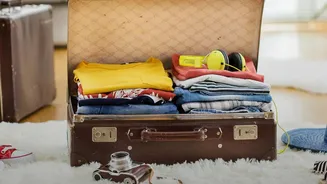
How you pack is just as important as what you pack. The long-debated question of rolling versus folding has a simple answer: use both. Rolling is generally more space-efficient for soft, casual items like t-shirts, shorts, and knitwear, reducing wrinkles in synthetic fabrics. Folding is better for more structured items that tend to crease, like blazers or dress shirts. To take your organisation to the next level, use packing cubes. These zippered fabric containers allow you to compartmentalise your clothing by type—tops in one, bottoms in another. This not only keeps your bag tidy but also compresses your clothes, squeezing out excess air to save precious space. For your bulkiest items, like a fleece or puffer jacket, a compression sack works wonders by vacuuming out all the air, shrinking the item down to a fraction of its size.
The Heavy Items: Footwear and What to Wear on the Plane
Shoes are often the heaviest and most awkward items in a suitcase. The rule is simple: limit yourself to two, or at most three, pairs. One pair should be comfortable, all-purpose walking shoes or sneakers. The second should be a pair of lightweight sandals, flats, or loafers that can be dressed up or down. If you need a third, like hiking boots, that brings us to the most important rule of all: wear your heaviest items on the plane. Your bulkiest jacket, your heaviest pair of trousers (likely your jeans), and your sturdiest shoes or boots should never go inside your carry-on. This strategy alone can save you one to two kilograms of precious luggage weight, making the 7kg limit much more achievable.