


The Monsoon’s Gift
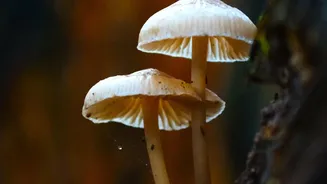
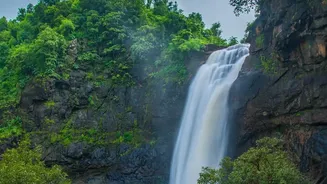
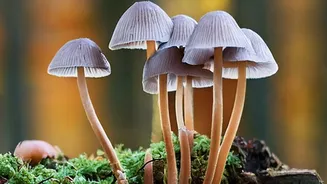
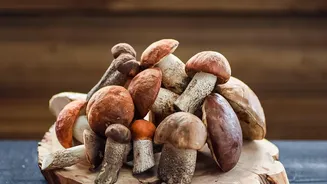
Across India, the monsoon season is synonymous with renewal, but for a growing community of foragers, chefs, and nature lovers, it signals the start of the wild mushroom harvest. From July to October, the combination of rain and humidity creates the perfect
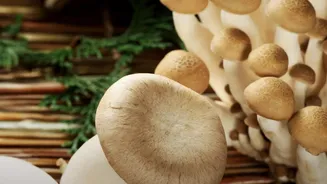
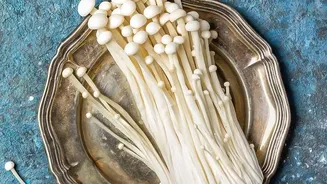
conditions for a staggering variety of fungi to sprout. These are not the button mushrooms of supermarket aisles; these are wild, ephemeral delicacies that appear for just a few weeks a year, deeply entwined with the health of the forests they inhabit. This seasonal rhythm has been a part of rural and tribal life for centuries, and now, it's being rediscovered by a wider audience eager for a deeper connection with their food.
From Himalayan Gold to Goan Delicacies
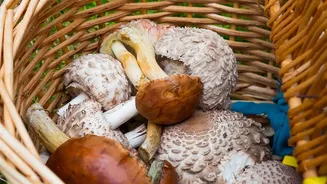
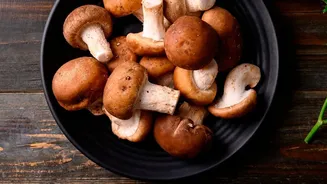
The diversity of India's landscape is reflected in its fungal treasures. In the Himalayan states of Jammu and Kashmir and Himachal Pradesh, villagers have long foraged for the prized Gucchi, or morel mushroom. With its unique, honeycomb texture and earthy flavour, the Gucchi is one of the world's most expensive mushrooms, often called “mountain gold”. Further south, the monsoon awakens the forests of the Western Ghats. In Goa and parts of Karnataka, the arrival of 'olmi' or termite-hill mushrooms is a celebrated culinary event. These mushrooms, scientifically known as Termitomyces, grow in a symbiotic relationship with termite mounds and are impossible to cultivate, making them a true wild delicacy. Similarly, tribal communities in Jharkhand and Odisha forage for varieties like Rugda, known as 'vegetarian mutton', and the sacred Bihiden mushroom.
Reviving Lost Knowledge
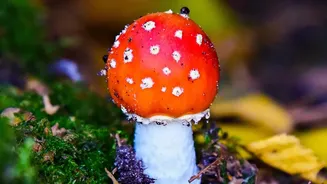
The renewed interest in mushroom foraging is more than just a culinary trend; it's a vital effort to preserve traditional knowledge. For generations, indigenous communities have passed down the expertise needed to distinguish edible fungi from their poisonous lookalikes, using subtle clues of appearance, smell, and location. This knowledge, often tied to specific local names and ecosystems, is a crucial part of India's intangible heritage. However, with urbanisation and changing lifestyles, these traditions have been at risk. Now, through foraging walks, workshops, and community-led initiatives, this ancient wisdom is finding new life. Organisations and individuals are documenting these practices, creating a bridge between elders who hold the knowledge and a younger generation eager to learn.
A Taste of the Wild
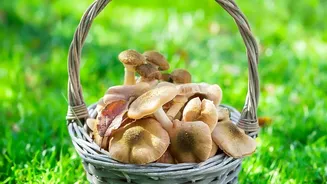
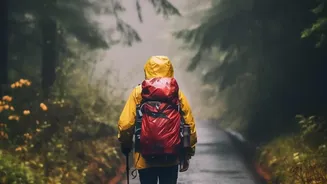
The appeal of mushroom hunting goes beyond the plate. For many, it’s a form of active meditation—a slow, observant walk through the forest that heightens the senses. Foraging walks are now being organised in regions like the Parvati Valley and even in the city parks of Delhi, teaching participants about forest ecology and the crucial role fungi play. These experiences culminate in the shared joy of cooking and eating the harvest, often in simple, traditional ways that highlight the mushroom's natural flavour. In Goa, olmi might be cooked in a rich, coconut-based curry, while in Jharkhand, Rugda is savoured with rice. This movement is part of a broader appreciation for hyperlocal cuisines and ingredients that tell a story of a place and its people.
The Forager's Responsibility
As foraging gains popularity, there's a growing awareness of the need for sustainability. Over-harvesting, particularly of species that cannot be cultivated like olmi and Gucchi, poses a real threat to both the mushrooms and the ecosystems they support. The Gucchi harvest, for instance, has been impacted by climate change and practices where entire patches are cleared, leaving no fungi to regenerate for the next season. Similarly, Goan environmentalists have raised concerns about the over-harvesting of termite-hill mushrooms, which play a critical role in forest decomposition. Responsible foraging emphasizes taking only what you need, ensuring the mushroom population can replenish, and understanding that some of the most fascinating fungi are best left to be admired rather than eaten.