


The Great Unlearning of Instant Coffee
For generations, the soundtrack to an Indian morning was the clink of a spoon against a ceramic mug, stirring a teaspoon of instant coffee granules into hot water and milk. It was fast, familiar, and deeply embedded in the national routine. Brands like
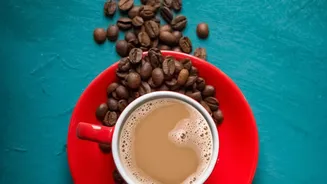
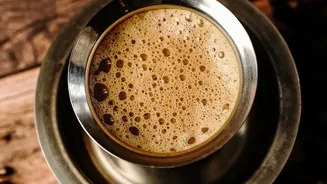
Bru and Nescafé dominated household shelves, making coffee an accessible, everyday habit. However, this long-standing dominance is now facing a significant challenge. A cultural shift, driven primarily by Millennials and Gen Z, is underway. These younger consumers are moving away from mass-produced convenience and embracing a more considered, artisanal approach to their daily cup. This isn't just about taste; it's a lifestyle statement and a conscious choice to seek quality and authenticity over speed.
What is Single-Origin Coffee, Anyway?
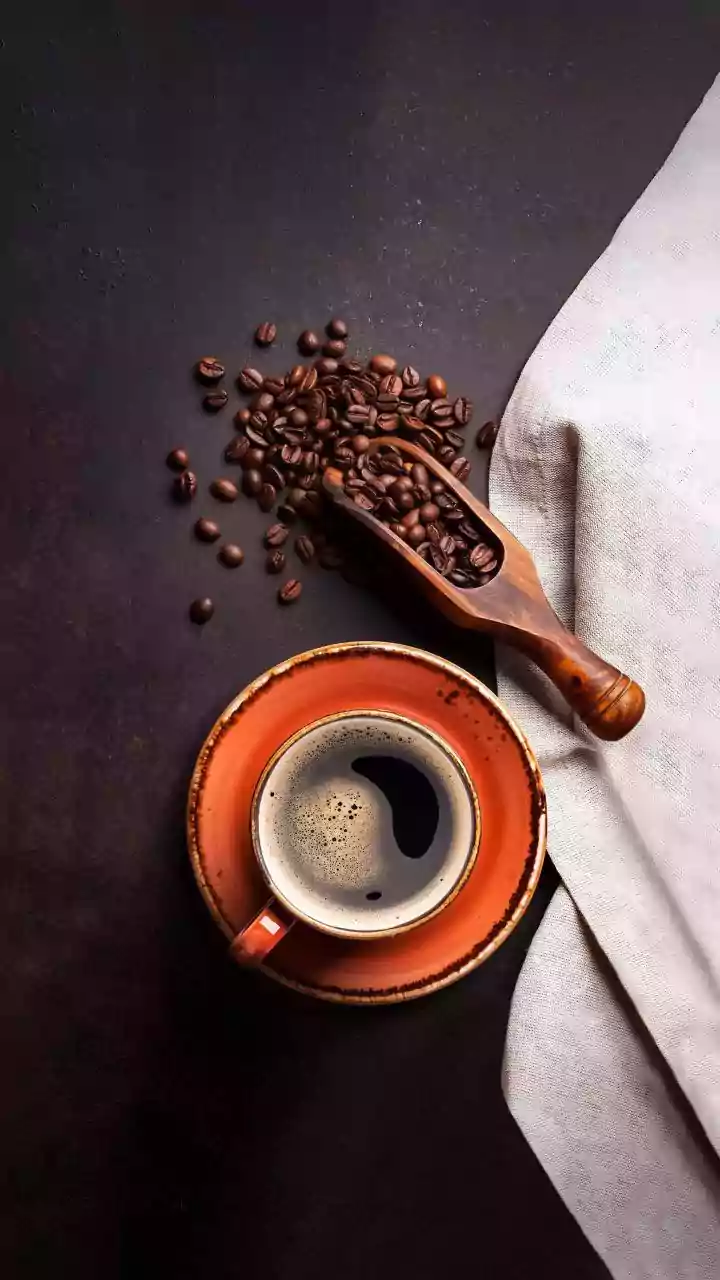
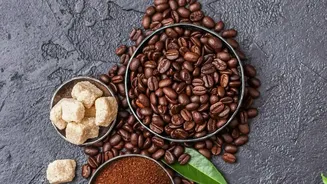
As this trend grows, terms like 'single-origin' and 'estate roast' have entered the mainstream vocabulary. But what do they mean? Single-origin coffee refers to beans sourced from a single, specific geographical location—be it a country, a region, or a cooperative of small farms. A 'single-estate' coffee is even more specific, tracing the beans back to one individual farm or plantation. This is the opposite philosophy of a blend, which combines beans from various locations to create a consistent, balanced flavour year-round. Single-origin coffees, by contrast, celebrate the unique character of their 'terroir'—the specific soil, climate, and altitude that give the beans a distinctive and often complex flavour profile, which can vary from season to season. It’s a way of tasting a place in a cup.
A New Generation's Brew
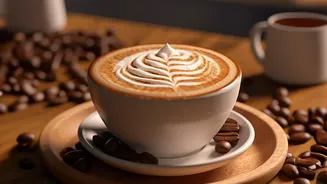
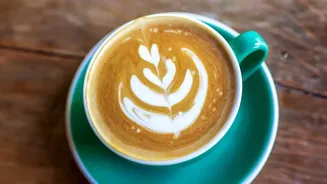
So why is this resonating so deeply with India's youth? The reasons are multifaceted. Firstly, it’s about the experience. For a generation that values authenticity and storytelling, knowing the origin of their coffee—from the estate in Chikmagalur to the farmer who grew it—adds a layer of meaning that instant coffee lacks. This demographic, which makes up a huge portion of India's specialty coffee consumers, sees coffee as a form of self-expression. Secondly, there's a growing appreciation for quality and ethics. Younger consumers are more conscious of sustainable farming and fair-trade practices, and many artisanal Indian brands are building their identity around transparency and direct relationships with coffee estates. Finally, social media has played a huge role, turning a beautifully crafted pour-over or latte into shareable content that signifies taste and cultural awareness.
From Trendy Cafes to Kitchen Counters
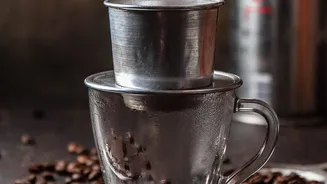
This coffee renaissance began in the rapidly expanding café culture of India's urban centres. Cities like Bengaluru, Mumbai, and Delhi saw an explosion of independent coffee shops and roasters that educated consumers' palates. These cafes became 'third places'—hubs for work, socializing, and creativity for young people. Now, that culture is migrating into Indian homes. Fuelled by the pandemic and flexible work schedules, a significant home-brewing movement has taken hold. Consumers are investing in equipment like French presses, AeroPresses, and pour-over kits to recreate the café experience themselves. This trend is supported by online tutorials and direct-to-consumer subscription services from Indian roasters, making high-quality beans more accessible than ever before.
Celebrating India's Coffee Terroir
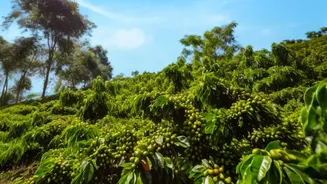
This shift also represents a moment of national pride. For years, India's best coffee was primarily exported. Now, a burgeoning domestic market is celebrating the country's own coffee-growing heritage. Single-origin roasts are highlighting the unique flavour profiles from renowned Indian coffee regions like the Baba Budan Giri hills, Coorg, and Chikmagalur in Karnataka, as well as emerging areas like the Araku Valley in Andhra Pradesh and estates in Nagaland. These coffees offer a wide spectrum of tasting notes—from the floral, tea-like notes of a washed Arabica from a high-altitude estate to the fruity, wine-like flavours of an anaerobically fermented bean. By putting Indian estates front and centre, roasters are helping consumers discover and appreciate the rich biodiversity within their own country.