




It's Not Just About Dieting Anymore
The conversation around healthy snacking has fundamentally changed. The old, restrictive language of calorie-counting and 'guilt-free' foods is being replaced by a more joyful, holistic approach focused on wellness. Today’s savvy snacker isn't just looking
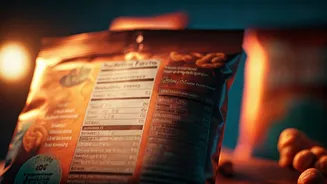
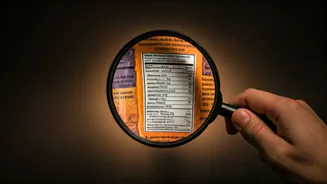
for low-calorie options; they're looking for functional benefits. The new priorities are about what's in the snack, not just what's left out. According to a recent Farmley report for 2026, a massive 73% of Indian consumers now read ingredient labels before buying, prioritising transparency. This shift means people are actively seeking clean labels with recognisable ingredients and natural sweeteners like dates and jaggery over refined sugar, a preference for 61% of consumers. It's a move towards mindful eating, where a snack is seen as an opportunity to fuel the body, boost energy, and improve well-being, rather than a cheat meal to be regretted.
The Unstoppable Rise of Protein
If there's one ingredient dominating the healthy snack chat, it's protein. Once confined to the shaker bottles of gym enthusiasts, protein has gone completely mainstream. An incredible 86% of Indian consumers now consider protein an important factor when choosing a snack. This demand has fueled an explosion of innovation. The market is now flooded with options beyond traditional protein bars, including protein-fortified yogurts, milkshakes, and even protein wafers. This 'protein boom' is clearly visible on quick commerce platforms, which have seen demand surge. Brands are catering to this by launching everything from high-protein paneer cubes and roasted chana to convenient, ready-to-eat formats that fit into busy lifestyles, transforming the humble snack into a powerful tool for satiety and muscle support.
Plant-Powered and Proudly Indian
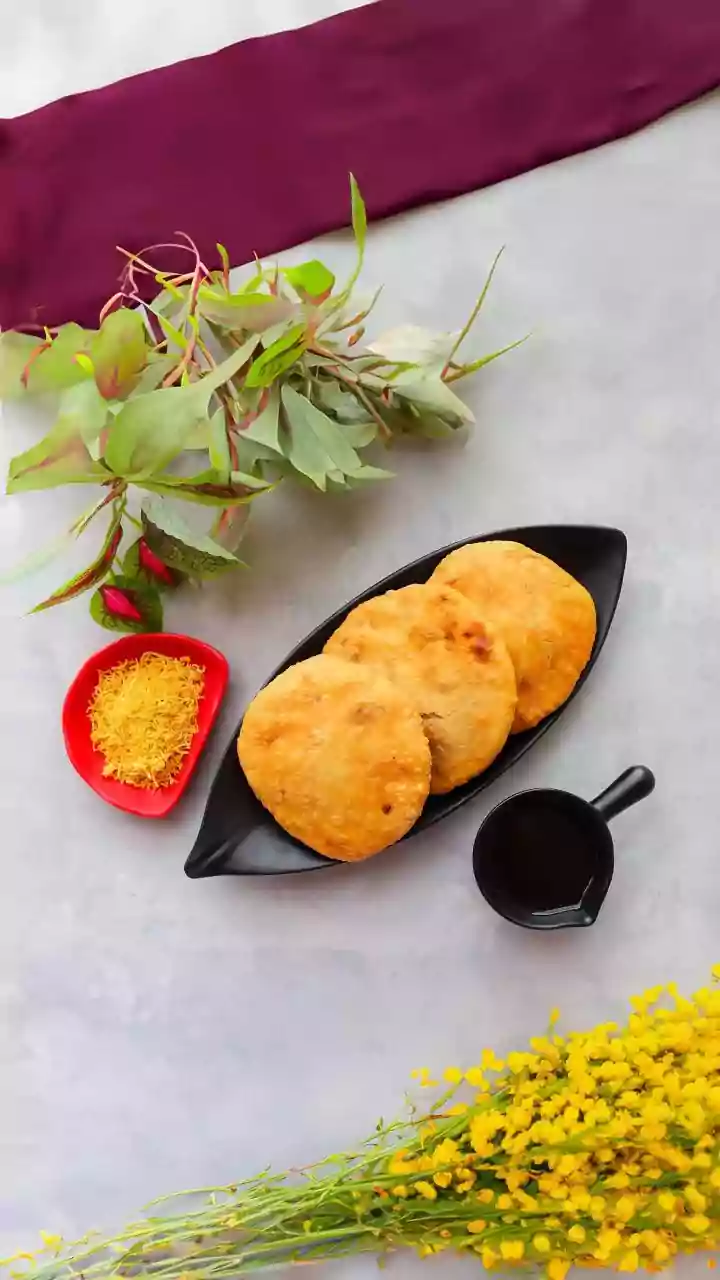
The global trend of plant-based eating has found a unique and powerful expression in India. This isn’t just about adopting Western vegan trends; it’s also about rediscovering and rebranding India's rich heritage of plant-forward foods. Millets like ragi, jowar, and bajra are experiencing a major revival, moving from forgotten grains to the star ingredients in chips, cookies, and breakfast cereals. Similarly, makhana (fox nuts) has become a sensation, loved by everyone from Gen Z to their parents for being a light, crunchy, and nutrient-dense option. Food brands are tapping into this by launching baked, not fried, versions of traditional snacks like bhujia and mathri, often made with millet flour. This trend celebrates local ingredients and traditional wisdom, repackaged for the modern, health-conscious consumer.
The Snack as Social Currency
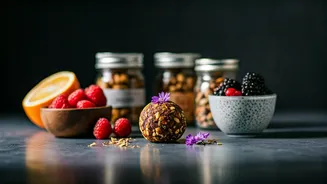
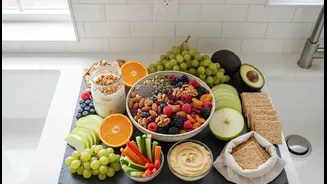
The headline says it all: snacking is now a social phenomenon. What makes a snack enter the 'group chat'? A combination of taste, health credentials, and photogenic appeal. Social media platforms are filled with viral snack trends, from homemade date-and-pistachio barks to frozen banana 'Snickers' and colourful yogurt bites. These aren't just snacks; they're content. The rise of quick commerce has also played a huge role, making it possible to satisfy a craving for a trendy snack in minutes. Younger consumers, in particular, are driving this trend, with 43% of Gen Z and millennials ordering snacks weekly via these apps. This digital ecosystem—where snacks are discovered on Instagram, discussed in WhatsApp groups, and delivered by Blinkit—has transformed snacking from a personal habit into a shared cultural experience.