

How Yoga Unlocks Flexibility
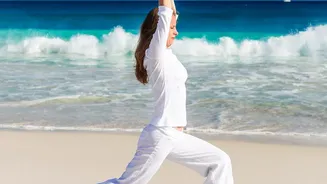
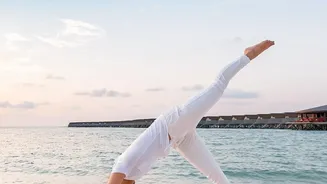
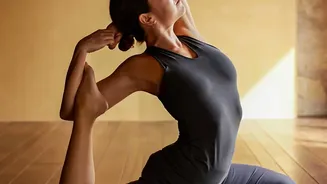
Many people think flexibility is just about stretching muscles, but yoga works on a deeper level. The practice combines different types of stretching with strength and breathwork. When you hold a yoga pose (a static stretch), you are giving your muscle fibers
and the surrounding connective tissue, known as fascia, time to lengthen. Over time, consistent practice encourages 'plasticity', which is the ability of your muscles to maintain this new, greater length. Furthermore, yoga isn't just a physical workout; it's a conversation with your nervous system. Deep, controlled breathing, or pranayama, signals your brain to relax the body's stress response. This calming effect reduces overall muscle tension, allowing your body to release into stretches more safely and effectively. Dynamic movements in yoga sequences also warm up the body and stimulate the production of synovial fluid, which lubricates your joints for smoother, easier movement.
Cat-Cow Stretch (Marjaryasana-Bitilasana)
This gentle, flowing sequence is one of the best ways to warm up the spine and release tension in the back, neck, and shoulders. It's a foundational movement in many yoga classes for good reason. To begin, come to a tabletop position on your hands and knees, with your wrists aligned under your shoulders and knees under your hips. As you inhale, drop your belly towards the mat, lift your chest and tailbone, and look forward into Cow Pose. As you exhale, round your spine toward the ceiling, tuck your chin to your chest, and press the mat away in Cat Pose. Continue flowing between these two poses, letting your breath guide the movement. This simple sequence improves spinal mobility and is excellent for relieving stiffness from prolonged sitting.
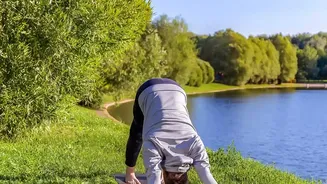
Downward-Facing Dog (Adho Mukha Svanasana)
Perhaps one of the most recognized yoga poses, Downward-Facing Dog is a full-body stretch that energizes and rejuvenates. It builds strength in the arms and shoulders while deeply stretching the hamstrings, calves, and spine. From your hands and knees, tuck your toes and lift your hips up and back, forming an inverted 'V' shape with your body. Spread your fingers wide and press firmly into your hands. Keep a slight bend in your knees initially to focus on lengthening your spine. Let your head hang freely between your upper arms. Don't worry if your heels don't touch the floor; with consistent practice, your flexibility will improve.
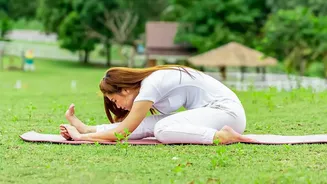
Seated Forward Bend (Paschimottanasana)
This pose provides an intense stretch for the entire back side of the body, from your heels to the crown of your head. It specifically targets the hamstrings and can help relieve tension in the lower back. Sit on the floor with your legs extended straight out in front of you. You can sit on a folded blanket to help tilt your pelvis forward. Inhale to lengthen your spine, and as you exhale, begin to hinge forward from your hips, not your waist. The goal is to keep your back long, not to touch your toes. Rest your hands on your shins, ankles, or feet—wherever they comfortably reach. With each exhale, allow your body to soften and release deeper into the fold.
Bridge Pose (Setu Bandhasana)
Bridge Pose is a gentle backbend that helps to open up the chest and shoulders, which often become tight from slouching. It also strengthens the back, glutes, and hamstrings. Lie on your back with your knees bent and feet flat on the floor, hip-width apart. You should be able to just skim your heels with your fingertips. Press into your feet and lift your hips off the floor. Keep your knees aligned over your ankles and avoid letting them splay outward. You can keep your arms by your sides or interlace your fingers on the mat beneath you, tucking your shoulders under to create more lift in your chest. This pose is a great counter-stretch to all the forward bending we do in daily life.
Supine Spinal Twist (Supta Matsyendrasana)
A restorative and relaxing pose, the Supine Spinal Twist is a perfect way to end a practice. It improves spinal mobility, stretches the back muscles and glutes, and can aid in relaxation. Lie on your back and draw both knees into your chest. Extend your left leg long onto the mat and keep your right knee hugged in. Extend your right arm out to the side at shoulder height. As you exhale, guide your right knee across your body to the left side. Turn your gaze toward your right fingertips if it feels comfortable for your neck. Focus on keeping both shoulders grounded as you breathe into the stretch. Hold for several breaths before repeating on the other side.