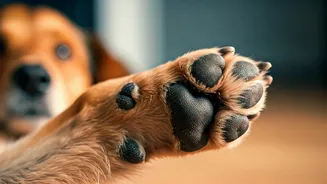





More Than Just a Clean Floor
We often think of paw cleaning as a way to keep our homes tidy, but its most significant benefits are for your pet. Their paws are in constant contact with the world—pavements, grass, dirt, and puddles. These surfaces can harbour bacteria, fungi, allergens,
and chemicals from pesticides or cleaning products. When your pet licks their paws, they can ingest these harmful substances, leading to stomach upset or worse. Furthermore, trapped moisture and dirt between their paw pads can create a breeding ground for yeast and bacterial infections, causing itching, inflammation, and discomfort. A quick clean-up after every walk removes these potential threats, preventing skin irritation and infections before they start. It’s a simple preventative measure that goes a long way in safeguarding their health.
Your Simple Paw-Care Kit
You don’t need an elaborate setup to maintain good paw hygiene. A basic, effective kit is easy to assemble and keep by your door. First, invest in some good quality, pet-safe wipes. These are perfect for a quick clean after routine walks. Look for wipes that are free from alcohol and harsh chemicals. For muddier adventures, a small water sprayer or a silicone paw washer can be incredibly useful. These devices use a small amount of water to gently scrub away dirt. Finally, always have a soft, absorbent towel dedicated to your pet. Microfiber towels are excellent as they dry quickly and are gentle on the skin. Having these tools ready makes the process seamless, turning it into a quick, two-minute ritual rather than a dreaded chore.
The Daily Paw-Cleaning Routine
Consistency is key. Making paw cleaning a standard part of your post-walk routine helps your pet get used to it. For a standard walk, a thorough wipe-down is usually sufficient. Gently hold your pet’s paw and wipe the bottom of the pads and then carefully clean between each toe, as this is where dirt and moisture love to hide. After a particularly muddy walk, especially during monsoon season, a proper wash may be needed. Use your paw washer or simply dip their paws in a shallow bowl of lukewarm water (no soap needed unless recommended by a vet). The most critical step is drying. Pat the paws completely dry with your dedicated towel, paying extra attention to the areas between the pads. Lingering dampness can lead to fungal infections, defeating the purpose of the wash.
The Paw Check-Up Opportunity
Think of paw cleaning time as a mini health check. This daily hands-on interaction allows you to spot potential problems early. As you clean, run your fingers gently over the pads and between the toes. Look and feel for anything unusual. Are there any cuts, scrapes, or punctures? In India, thorns or small pieces of glass on roads can be a common issue. Check for ticks, which often hide in these warm, hard-to-reach spots. Notice any swelling, redness, or signs of tenderness that might indicate an infection, an embedded object, or a sprain. Are the paw pads looking dry or cracked? This regular inspection helps you catch minor issues before they become painful, expensive problems that require a visit to the vet.
Adapting to Indian Seasons
Pet care in India requires adapting to the distinct seasons. During the scorching summer months, pavements and roads can become incredibly hot, leading to painful blisters and burns on your pet's paw pads. While cleaning won't prevent burns, checking their paws after a walk helps you spot any redness or blistering immediately. Consider using a soothing paw balm at night to keep pads moisturised. Conversely, the monsoon brings its own challenges with constant dampness and mud. The risk of fungal and bacterial infections soars during this time. Being extra diligent about washing and, most importantly, thoroughly drying your pet’s paws after every single outing is non-negotiable to prevent painful and persistent infections that thrive in damp conditions.