





A Conscious Celebration
This year, the festive spirit is intertwined with a deeper sense of community and mindfulness. The trend is moving away from mass-produced goods and towards choices that celebrate regional identity and support local economies. This shift is driven by
a growing desire for authenticity and sustainability, as people increasingly seek to reconnect with their cultural roots. Instead of generic decorations and far-flung holidays, celebrants are finding joy in what’s close to home. The movement champions small businesses, skilled artisans, and the rich tapestry of local heritage that makes India’s festivals unique. It’s a celebration that feels more personal, meaningful, and connected to the community.
The Hyperlocal Navratri Thali
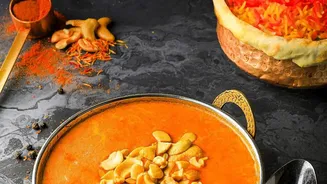
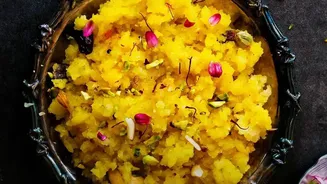
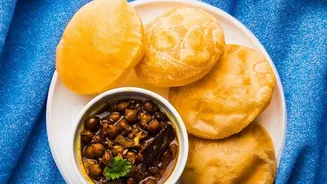
Food, always central to Navratri, is seeing a hyperlocal revolution. While the sattvic diet during fasting remains, there's a renewed emphasis on regional ingredients and traditional recipes. Kitchens are reviving forgotten grains and local vegetables, with special Navratri thalis showcasing a state's unique culinary identity. In Maharashtra, sabudana khichdi remains a staple, while in Rajasthan, kuttu ki puri is paired with local curries. Chefs and home cooks are embracing this trend, reinterpreting fasting foods with a modern twist while honouring traditional ingredients. Think kuttu tacos, sabudana waffles, and samak sushi, all made with permissible ingredients. This culinary movement isn’t just about novelty; it’s about celebrating the diversity of India’s food heritage and bringing regional flavours to the forefront of the festival.
Decor That Tells a Story
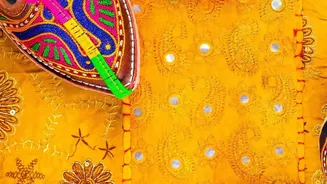
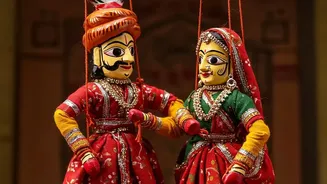
Festive decor is undergoing an eco-conscious transformation. Plastic and synthetic decorations are being replaced by handmade, biodegradable alternatives that support local artisans. Homes are being adorned with clay diyas, hand-painted pots, and torans crafted from upcycled fabrics like old sarees or dupattas. Floral rangolis and fresh flower garlands are adding natural fragrance and beauty, with specific flowers chosen for each day of the festival. There is a strong movement to collaborate with and purchase from local craftspeople, turning decoration into an act of cultural preservation. This approach not only reduces waste but also fills homes with items that have a story, connecting the celebration to India's rich craft traditions.
Travel with a Local Flavour
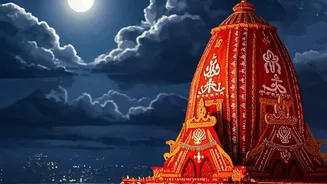
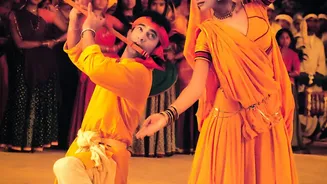
The Navratri travel trend is shifting from elaborate international trips to meaningful short-haul journeys. Families are exploring destinations within their own states or neighbouring regions, seeking authentic festive experiences. Instead of crowded tourist spots, people are opting for spiritual getaways to places like Varanasi for its serene Ramlila performances or homestays in Kullu to witness the unique Dussehra celebrations. These trips focus on cultural immersion, whether it’s participating in a traditional Garba in a small Gujarat town, viewing Golu displays in Tamil Nadu, or witnessing the royal Dasara procession in Mysuru. This trend supports local tourism and allows for a deeper, more personal connection to the diverse ways Navratri is celebrated across the country.