


The Rise of a Nutrient-Rich Indulgence
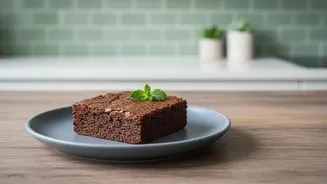
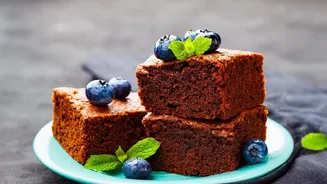
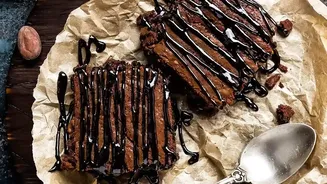
Imagine a chocolate brownie that’s both deeply satisfying and genuinely nutritious. This isn’t a far-fetched dream but a delicious reality thanks to a growing culinary trend. Chefs are turning to finger millet, the humble grain known as ragi, to reinvent
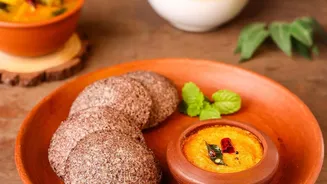
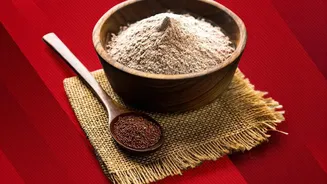
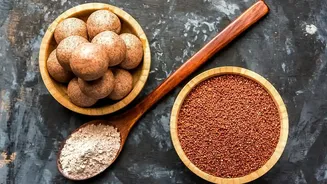
the classic dessert. For generations, ragi has been a staple in Indian households, celebrated for its robust nutritional profile. It's a powerhouse of calcium, iron, and dietary fibre. Compared to refined wheat flour (maida), which offers little nutritional value, ragi is naturally gluten-free and has a lower glycemic index, making it a smarter choice for managing blood sugar levels. By incorporating this ancient superfood, bakers are transforming the brownie from a guilty pleasure into a more wholesome treat, without compromising on its core identity as a rich, comforting dessert.
A Perfect Pairing of Flavours
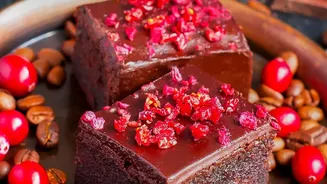
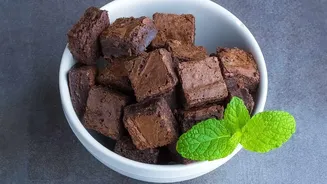
The success of the ragi brownie lies in an unexpectedly perfect flavour match. Ragi has a distinct earthy, nutty taste that beautifully complements the deep, rich notes of dark chocolate. Some describe the combination as a match made in heaven, where the millet’s wholesome character balances the sweetness and intensity of cocoa. While ragi on its own can sometimes have a slightly bitter aftertaste, the strength of chocolate and sweeteners like jaggery or dates powder effectively masks it, creating a complex and satisfying flavour profile. The result is a brownie that is not only chocolaty but also has a subtle, rustic depth that you won't find in its flour-based counterpart. This fusion creates a dessert that feels both familiar and refreshingly new.
Mastering the Unique Texture
Baking with ragi flour presents a unique but rewarding challenge. Since it's gluten-free, it doesn't behave like traditional wheat flour. The absence of gluten means ragi naturally creates a denser, fudgier texture—a quality that happens to be highly desirable in a brownie. Chefs and bakers have found that ragi flour’s ability to absorb moisture results in an incredibly moist crumb. While some recipes use only ragi flour for a full-bodied, gluten-free brownie, others blend it with whole wheat flour to achieve a slightly lighter, though still robust, structure. The key is achieving the right balance of wet and dry ingredients to ensure the final product is decadent and soft, not dry or gritty. Many recipes call for sieving the flour and using ingredients like yogurt or extra butter to ensure a smooth, luxurious finish.
A Movement Towards Mindful Eating
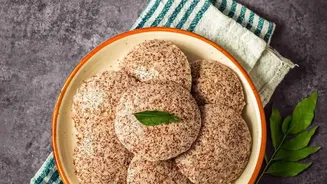
The ragi brownie isn't just a novelty; it represents a larger shift in India's food culture. There is a growing movement towards rediscovering and celebrating indigenous ingredients. Consumers are increasingly health-conscious and looking for ways to enjoy their favourite foods without compromising their well-being. This trend sees ancient grains, once considered rustic or old-fashioned, being embraced by modern culinary arts. Innovative chefs are at the forefront, finding creative ways to incorporate millets into everything from cakes and cookies to gourmet meals. By turning ragi into a key ingredient for a globally loved dessert like the brownie, they are making traditional foods relevant and exciting for a new generation. It’s a celebration of local agriculture, sustainable eating, and the idea that healthy food can also be incredibly delicious.