



A Symphony for the Senses
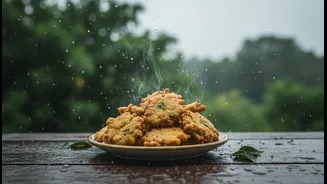
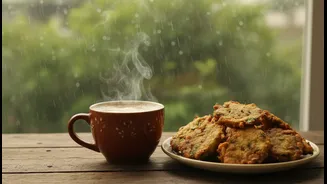
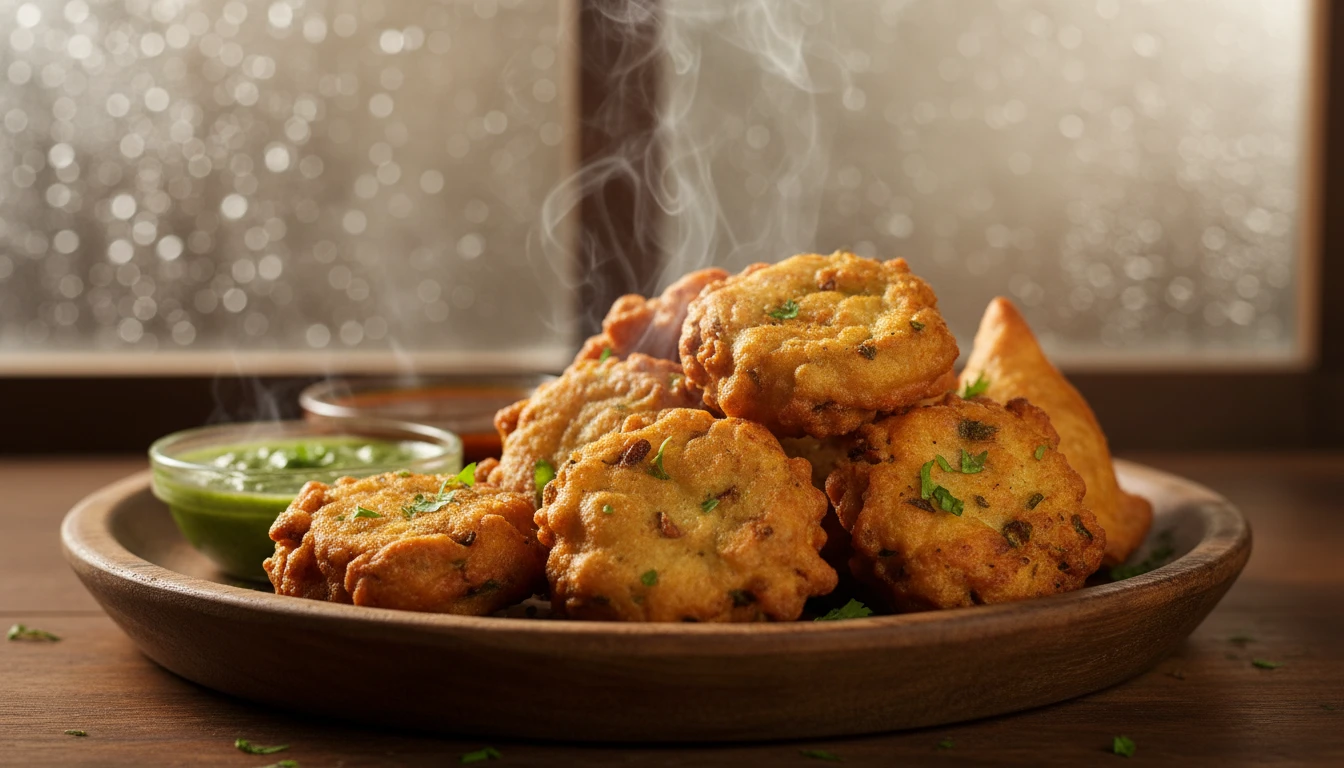
The connection between rain and pakoras is, first and foremost, a sensory one. The cool, damp air of the monsoon provides the perfect backdrop for a plate of something piping hot. The sizzling sound of batter hitting hot oil is a comforting soundtrack
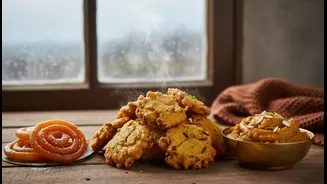
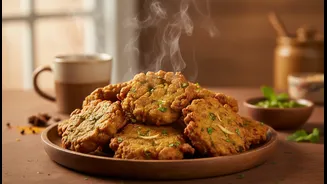
to the pitter-patter of rain outside. Then comes the aroma—a mix of earthy besan (gram flour) and fragrant spices that fills the home. The real magic, however, lies in the contrast. The crispy, crunchy exterior of the pakora gives way to a soft, flavourful interior, a textural delight that feels deeply satisfying when the world outside is wet and gloomy. This experience of warmth and crunch directly counters the chill and dampness, making it an instinctive and deeply pleasant choice.
The Science of Comfort
There's also a psychological and biological component to this seasonal craving. Grey, overcast skies mean less sunlight, which can lead to a dip in serotonin, the neurotransmitter associated with happiness and well-being. Carbohydrate-rich foods, like pakoras, can help boost serotonin levels, providing a natural mood lift. The combination of fat, salt, and a crispy texture also stimulates the release of dopamine, the brain's reward chemical, making the act of eating pakoras a genuinely pleasurable experience. Furthermore, as the temperature drops during the rains, our bodies naturally crave calorie-dense foods to generate warmth through a process called thermogenesis. A hot, fried snack is a quick and effective way to answer this biological call for warmth and energy.
A Tradition of Togetherness
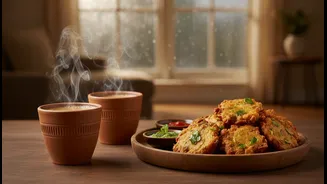
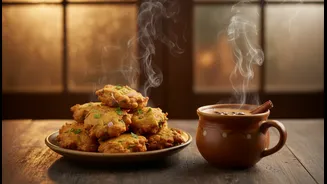
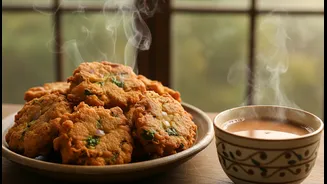
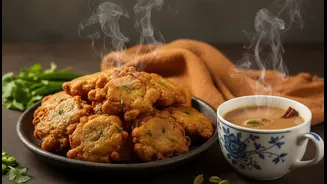
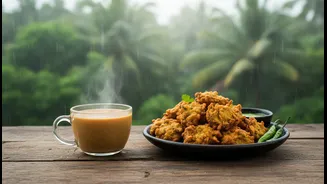
Beyond the sensory and scientific, the love for pakoras during the monsoon is deeply cultural. They are rarely a solitary snack. The arrival of rain is often a spontaneous signal for families and friends to gather. Pakoras are relatively quick and easy to make with staple ingredients like gram flour, onions, potatoes, and spices, making them the ideal snack to whip up for impromptu get-togethers. The act of preparing and sharing a plate of freshly fried pakoras, often accompanied by a steaming cup of masala chai, becomes a cherished ritual. This tradition is steeped in nostalgia, evoking memories of childhood, school holidays, and cozy afternoons spent with loved ones, protected from the rain outside. It's this social connection that transforms the snack from mere food into a shared cultural experience.
A Snack for Every Region
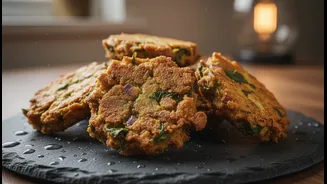
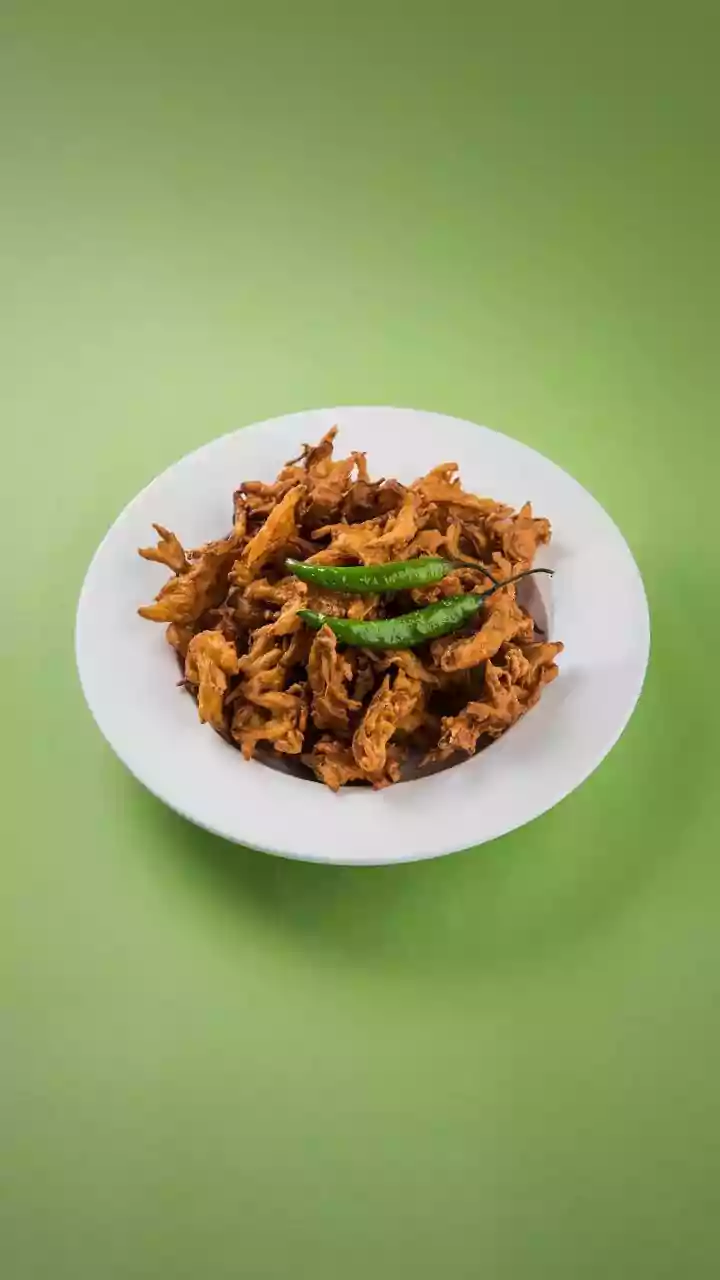
The humble pakora is also a testament to India's incredible culinary diversity. While the onion (kanda bhaji) and potato pakoras are staples in the north and west, nearly every region has its own beloved version. In Bengal, you might find 'beguni', made from thinly sliced eggplant, while the south has its own variations that often include curry leaves. Gujarat has 'methi na gota' (fenugreek fritters), and Maharashtrian 'kekda bhaji' is known for its spindly, extra-crispy shape. The variety is endless, from paneer and cauliflower to spinach (palak) and even bread pakoras. Some regions even make pakoras from flowers, like the 'palash ke phool ke pakode' in Jharkhand, or from corn ('bhutte ke pakode') in Madhya Pradesh. This adaptability ensures that no matter where you are in India, a regionally specific, comforting pakora is never far away when the clouds gather.