
Mathura: The Undisputed Peda Capital
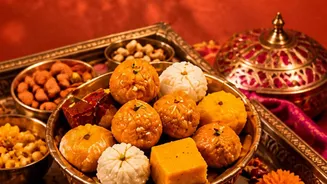
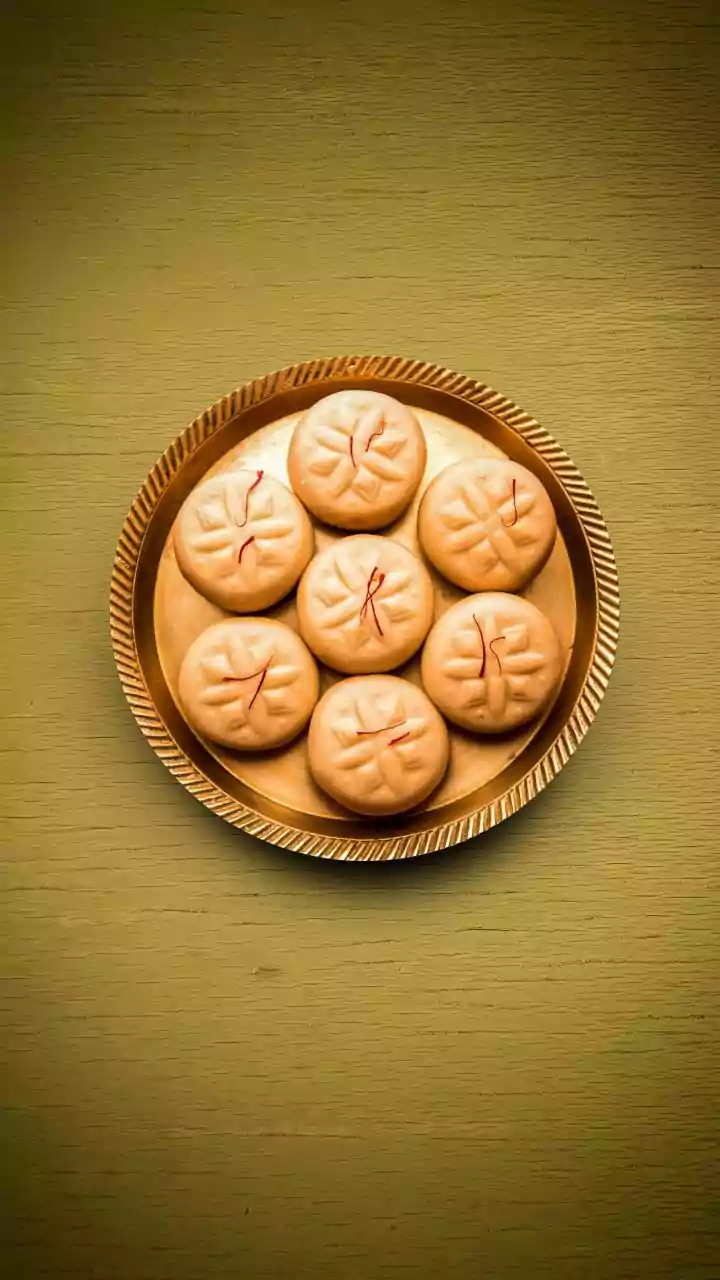
Mathura’s reputation as the ‘Peda Capital’ is deeply intertwined with its identity as the birthplace of Lord Krishna. Legend and local folklore suggest that peda has been a cherished offering, or 'prasad', in the region for centuries. The sweet’s connection
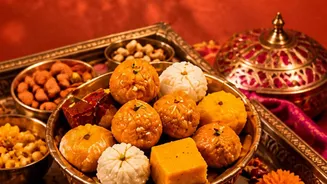
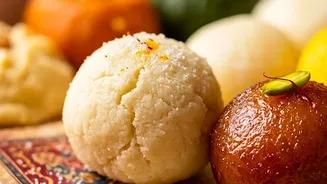
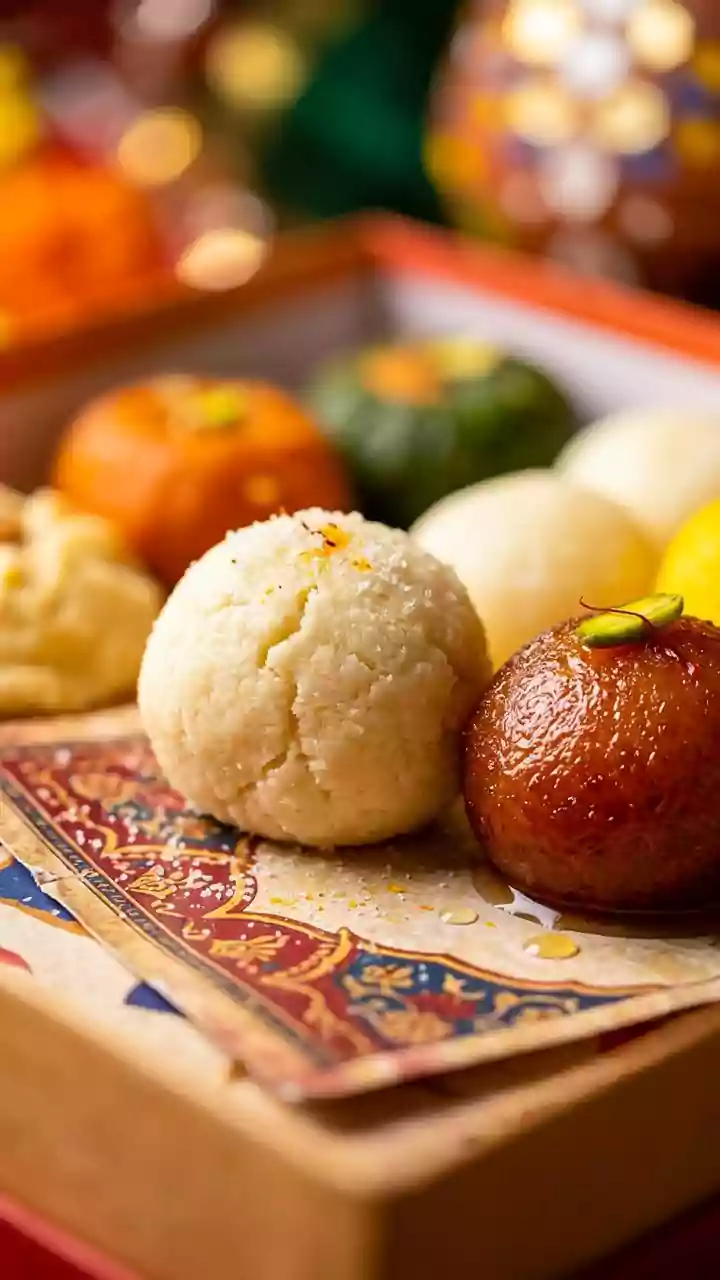
to Krishna, whose stories are filled with references to milk and butter, cemented its cultural and religious significance. What makes the Mathura Peda distinct is its preparation. It starts with khoya—milk that has been slowly simmered for hours until it reduces to a thick, solid mass. This khoya is then roasted, often with ghee, until the milk sugars caramelise, giving the peda its signature light brown colour, slightly grainy texture, and a rich, nutty flavour that is more complex than simple sweetness. This process not only defines its taste but also gives it a longer shelf life, making it the perfect edible souvenir for pilgrims visiting the holy city.
A Southern Challenger: The Dharwad Peda
Travel south to Karnataka, and you’ll find another city famous for its own version of the sweet: the Dharwad Peda. While it shares a name, the Dharwad Peda is a different experience altogether. It is darker, denser, and often has a chewier, more granular texture. Its story begins not with ancient folklore, but with migration. In the 19th century, Ram Ratan Singh Thakur, a confectioner from Uttar Pradesh, is said to have moved to Dharwad and started making pedas. Using the rich milk from local Dharwadi buffaloes and a slow-cooking method that deeply caramelised the milk solids, he created a sweet that was distinct from its northern cousin. The process results in a dark brown peda with a robust, caramel-like flavour, which is then rolled in powdered sugar. Today, the Dharwad Peda holds a Geographical Indication (GI) tag, legally protecting its name and heritage.
The Great Divide: Khoya vs. Chhena
The difference between a Mathura Peda and many other famous milk sweets lies in the base ingredient. While pedas are made from khoya (milk solids reduced by evaporation), another world of sweets is built on 'chhena'. Chhena is made by curdling milk with an acidic agent, like lemon juice, and then straining the solids. This base is lighter, spongier, and more delicate than khoya. The heartland of chhena sweets is Eastern India, particularly West Bengal and Odisha. Think of the famous Rasgulla, a spongy ball of chhena soaked in sugar syrup, or Sandesh, where fresh chhena is kneaded with sugar and sometimes gently cooked to create a soft, delicate fudge. This fundamental difference in preparing the milk solids—reducing versus curdling—is what creates the two major families of Indian milk sweets, each with its own unique texture and character.
Other Milky Marvels Across India
The diversity doesn't end there. Kalakand, popular in Rajasthan and across North India, occupies a delicious middle ground. It's known for its moist, grainy texture, sometimes achieved by using a granular form of khoya or even by blending chhena and khoya. This gives it a soft, crumbly consistency that melts in the mouth. Then there is Rabri from North India, which is made by simmering milk for hours in a wide pan until it thickens and layers of cream (malai) form on top. These layers are painstakingly collected and added back, creating a luscious, thickened sweet milk often flavoured with saffron and nuts. Each of these sweets, born from the same simple ingredient, tells a story of its region’s climate, culinary techniques, and cultural palate, showcasing the incredible ingenuity of Indian mithai-makers.