

The Lofoten Islands: Iconic Drama
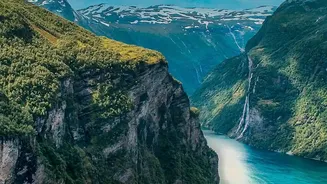
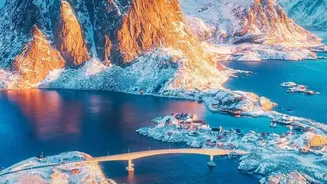
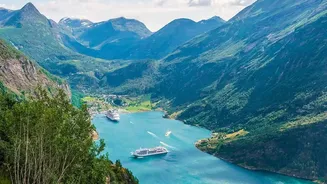
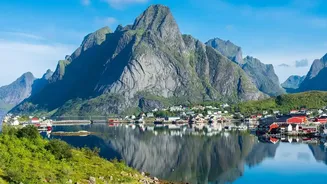
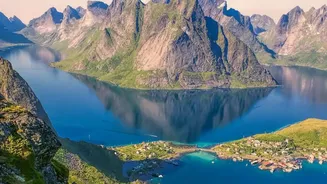
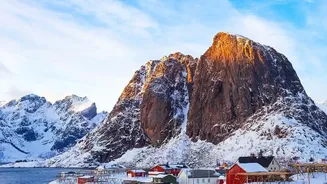
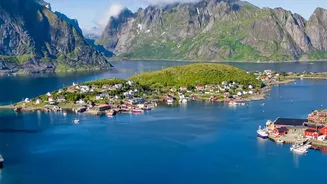
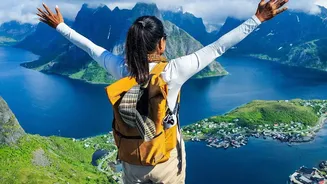
The Lofoten archipelago is the stuff of postcards, where jagged peaks plunge directly into the sea and colourful fishing villages cling to the shore. It's Norway’s most famous northern destination for a reason, but its popularity means planning is essential.
Summer (June-August) offers the midnight sun, turning the islands into a 24-hour playground for hiking, kayaking, and photography. All roads are typically open, and ferries run frequently, making it the easiest time to explore. However, this is also peak season, so book accommodation and rental cars far in advance.Winter (late September-March) is a completely different world. The days are short and the landscape is draped in snow. This is the prime time for chasing the Northern Lights. Many hiking trails become inaccessible or require a guide, and driving can be challenging due to icy conditions and potential road closures. Ferry schedules are also reduced. It’s a quieter, more intense experience for those prepared for the cold.
Senja: Norway in Miniature
Often called ‘Norway in Miniature’, Senja is a vast island that delivers staggering coastal scenery with fewer crowds than Lofoten. Its western coast features a national scenic route with dramatic viewpoints, while the interior is gentler and forested.In summer, from roughly mid-June to late September, hiking trails are generally snow-free, and you can enjoy the endless daylight of the midnight sun. This is the best period for accessing famous hikes like Hesten for its iconic view of the Segla pinnacle. The island's beaches, like the stunning Ersfjord Beach, become popular spots for brave swimmers and campers.Winter transforms Senja into a wonderland for snowshoeing and dog sledding. The polar night, when the sun doesn't rise, offers incredible opportunities for seeing the aurora borealis with minimal light pollution. However, access is more limited. The scenic route can have closures, and driving requires caution. Public transport is sparse, so a rental car with winter tyres is a must for any real exploration.
Svalbard: The High Arctic
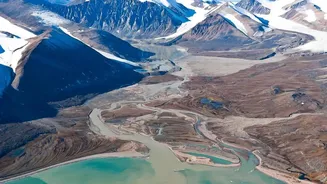
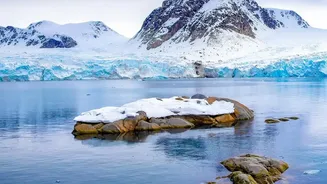
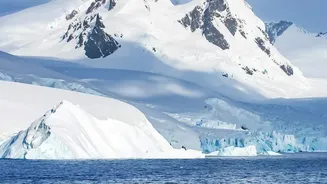
Located halfway between mainland Norway and the North Pole, Svalbard is a realm of glaciers, polar bears, and stark, powerful beauty. Travel here is an expedition, and planning is non-negotiable. You cannot leave the main settlement of Longyearbyen without an armed guide due to the risk of polar bears.Polar summer (mid-May to September) is the season of the midnight sun and the best time for wildlife viewing on expedition cruises. As the sea ice breaks up, ships can navigate the fjords to spot polar bears, walruses, whales, and vast seabird colonies. Hiking on the tundra is also possible during this period.Northern Lights winter (October to February) is defined by the polar night, with 24-hour darkness from mid-November to late January. This offers unparalleled chances to see the Northern Lights, often even during the day. Activities are land-based, such as snowmobiling and visiting ice caves, and require guided tours. The extreme cold and darkness make this a trip for the truly adventurous.
Vesterålen: The Whale Kingdom
Just north of Lofoten lies Vesterålen, an archipelago known for something its famous neighbour can't promise: year-round whale watching. The deep underwater canyon of Bleik is a rich feeding ground, making the town of Andenes a global hotspot for seeing sperm whales.Summer (May-September) is the primary season for seeing sperm whales, often enjoyed under the midnight sun. The weather is milder, the seas are generally calmer, and you can also spot puffins and other seabirds. It's an ideal time for hiking the Queen's Route or exploring the region's quieter beaches and fishing villages.Winter (late October-January) brings a different spectacle, as migratory herring draw huge numbers of orcas and humpback whales into the fjords. This creates a feeding frenzy that can sometimes be witnessed just a short boat ride from shore. However, the weather is more volatile, with shorter daylight hours and a higher chance of tour cancellations due to rough seas.
Sommarøy: The Summer Island
An hour's drive from Tromsø, the small archipelago of Sommarøy, or 'Summer Island', lives up to its name with Caribbean-like white sand beaches and turquoise water set against a dramatic Arctic backdrop. It offers a more relaxed and accessible taste of island life.From late May to late July, the island is bathed in 24-hour daylight, creating a magical, timeless atmosphere. It’s the perfect time for midnight kayaking, hiking to viewpoints like Ørnfløya for panoramic vistas, or simply enjoying the strange sensation of a sunlit night on the beach. An eye mask is highly recommended for sleeping.During the polar night (November-January), this tranquil island becomes an excellent spot for viewing the Northern Lights with very little light pollution and wide-open sky views. The pace of life slows, and activities shift to snowshoeing and enjoying cosy evenings indoors. While accessible from Tromsø year-round, always check road conditions in winter, as weather can change rapidly.