



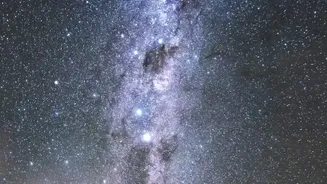


A Celestial Sanctuary in the Himalayas
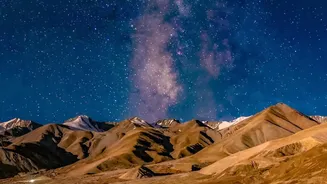
In December 2022, a remote area in the Changthang region of Ladakh was officially designated as India's first Dark Sky Reserve. Spanning a radius of 22 kilometres around the village of Hanle, this protected zone sits within the Changthang Wildlife Sanctuary
at a breathtaking altitude of 4,500 metres. This isn't just a park; it's a commitment by the local community, scientists, and the government to combat the growing problem of light pollution and preserve the natural darkness that allows the cosmos to shine in its full glory. The initiative is a collaborative effort between the Union Territory of Ladakh administration, the Ladakh Autonomous Hill Development Council (LAHDC), Leh, and the Indian Institute of Astrophysics (IIA).
Why the Night Sky Needs Saving
For most of us living in urban India, the Milky Way is a sight confined to textbooks and photographs. A 2019 study highlighted that light pollution is steadily increasing across India, with major states like Maharashtra, Uttar Pradesh, and Karnataka showing significant rises in artificial brightness. This isn't just about losing a beautiful view. Excessive artificial light disrupts ecosystems, affects the behaviour of nocturnal animals, and can have negative impacts on human health. A Dark Sky Reserve works to counter this by implementing strict guidelines on outdoor lighting. In Hanle, this means regulations on the types of lights used, ensuring they are shielded to point downwards and even controlling vehicle headlights within the reserve.
The Unique Brilliance of Hanle
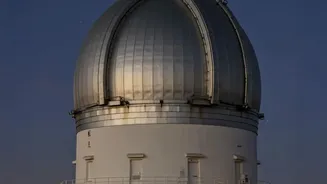
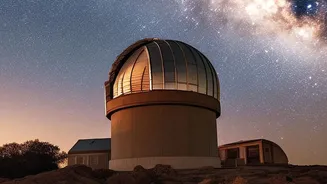
What makes Hanle the perfect location for such a reserve? The site is a rare combination of factors that astronomers dream of. Its high altitude means the air is thin and holds less moisture, leading to exceptionally clear, cloudless skies for much of the year. Its extreme remoteness, about 260 km from Leh, shields it from the urban skyglow that plagues other areas. This results in a pristine night sky rated as 'Bortle 1', the darkest possible classification on a nine-point scale. This is the same reason the Indian Institute of Astrophysics established the Indian Astronomical Observatory (IAO) here, one of the world's highest optical observatories.
Science, Tourism, and Local Empowerment
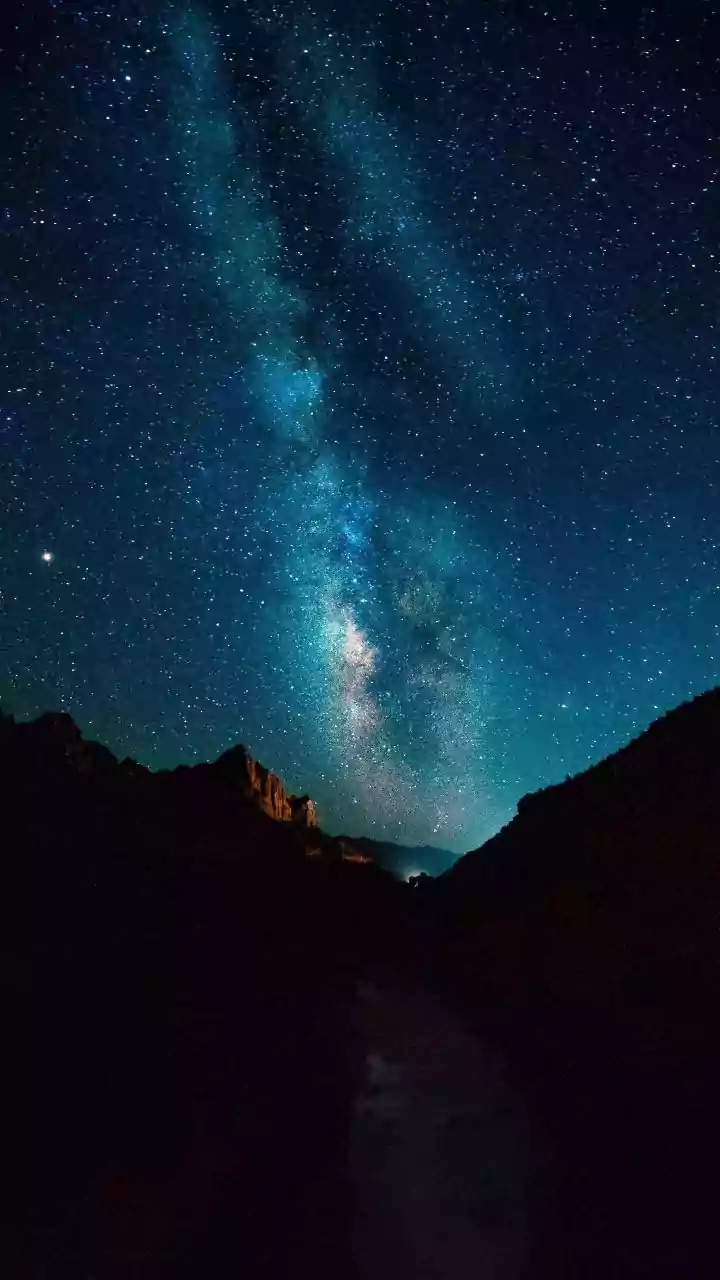
The Hanle Dark Sky Reserve is more than a scientific project; it is a model for science-driven, sustainable development. A key component is the growth of astro-tourism, creating new economic opportunities for the local community. To facilitate this, residents have been trained as 'Astronomy Ambassadors' or 'astropreneurs'. These local guides, many of whom are women, are equipped with telescopes and trained to lead stargazing sessions for visitors, offering an authentic and educational experience. Travellers now come not just for the majestic mountains, but to witness the river of diamond dust that is the Milky Way, see the Andromeda Galaxy with the naked eye, and spot the rings of Saturn through a telescope.
A Beacon for India's Future
The establishment of the Hanle Dark Sky Reserve is a landmark achievement, positioning Ladakh as a global destination for astro-tourism. It demonstrates a powerful synergy between scientific research, environmental conservation, and community benefit. As India continues to urbanise and light pollution grows, initiatives like this become increasingly vital. Hanle provides not only a window to the universe for scientists and stargazers but also a blueprint for how development can proceed in harmony with nature. By preserving the darkness, this small village in Ladakh is illuminating a path towards a more sustainable future where the wonders of the night sky are a heritage cherished and protected for generations to come.