





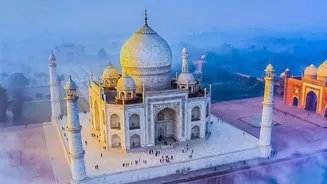


A New Vision for Indian Travel
A significant shift is underway, moving Indian tourism from individual site-seeing to holistic destination development. This evolution is spearheaded by government initiatives like Swadesh Darshan 2.0, which aims to create sustainable and responsible
tourism hubs. Instead of just promoting a single monument, the focus is now on developing entire regions with a specific theme, ensuring that travellers have a cohesive and enriching experience. This programme, along with its sub-schemes, funds everything from infrastructure and accessibility to capacity building for local communities, making sure that the benefits of tourism are widely distributed. The goal is to develop destinations that are not only attractive but also managed responsibly, creating a more sustainable model for the future of travel in the country.
The Search for Serenity: The Rise of Retreats
Increasingly, travellers are seeking holidays that do more than just offer a change of scenery; they want to return home healthier and more centred. This has fuelled a massive boom in wellness tourism, a sector where India has deep-rooted cultural advantages in practices like Ayurveda, yoga, and meditation. The Indian wellness tourism market is forecast to grow significantly, reflecting a global trend toward preventive health and mental well-being. This demand is being met by a growing number of yoga retreats, Ayurvedic centres, and holistic wellness resorts across the country. Travellers are now dedicating entire trips to managing stress, improving fitness, and even pursuing digital detoxes, signalling a change in how people define leisure.
Connecting the Sacred: Reimagining Pilgrimage
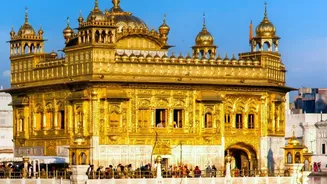
Spiritual travel has always been a cornerstone of domestic movement in India, but it is now becoming more organised and accessible. The 'Pilgrimage Rejuvenation and Spiritual, Heritage Augmentation Drive' (PRASHAD) scheme is a key driver of this change. This initiative focuses on the integrated development of pilgrimage sites, improving infrastructure like transport, sanitation, and tourist facilities to enhance the visitor experience. Rather than just visiting a single temple, the emphasis is shifting towards integrated circuits like the Buddhist Circuit or the Ramayana Circuit. New expressways are also functioning as tourism corridors, connecting multiple religious and heritage sites like Shirdi, Nashik, and the Ajanta and Ellora caves along a single route, making multi-destination spiritual journeys easier than ever before.
Into the Wild: Embracing Nature and Ecotourism
As awareness about environmental impact grows, so does the demand for sustainable travel options. India is developing its ecotourism sector to meet this need, creating experiences that allow travellers to connect with nature responsibly. Destinations are being planned with sustainability in mind from the outset. Thenmala in Kerala, for instance, is recognised as India's first planned ecotourism destination, zoning its activities to minimise environmental stress. From community-run homestays in Sikkim and Spiti Valley to eco-lodges near national parks, the focus is on ensuring that tourism benefits local communities and conservation efforts directly. These nature holidays offer more than just scenic views; they provide an opportunity for travellers to engage with the environment in a positive and meaningful way.