
The Scale of Martian Tempests
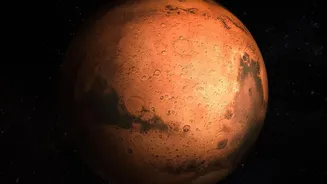
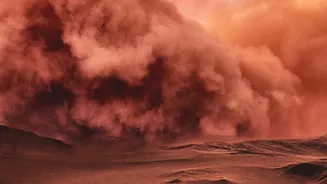
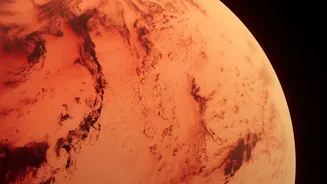
Martian dust storms are unlike anything on Earth. While our planet has powerful hurricanes, Mars can produce storms that encircle the entire globe for weeks. These events range from small, local dust devils to regional storms, and occasionally, planet-encircling
behemoths that plunge the surface into a hazy twilight. These global storms are driven by a complex interplay of solar radiation, atmospheric circulation, and the planet's elliptical orbit, which brings it closer to the sun during its southern hemisphere summer, heating the atmosphere and kicking up dust. Once lofted, the fine dust particles absorb sunlight, warming the middle atmosphere and creating a feedback loop that can cause a storm to grow exponentially.
A Tale of Two Rovers
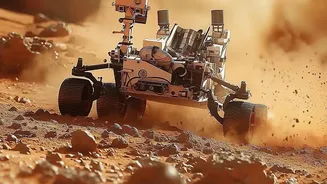
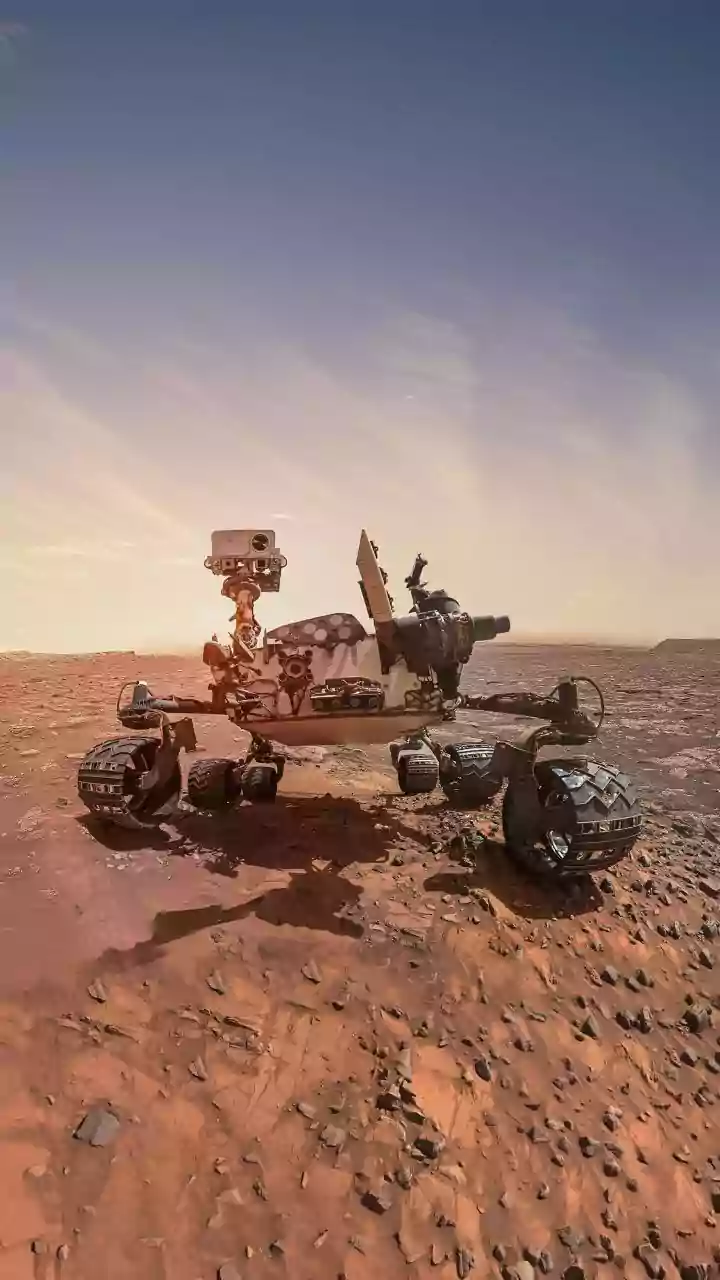
The danger these storms pose is not theoretical. NASA’s Opportunity rover, a mission that spectacularly outlasted its planned 90-day lifespan, finally met its end during a global dust storm in 2018. For months, the storm blotted out the sun, preventing the solar-powered rover from recharging its batteries. Unable to power its internal heaters, Opportunity likely succumbed to the bitter cold after its power levels dropped too low. Its sibling, the Spirit rover, had also faced life-threatening power shortages during storms years earlier. In stark contrast, the nuclear-powered Curiosity and Perseverance rovers are far less vulnerable to a loss of sunlight, highlighting a crucial design difference for surviving on the Red Planet.
Blinded, Starved, and Electrified
The primary threat for solar-powered assets is the radical reduction in sunlight, which can drop by as much as 99 percent during a major storm. However, the danger isn't just about power. The fine, abrasive Martian dust is also slightly electrostatic, causing it to cling to everything it touches, including camera lenses, mechanical joints, and scientific instruments. This gritty dust can get into gears and other moving parts, causing significant wear and tear. Furthermore, recent research suggests that the friction between dust particles can generate significant electric fields, creating conditions for electrostatic discharges that could interfere with electronics or damage spacecraft systems.
The Forecasting Challenge
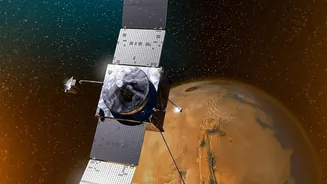
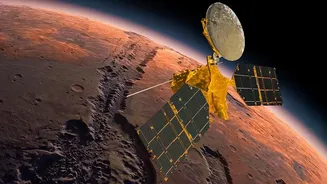
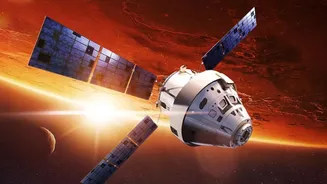
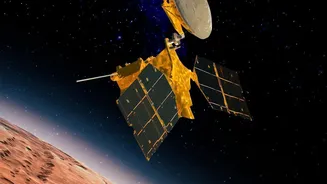
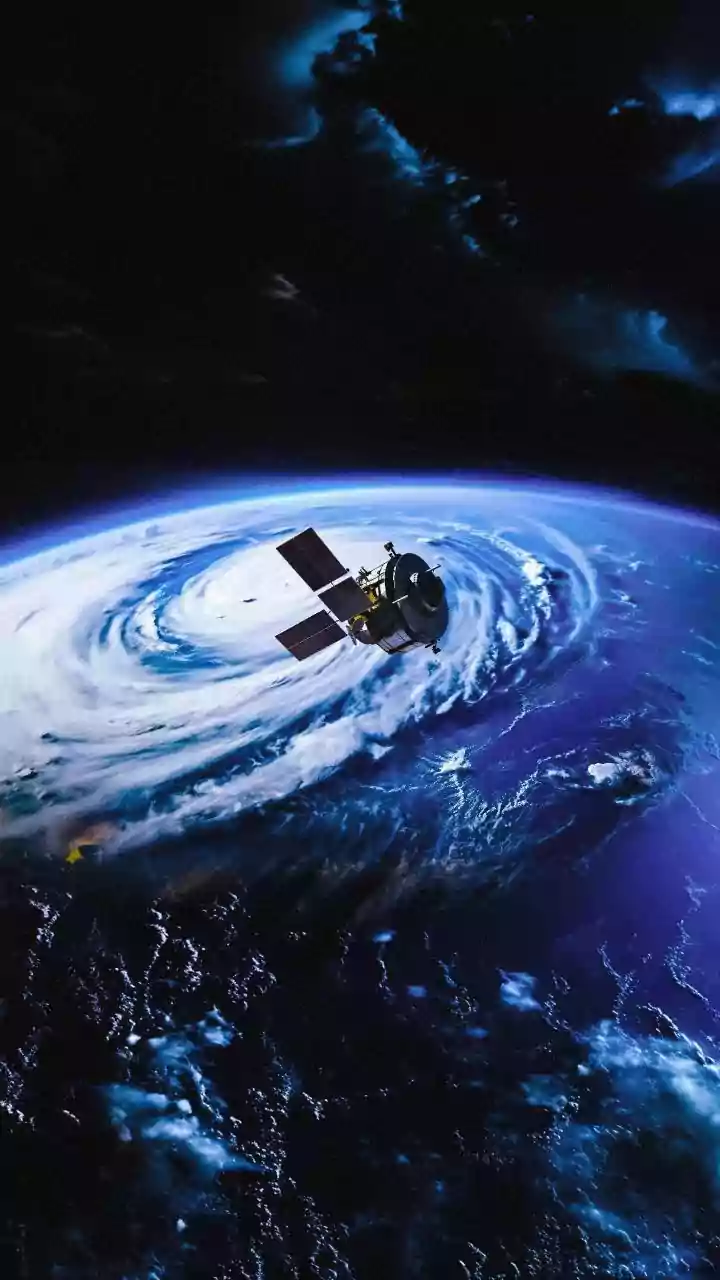
Predicting this extreme weather is a monumental challenge. Currently, scientists rely on a fleet of orbiters, like NASA's Mars Reconnaissance Orbiter (MRO), which uses instruments to create daily global weather maps. These orbiters track temperature changes and dust concentrations in the atmosphere to monitor how storms develop and spread. However, understanding the precise triggers that cause a local storm to explode into a global event remains a key puzzle. Researchers are now leveraging years of observational data and even adapting machine learning models used for Earth's climate to improve Martian weather forecasts, hoping to one day predict major storms weeks in advance.
Paving the Way for Human Explorers
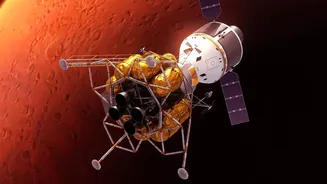
For robotic missions, poor storm prediction leads to lost assets and data. For future human missions, the stakes are life and death. Astronauts on Mars would face multiple hazards during a global storm. Their ability to generate solar power could be compromised for weeks, threatening life support systems. The abrasive and potentially toxic dust could pose a health risk and damage critical hardware like habitats and vehicles. Accurate forecasting is not just a convenience; it's an absolute necessity for ensuring the safety of any crewed mission. Knowing when a storm is coming would allow astronauts to take shelter, secure equipment, and switch to backup power, turning a potential catastrophe into a manageable event.