





The Rise of the Conscious Traveller
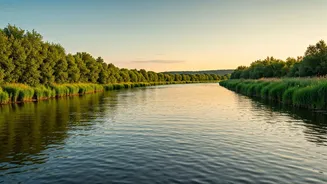
Slow travel is less about speed and more about connection. It rejects the ‘see-it-all’ checklist in favour of truly experiencing a single place. Think lingering over local meals, learning a craft from an artisan, or simply watching the world go by from a riverside
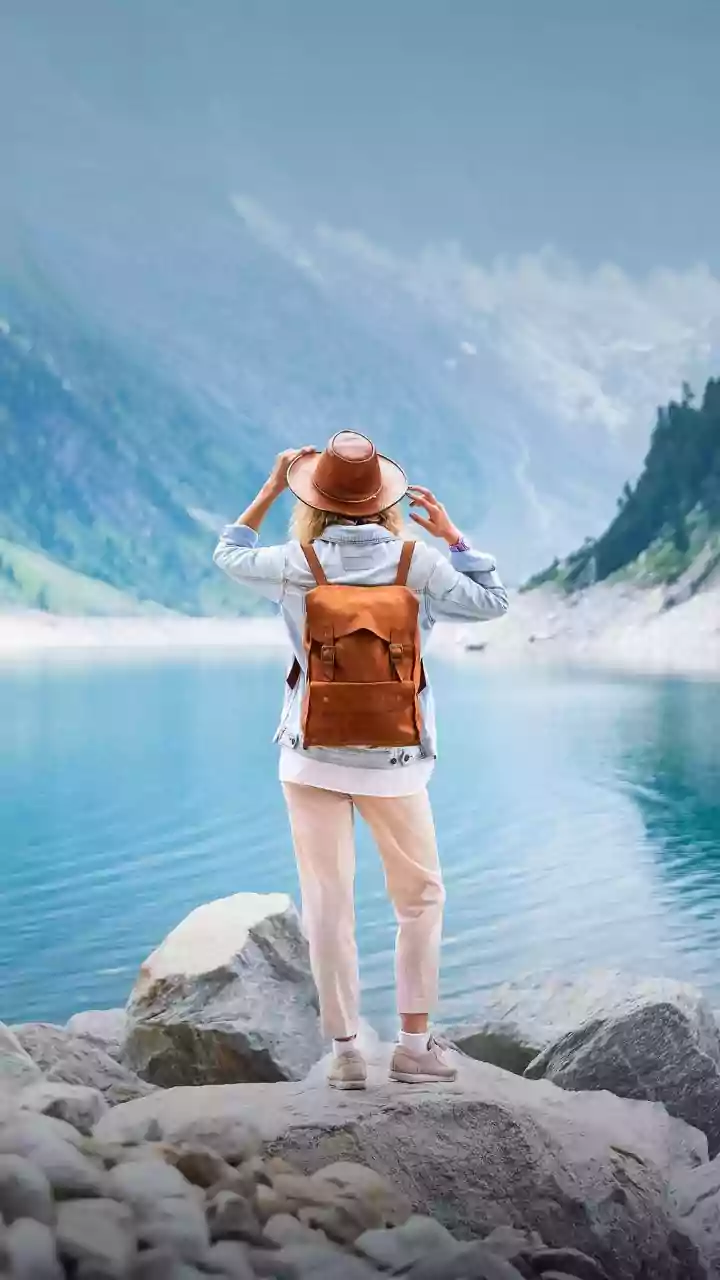
homestay. This philosophy strongly resonates with millennials, a generation that increasingly prioritises meaningful experiences over material possessions. For many, it's a form of self-care and an antidote to a hyper-connected life, offering a chance to disconnect from social media pressures and reconnect with the present moment. Recent studies confirm this shift, with a significant number of millennial travellers preferring to spend more time in fewer destinations to foster a deeper connection.
Why the Brahmaputra Beckons
The mighty Brahmaputra river, flowing through the heart of Assam, offers the perfect landscape for this intentional way of travelling. Its crown jewel is Majuli, the world's largest river island, which has become a symbol of slow, sustainable tourism in India. Life on Majuli moves at the pace of the river itself—calm and steady. Visitors can rent a bicycle to explore lush green paddy fields and traditional Mishing tribal villages, where houses are built on eco-friendly bamboo stilts. The island is also the spiritual centre of Assamese neo-Vaishnavite culture, dotted with monasteries known as 'Satras' where ancient art forms are preserved. This blend of serene nature, vibrant culture, and a gentle pace of life makes it an irresistible draw for those seeking authenticity.
From River Cruises to Bamboo Huts
The slow travel experience along the Brahmaputra isn't limited to Majuli. The entire river corridor is emerging as a hub for eco-tourism. Leisurely river cruises offer a unique vantage point, allowing travellers to drift between destinations while stopping at wildlife sanctuaries like Kaziranga National Park, fragrant tea estates, and villages renowned for their silk weaving. Accommodation choices reflect the slow ethos, moving away from large hotels towards intimate, community-integrated options. Eco-lodges, family-run homestays, and rustic bamboo cottages offer not just a place to sleep, but an opportunity to engage with local hosts and contribute directly to the local economy.
Shared Online, Lived Offline
While the essence of slow travel is about being present offline, the trend's popularity has been undeniably fuelled by the online world. Millennials are documenting their immersive journeys on platforms like Instagram, but with a noticeable shift in narrative. Instead of just posting glossy, picture-perfect shots, they are sharing authentic stories of connection—a conversation with a monk, a lesson in pottery, or a quiet sunset over the river. This kind of storytelling inspires a different kind of travel envy, one rooted in experience rather than extravagance. It highlights that the ultimate luxury is not a five-star hotel, but the time and space to simply be. This digital word-of-mouth has put Brahmaputra's serene destinations on the map for a new generation of travellers seeking more than just a vacation.