

Why Local and Seasonal is the New Superfood
For years, we've been told that a healthy diet involves imported ingredients like quinoa, kale, and avocados. While nutritious, these often come with a high price tag and a large carbon footprint. The truth is, our local markets are brimming with 'superfoods'
that are perfectly suited to our climate and bodies. Eating seasonal vegetables means you're getting produce at its peak in terms of flavour and nutritional value. Vegetables that are in season are fresher, require less artificial intervention to grow, and are often packed with more vitamins and minerals than their out-of-season, long-distance counterparts. For example, the vitamin C content in a seasonal, locally grown vegetable can be significantly higher. Embracing seasonal produce is also a wonderful way to support local farmers and reconnect with traditional Indian food wisdom, which has always prioritised eating according to the season.
Monsoon Marvel: The Gourd Family Feast
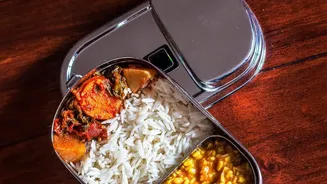
The monsoon season (July to September) brings a bounty of gourds that are perfect for a tiffin box. Bottle gourd (lauki), ridge gourd (turai), and bitter gourd (karela) are not only abundant and cheap during this time but also incredibly versatile and great for digestion. Instead of a bland salad, consider a simple Lauki Sabzi. Lightly sautéed with cumin, turmeric, and a pinch of asafoetida, it pairs beautifully with a couple of whole-wheat rotis. It’s light on the stomach, hydrating, and holds up well for several hours. For something more robust, a Turai Chana Dal is a fantastic one-pot option that combines vegetables and protein. These gourds are low in calories and high in dietary fibre, keeping you full and focused through the afternoon slump.
One-Pot Wonder: The Vegetable Pulao
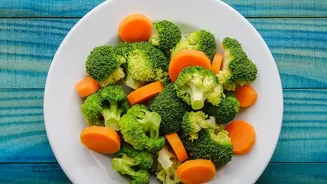
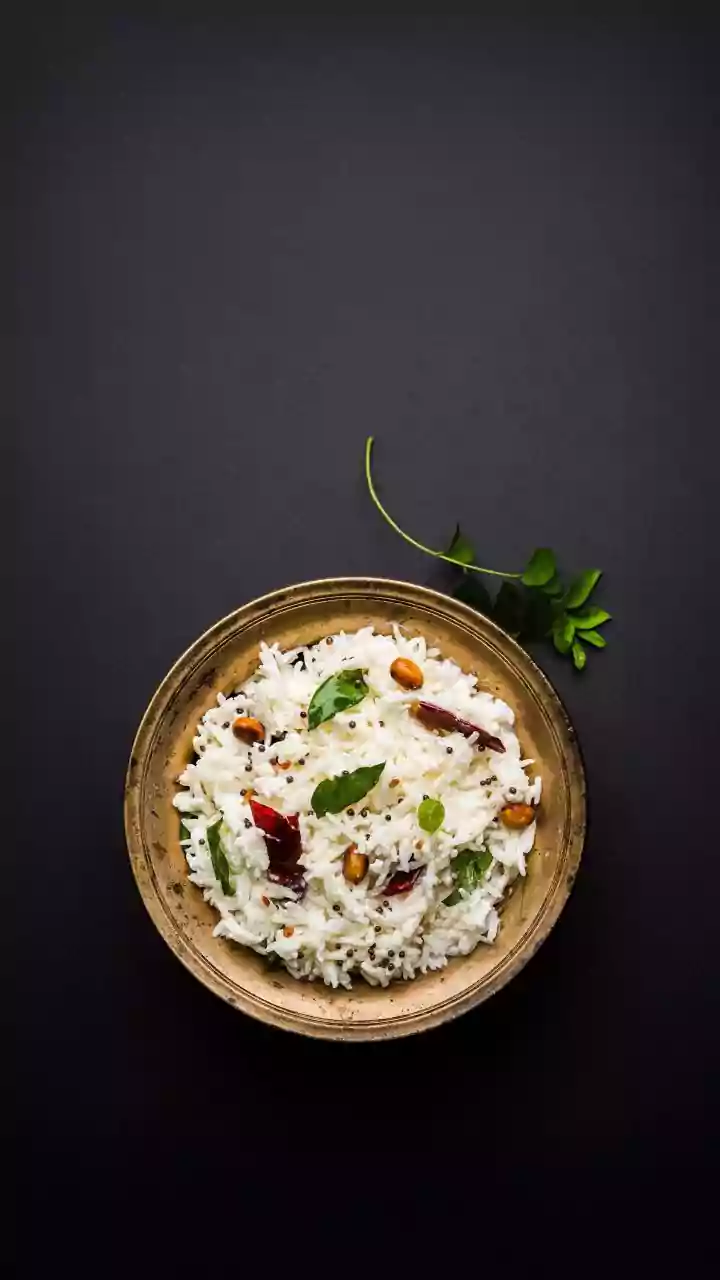
When mornings are chaotic, a one-pot meal is your best friend. A colourful Vegetable Pulao is a complete meal in itself and an excellent way to use a mix of seasonal vegetables. During the monsoon, you can add corn, beans, carrots, and peas. Simply sauté your favourite chopped vegetables with whole spices like cinnamon and cloves, add soaked basmati rice, and cook until done. It's a flavourful, satisfying lunch that requires no side dishes. This is a great alternative to a quinoa bowl, offering complex carbohydrates for sustained energy. Indian millets like foxtail or barnyard millet can also be used instead of rice for a gluten-free, high-fibre alternative that is more sustainable and affordable than quinoa.
The Desi Salad: Sprouted Moong and Chaat
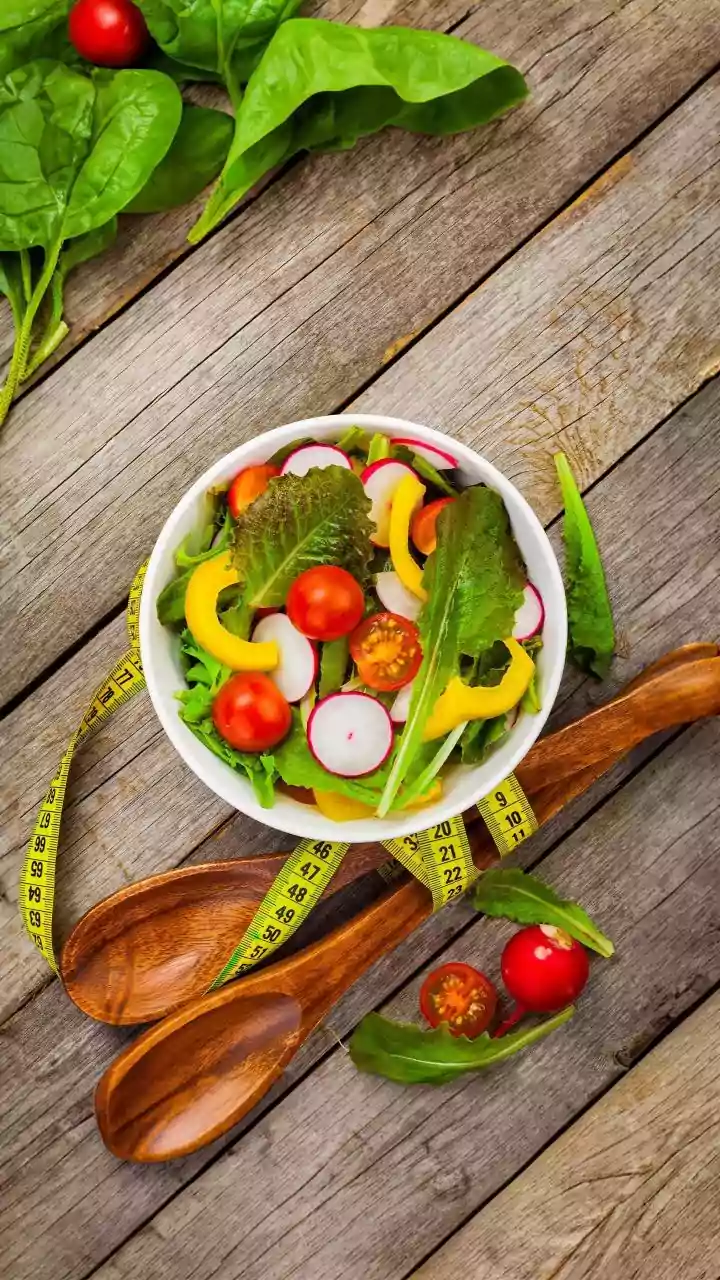
Who says a salad needs lettuce and expensive olive oil dressing? An Indian-style sprouted moong dal salad is a powerhouse of protein and vitamins. Sprouting the moong (whole green gram) multiplies its nutritional value. Mix the sprouts with finely chopped onion, tomato, cucumber, and a sprinkle of chaat masala for a zesty, crunchy, and incredibly healthy lunch. It’s a no-cook, no-reheat option perfect for busy days. Another great idea is Kala Chana Chaat, using boiled black chickpeas. These salads are filling, rich in fibre, and provide the kind of satisfying flavour that a bowl of leafy greens often lacks.
Smart Swap: Bhindi and Leafy Greens
Okra, or bhindi, is a monsoon favourite that flourishes in warm, humid conditions. A simple Bhindi Fry, stir-fried with onions and light spices until crisp, is a tiffin box classic. It travels well and tastes great even at room temperature with rotis or as a side to dal-rice. Similarly, instead of chasing expensive kale, turn to the humble spinach (palak). Palak is readily available, affordable, and nutritionally dense, packed with more folate and vitamins A and K than kale. A simple Palak Paneer, Palak Dal, or even a Palak Paratha offers a delicious way to get your greens in without the fancy price tag.