




Why A Gentle Reset Beats A Drastic Detox
After a period of indulgence, the temptation to jump into a radical 'detox' or a juice cleanse is strong. However, experts suggest a kinder approach is far more effective. Extreme diets can be a shock to your system, slowing your metabolism and causing
more stress. The goal isn't to punish your body, but to nourish it. Think of this as a 'refresh' button, not a 'delete' button. A gentle reset focuses on easing back into balanced eating habits, supporting your body’s natural detoxification systems — your liver and kidneys — which are perfectly capable of cleaning house when given the right tools. This approach helps restore energy levels and digestive harmony without the struggle of deprivation.
Fibre: Your Gut's Best Friend
So, what's the secret to a successful reset? The answer is simple: fibre. After consuming high-sugar, high-fat festive foods, your digestive system can feel out of sorts. Fibre is a type of carbohydrate that your body can't digest, and it plays a crucial role in getting things back on track. It helps to stabilise blood sugar levels, which may have been on a rollercoaster, and promotes a feeling of fullness, preventing overeating. Most importantly, fibre acts as a prebiotic, which means it feeds the good bacteria in your gut. A healthy gut microbiome is essential for everything from digestion to immunity, and festive eating can temporarily disrupt its balance. Reintroducing fibre-rich foods helps restore this balance naturally.
Easy-to-Find Fibre-Rich Foods
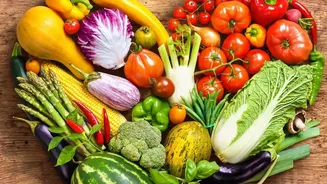
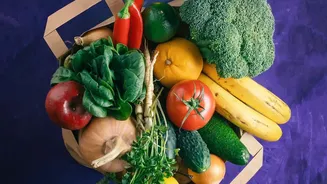
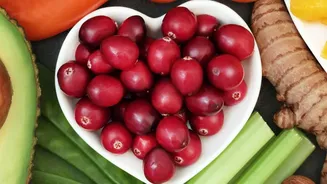
You don't need exotic ingredients for this reset. Your local sabziwala and pantry already hold the keys. Focus on incorporating a variety of whole foods. For vegetables, think non-starchy options like bhindi (okra), lauki (bottle gourd), palak (spinach), and karela (bitter gourd), all of which are rich in fibre and antioxidants. When it comes to fruits, opt for apples, pears, oranges, and berries. Whole grains are also fantastic; switch to brown rice, oats, and rotis made from whole wheat or bajra. Legumes are another powerhouse group. A simple bowl of dal, rajma, or chana provides both fibre and protein to help you feel satisfied and energised.
Simple, Soothing Meal Ideas
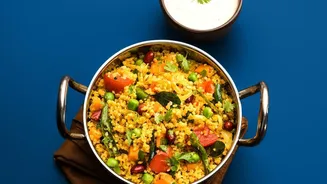
Getting started is easy with light, comforting meals that are gentle on your digestive system. Moong dal khichdi is a classic recovery food for a reason; it's easy to digest and incredibly nourishing. A simple vegetable upma for breakfast, packed with seasonal veggies, is another great option. Soups are also a wonderful way to pack in nutrients and hydration. Think of a mixed vegetable soup or a light lentil soup. For a quick and refreshing option, blend a smoothie with spinach, a banana, and a scoop of dahi (curd). Curd is a fantastic natural probiotic that helps support gut health.
Don't Forget to Hydrate
Festive foods are often high in salt and sugar, which can leave you feeling dehydrated. Hydration is one of the most important and simplest steps in your reset. Aim to drink plenty of water throughout the day to help flush out toxins and support digestion. If plain water feels boring, try starting your day with a glass of warm water with a slice of lemon. Herbal teas like ginger, peppermint, or green tea are also excellent choices that offer soothing and antioxidant benefits. Coconut water is another great option for replenishing electrolytes naturally.
Beyond the Plate: Gentle Movement and Rest
A food reset isn't just about what you eat. Gentle movement can do wonders for digestion and mood. You don't need an intense workout; a simple brisk walk in the morning or some light stretching can improve circulation and help shake off that sluggish feeling. The festive season can also disrupt sleep schedules, so prioritising rest is crucial. Aim for 7-8 hours of quality sleep per night to allow your body to properly repair and rejuvenate. Listening to your body and giving it the rest it needs is a key part of this gentle recovery process.