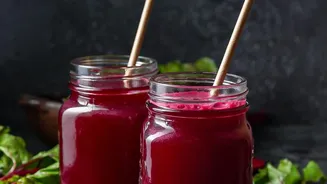



In the constant juggle of modern life, finding time for healthy habits can feel like a challenge. This simple and ingenious method of preparing and storing amla and beetroot juice cubes is the perfect solution for a quick, daily dose of wellness.
The Power Duo of Amla and Beetroot
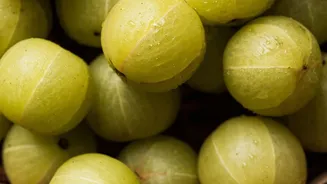
Amla,
or Indian gooseberry, and beetroot are a celebrated combination in traditional wellness for good reason. Amla is one of nature's most potent sources of Vitamin C, an essential nutrient for a strong immune system and healthy skin. It acts as a powerful antioxidant, helping the body fight off free radicals and oxidative stress. Beetroot complements this perfectly. It is packed with essential nutrients, including fibre, folate, manganese, potassium, iron, and Vitamin C. Known for its detoxifying properties, beetroot supports liver function and helps purify the blood. When combined, these two ingredients create a synergistic juice that boosts immunity, aids in detoxification, and promotes overall vitality.
Why Juice Cubes Are a Game-Changer
The main obstacle to consuming fresh juice daily is the preparation time. Washing, chopping, blending, and cleaning up every morning can be a significant deterrent. This is where the juice cube hack transforms your routine. By preparing a large batch of juice over the weekend and freezing it in ice cube trays, you create single-serving portions that are ready to use in seconds. This method not only saves an immense amount of time but also preserves the freshness and nutrients of the juice. There is no pressure to finish a large bottle before it spoils, which reduces food waste. It’s a brilliant strategy for portion control and ensures you get a consistent, healthy start to your day with minimal effort.
A Simple Recipe for Your Juice
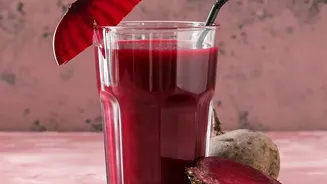
Making the base juice is incredibly straightforward. You do not need a fancy juicer; a standard blender will work perfectly. Here is a simple recipe to get you started. Ingredients: four to five fresh amlas (deseeded and chopped), one medium-sized beetroot (peeled and chopped), a small piece of ginger (optional, for added flavour and digestive benefits), a pinch of black salt (kala namak), and about one cup of water. To prepare, simply add the chopped amla, beetroot, and ginger to your blender. Pour in the water and blend until you have a smooth, vibrant puree. To get a smoother juice, strain the mixture through a fine-mesh sieve or a cheesecloth, pressing down on the pulp to extract as much liquid as possible. Stir in the black salt, and your juice is ready.
From Juice to Cubes: The Freezing Process
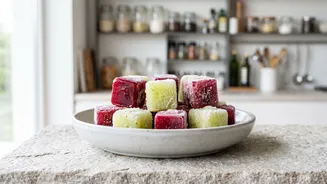
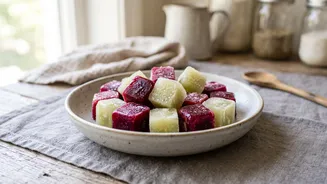
Once your delicious amla-beetroot juice is prepared, the final step is to preserve it. Take one or two standard ice cube trays and carefully pour the juice into each compartment. Be careful not to overfill them to avoid spills. Place the trays on a level surface in your freezer and let them freeze completely, which usually takes a few hours. Once the cubes are solid, you can pop them out of the trays. For longterm storage and to free up your ice trays, transfer the frozen juice cubes into a ziplock freezer bag or an airtight container. They will stay fresh in the freezer for several weeks, giving you a ready supply of health boosting goodness.
How to Enjoy Your Juice Cubes
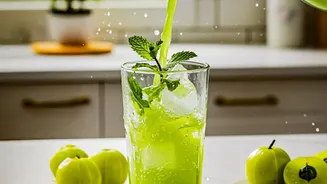
Using your homemade juice cubes could not be easier. The simplest method is to drop one or two cubes into a glass of room temperature water in the morning. Let them dissolve for a few minutes, stir, and your instant health drink is ready. This is a refreshing way to start your day and rehydrate your body. You can also get creative. Add a couple of cubes to your morning smoothie for an extra nutrient kick without watering it down. They can also be added to a bottle of water that you sip throughout the day, infusing it with flavour and vitamins. This small addition to your routine ensures you consistently reap the benefits of amla and beetroot.
A Note on Moderation and Effects
While this juice is incredibly healthy, it is best consumed in moderation. Amla is high in fibre, and consuming it in very large quantities could potentially lead to constipation for some individuals. Furthermore, beetroot contains pigments that can cause beeturia, a harmless condition where your urine and stools may turn reddish or pink. This is not a cause for alarm but is good to be aware of. If you have low blood pressure or are on medication for it, it is wise to monitor your intake, as beetroot juice is known to have a lowering effect on blood pressure. As with any dietary change, listening to your body is key.