







Why Winter Is Tough on Your Skin
Winter weather poses a unique challenge to our skin's health. The combination of cold, windy air outside and dry, heated air inside causes a significant drop in humidity. This environment actively draws moisture out of your skin, a process that can weaken
your skin's protective barrier. This barrier, known as the stratum corneum, is a carefully arranged layer of cells and lipids (natural fats) responsible for keeping moisture in and irritants out. When it's compromised, your skin becomes more vulnerable to dryness, flaking, redness, and increased sensitivity. Even products that don't normally bother you can suddenly cause stinging or irritation when your skin's defenses are down.
The Double Danger of DIY Fruit Scrubs
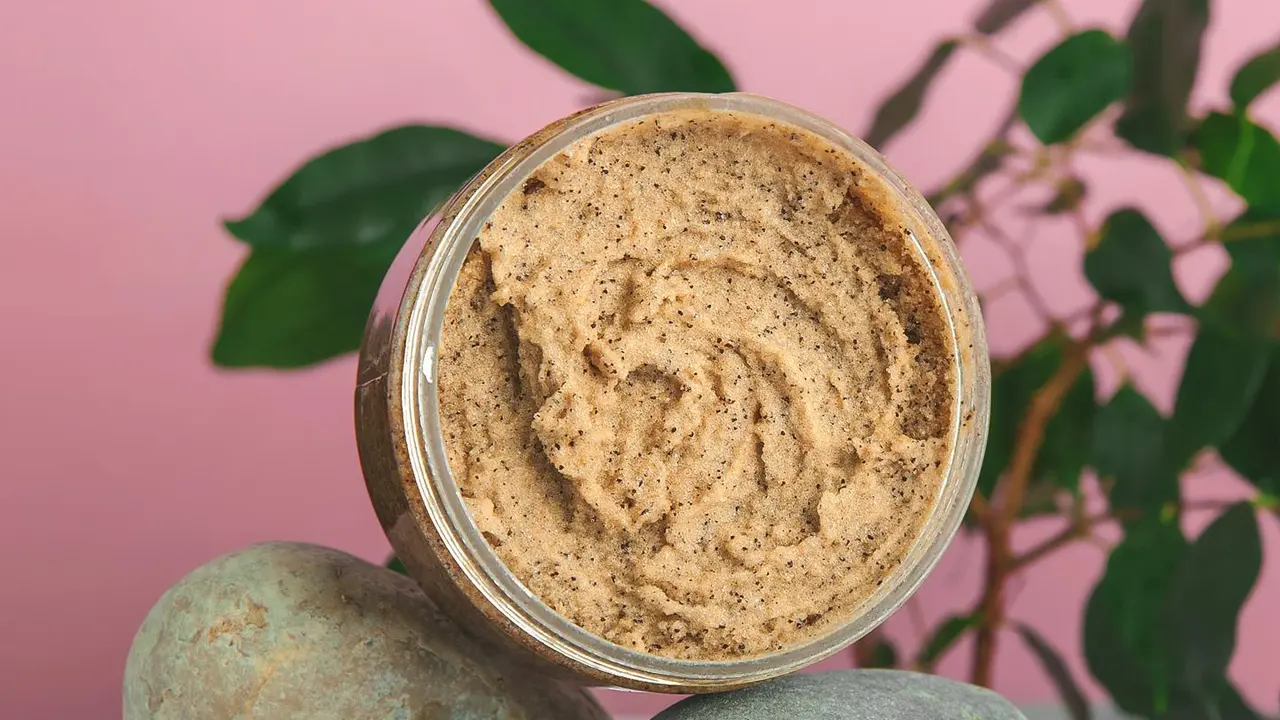
Fruit peel scrubs present two potential problems for skin that is already stressed by winter conditions: physical abrasion and chemical irritation. Firstly, many homemade scrubs use particles with rough, uneven edges—think ground-up fruit peels, sugar, or coffee grounds. These can create microscopic tears on the skin's surface, further damaging an already weakened barrier and leading to inflammation. Secondly, many fruits contain potent natural compounds that can be problematic. Citrus fruits, for instance, are highly acidic. Applying acidic ingredients like lemon juice directly to the skin can disrupt its natural pH balance, causing dryness and irritation. This one-two punch of aggressive scrubbing and uncontrolled acidity is a recipe for an irritated, unhappy complexion.
The Problem with Citrus and Strong Enzymes
While fruits like papaya and pineapple are known for their exfoliating enzymes, papain and bromelain, their effects in a DIY setting are unpredictable. These enzymes work by dissolving the proteins that hold dead skin cells together, but in a raw, unstabilised form, their strength can be inconsistent and may cause irritation or even allergic reactions in some individuals. Citrus peels pose another specific risk: phototoxicity. They contain compounds called furanocoumarins, which can react with sunlight (even on a cloudy day) to cause an inflammatory reaction similar to a chemical burn, sometimes leading to blisters and lingering dark spots. What was intended to brighten your skin could ironically result in long-lasting hyperpigmentation.
Safer Ways to Exfoliate Sensitive Winter Skin
Just because your skin is sensitive in winter doesn't mean you have to give up on exfoliation entirely. The key is to be gentle. Dermatologists often recommend switching from physical scrubs to mild chemical exfoliants during colder months. Look for products formulated with Polyhydroxy Acids (PHAs) or lower concentrations of Lactic Acid, which are known for being gentler on the skin than other acids like glycolic acid. These ingredients work by dissolving the bonds between dead skin cells without the need for harsh scrubbing. Reducing the frequency of exfoliation to just once a week, or even less, can also make a significant difference in preventing irritation.
Focus on Hydration and Barrier Repair
Instead of focusing on aggressive exfoliation, make winter a time for nurturing your skin barrier. Switch to a gentle, creamy, or oil-based cleanser that won't strip your skin of its natural oils. Immediately after washing, while your skin is still slightly damp, apply a thick moisturizer to lock in hydration. Look for products containing ingredients like ceramides, hyaluronic acid, squalane, and niacinamide. Ceramides help rebuild the 'mortar' of your skin barrier, hyaluronic acid pulls in moisture, and niacinamide can help soothe redness and inflammation. These ingredients will do more to give you a healthy, comfortable glow through winter than any harsh scrub.