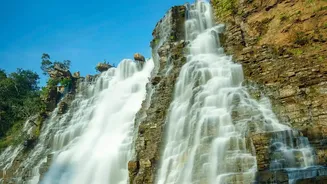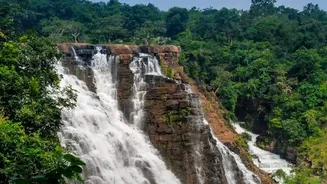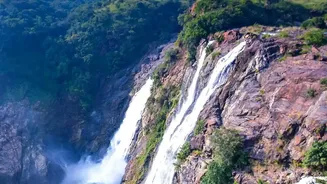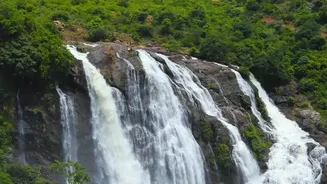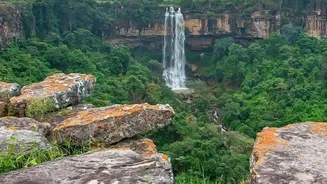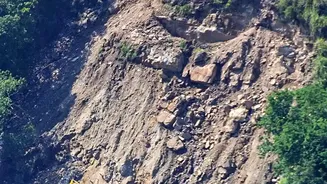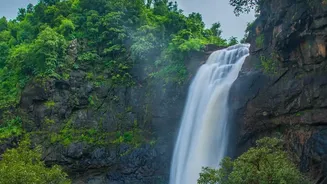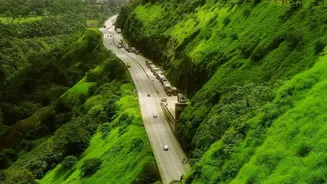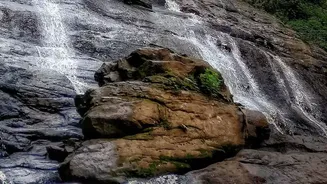


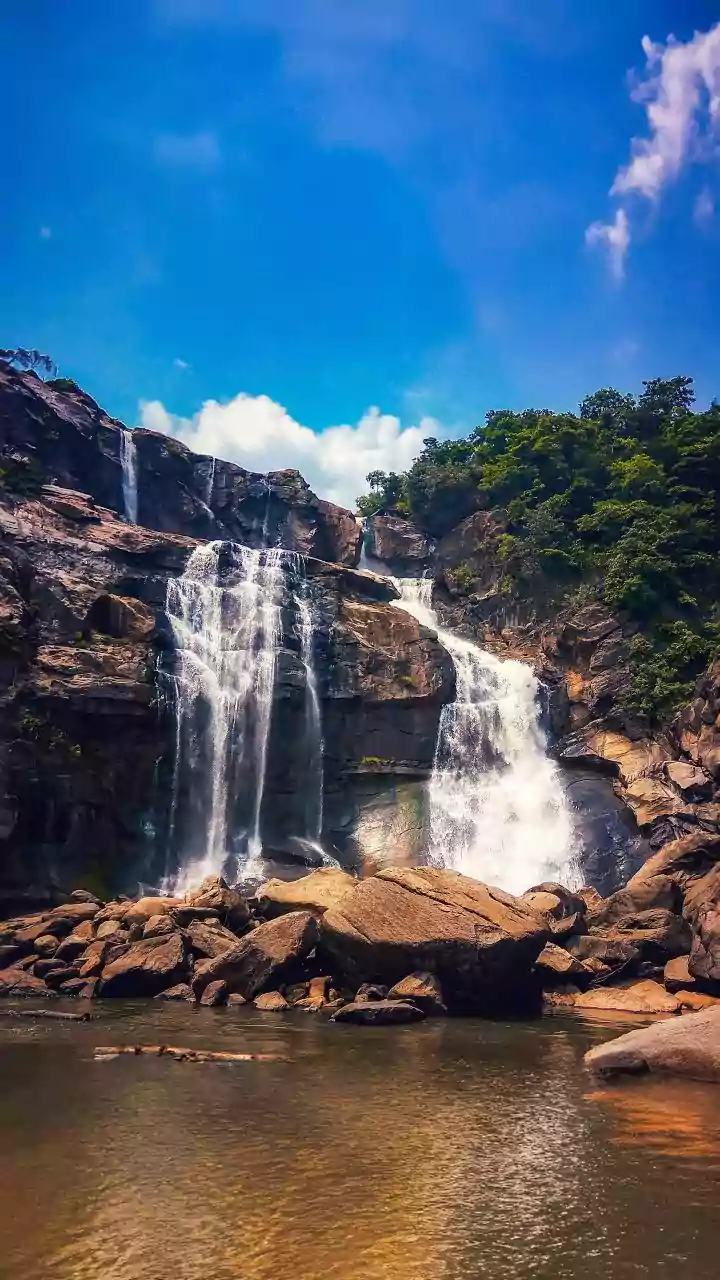
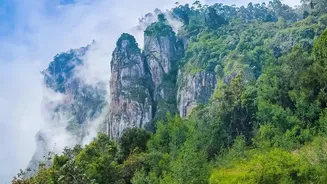
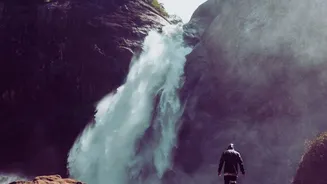
The post-monsoon season transforms Karnataka, bringing its waterfalls to life with breathtaking force. But this majestic beauty hides significant danger, prompting authorities to enforce strict rules, including swimming and entry bans across the state.
The Post-Monsoon Danger
While the rains may have subsided, the danger at waterfalls is at its peak during the post-monsoon months of October and November. The ground remains saturated, rivers are still swollen with monsoon runoff, and the rocks are notoriously slippery. The biggest threat, however, comes from the water itself. Water levels can rise dramatically and without warning due to rainfall in upstream catchment areas, turning a calm pool into a raging torrent in minutes. These sudden surges create powerful, invisible undercurrents that can easily overpower even strong swimmers. Tragic incidents are reported almost annually, often because visitors underestimate these risks. In July, a group of students had to be dramatically rescued from Mallalli Falls in Kodagu after they crossed a safety barricade and became trapped on a rock by rising water levels. Such events highlight why authorities take a zero-tolerance approach to safety violations.
Official Advisories and Bans
Across Karnataka, particularly in the Western Ghats districts of Kodagu, Shivamogga, and Belagavi, district administrations and the Forest Department are the primary authorities governing access to waterfalls. It is common practice for them to issue temporary bans on entry to waterfalls or prohibit swimming and trekking in surrounding forest areas, especially after periods of heavy rain. These orders are issued under the Disaster Management Act to ensure public safety. For instance, following drowning incidents, authorities in Belagavi's Khanapur taluk have previously closed access to all waterfalls in the forest range. Officials have made it clear that these restrictions are not optional. Forest personnel are often deployed to monitor key sites, and anyone found violating a ban by entering a restricted area can face legal action under the Karnataka Forest Act. Before planning any trip, checking the official websites or social media channels of the local district administration and forest office is no longer just a recommendation—it is an essential first step.
Status at Popular Waterfalls
While blanket bans are often temporary and location-specific, some of Karnataka's most famous waterfalls have standing rules that all visitors must follow. At Abbey Falls in Kodagu, for example, entering the water or swimming is strictly prohibited at all times due to the powerful currents and treacherous, rocky base. Visitors can safely enjoy the spectacular view from the hanging bridge opposite the falls. At Shivanasamudra, comprising the Gaganachukki and Bharachukki falls, the sheer volume of water makes entering the main cascade extremely dangerous. While local boatmen may offer coracle rides in calmer sections of the river, direct entry into the falls is forbidden. Jog Falls in Shivamogga has previously been closed to tourists for extended periods to allow for development and maintenance work. While it may be open, travellers should always verify its current status with the Jog Management Authority before visiting, as closures can be implemented to ensure safety during civil works or adverse weather.
How to Visit Waterfalls Safely
Enjoying the splendour of Karnataka’s waterfalls without putting yourself at risk is entirely possible if you follow some simple, non-negotiable rules. First and foremost, always obey official signs and instructions. If a barricade is up, it is there for a life-saving reason. Never cross it. Assume that swimming is not allowed unless a designated, lifeguarded area explicitly permits it. The allure of a cool dip is not worth the risk of hidden rocks and strong currents. Wear sturdy footwear with good grip, as the paths and viewing areas are often wet and slippery. Maintain a safe distance from the edges of cliffs and the banks of fast-flowing streams. The spray from the falls can make rock surfaces slick and unstable. Finally, always supervise children closely and never let them wander off alone. The best way to enjoy these natural wonders is by appreciating their power from a safe and respectful distance.