


Bottle Gourd (Lauki)
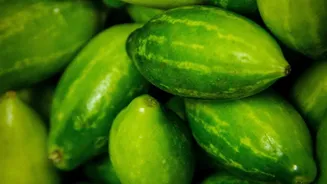
A quintessential fasting vegetable, bottle gourd is over 90% water, making it incredibly hydrating and light on the digestive system. During the monsoon month of Shravan, when digestion is considered weaker, lauki's easily digestible nature makes it an ideal
choice. It is naturally cooling for the body and versatile enough for various satvik preparations. You can prepare a simple lauki sabzi using sendha namak (rock salt), cumin seeds, and a dash of ginger. Another popular option is Lauki Kheer, a sweet pudding made with milk and jaggery, or a simple, nourishing soup. Its subtle flavour allows it to absorb spices well, providing a satisfying meal without feeling heavy.
Sweet Potato (Shakarkandi)
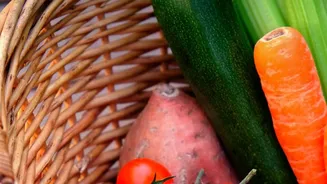
For sustained energy during fasting, look no further than the humble sweet potato. As a complex carbohydrate, it releases sugar slowly into the bloodstream, preventing the energy slumps that can accompany fasts. It is a permissible root vegetable that is both filling and nutritious, packed with fibre and essential vitamins. During Shravan, shakarkandi can be boiled or roasted and eaten with a sprinkle of rock salt and pepper. It can also be mashed into tikkis (patties) or used to make a delicious and creamy kheer. Its natural sweetness is a bonus, helping to curb sugar cravings in a healthy way.
Cucumber (Kheera)
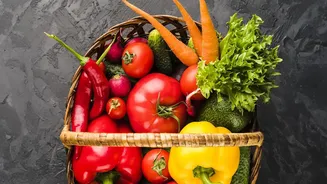
Cucumber is another monsoon vegetable celebrated for its high water content and cooling properties. It’s an excellent choice for staying hydrated, especially for those observing stricter fasts. As a satvik food, it's consumed raw, which helps retain its full nutritional value. A simple cucumber salad, perhaps mixed with crushed peanuts and a sprinkle of rock salt, makes for a refreshing and crunchy side dish. You can also blend it into a raita with yogurt, another fasting-friendly food, to create a cooling accompaniment to a meal of kuttu ki puri or sabudana khichdi. Its refreshing quality helps cleanse the palate and provides a light, crisp addition to your vrat thali.
Banana (Kela)
Bananas are a powerhouse of potassium and natural sugars, offering an instant energy boost whenever you need it. This makes them one of the most convenient and effective fruits to consume during the Shravan fast. Available year-round, they are particularly useful during fasting for their ability to keep you feeling full and energised. You can eat them as-is for a quick snack, blend them into a smoothie with milk and a few almonds, or slice them into a bowl of fruit salad. For a simple dessert, pan-fried banana slices drizzled with honey offer a delicious and permissible treat. Both raw and ripe bananas are used in fasting cuisine, with raw bananas often cooked as a vegetable curry.
Pomegranate (Anar)
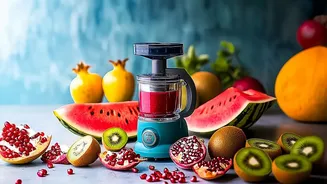
Vibrant, juicy, and packed with antioxidants, pomegranate seeds are a wonderful addition to your Shravan diet. These ruby-red jewels are rich in vitamins and help in boosting immunity, which is especially important during the monsoon season. Their sweet-tart flavour adds a burst of freshness to various dishes. You can sprinkle them over sabudana khichdi to add colour and a juicy texture, mix them into fruit salads, or blend them into a refreshing juice. Pomegranates are not just delicious; they are also known to be good for heart health and provide a good dose of dietary fibre, making them a nourishing and festive choice for your fasting meals.
Peaches and Plums (Aadu/Aloo Bukhara)
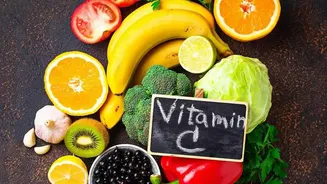
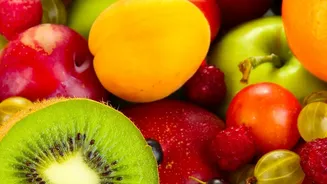
The monsoon brings with it a delightful bounty of stone fruits like peaches and plums. These juicy, seasonal treats are packed with Vitamin C, which is crucial for fighting off the infections that are common during the rainy season. They provide natural sweetness and hydration, making them a perfect fruit to enjoy during your fast. You can eat them fresh, add them to your fruit bowl, or even make a simple chutney or compote using jaggery to serve alongside your fasting meals. Enjoying these fruits is a wonderful way to eat according to the season, just as the principles of Ayurveda and satvik living recommend.