


Why Damp Fur Is a Health Hazard
During the Indian monsoon, high humidity means a wet coat stays damp for hours. This trapped moisture against your pet's warm skin creates a perfect breeding ground for fungi and bacteria. Conditions like yeast infections, often caused by an overgrowth
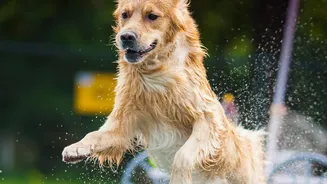
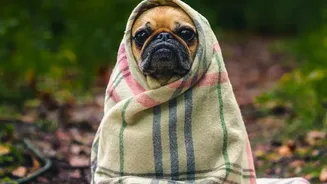
of Malassezia fungus, thrive in these warm, moist environments. You might also see hot spots, which are painful, inflamed patches of skin that can appear and spread rapidly when bacteria proliferate under wet fur. For breeds with thick or double coats like Golden Retrievers and German Shepherds, or those with skin folds like Pugs, the risk is even higher as air circulation is poor. A simple towel-dry often isn't enough to reach the undercoat or deep within skin folds, leaving behind a hidden zone of dampness.
The Post-Walk Drying Ritual
The single most important habit during the monsoon is to dry your pet thoroughly the moment you step back inside. Keep a dedicated, highly absorbent microfibre towel by the door to make this an automatic routine. Start by towelling the entire body, paying special attention to the belly, underarms, and tail area, which often get splashed with muddy water. For dogs with dense fur, a towel alone is insufficient. Using a blow dryer on a low-heat or cool setting is the best way to ensure the undercoat is completely dry and prevent fungal growth. This small step makes a huge difference in preventing the musty odour and itchy skin associated with monsoon-related infections.
A Deep Clean for Paws
Paws are ground zero for monsoon troubles. They come in direct contact with muddy paths and potentially contaminated puddles, which can carry bacteria like the one causing leptospirosis. After every single walk, your pet’s paws need a detailed cleaning. Use pet-safe wipes or a damp cloth to clean each paw, making sure to gently clean between the toes and around the pads where mud and moisture hide. If paws are very muddy, a quick rinse with lukewarm water is better than just wiping. The most critical step is to dry them meticulously afterwards, separating each toe to ensure no moisture remains. At the start of the season, consider trimming the excess fur between the paw pads to reduce how much water and mud get trapped there in the first place.
Don't Forget Ears and Folds
Areas that trap moisture and have poor airflow are high-risk zones for infection. For floppy-eared breeds like Beagles and Cocker Spaniels, the ear canal is a prime spot for yeast and bacteria to multiply, leading to painful ear infections. After a wet walk, gently wipe the inside of your pet’s ear flap with a dry, soft cloth. Similarly, check and dry any skin folds, especially in breeds like Bulldogs and Shar-Peis. These wrinkles can hold dampness against the skin, leading to irritation and infection. Also, remember to remove and dry under your pet's collar or harness, as this is another commonly overlooked area where moisture can get trapped.
Know the Warning Signs
Preventive care is effective, but it's also vital to know the early signs of a problem. If you notice your pet excessively scratching, licking, or chewing a particular spot, it's a red flag. Other warning signs of a skin infection include redness or inflammation, hair loss in patches, and greasy or scaly skin. One of the most telling signs of a yeast infection is a persistent musty or 'cheesy' smell, especially from the paws and ears. If you spot any of these symptoms, don't wait for them to worsen. A prompt visit to the veterinarian is necessary for a proper diagnosis and treatment to get your pet comfortable again.