




The Philosophy of Sensory Richness
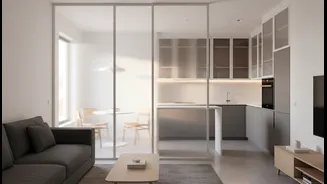
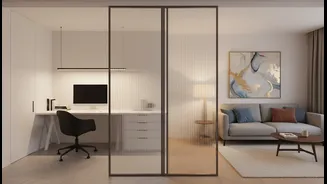
When the colour volume is turned down, other elements can take centre stage. Instead of relying on bold hues for visual excitement, a limited palette invites you to focus on the interplay of light, shadow, form, and, most importantly, texture. This is where
natural materials shine. They bring the imperfect, organic beauty of the outside world into your home, creating a space that feels grounded, authentic, and deeply comforting. A room layered with different materials engages more than just the eyes; it offers a tactile experience that makes a home feel layered and complete. The goal is to create a sanctuary that soothes the senses, reduces stress, and feels like a true retreat from the busy world.
The Enduring Warmth of Wood
Wood is perhaps the most essential material for adding warmth to a neutral room. Its natural grain, knots, and imperfections tell a story, lending character that flat-pack furniture often lacks. Whether you prefer the pale, clean lines of light oak for a Scandinavian feel or the deep, rich tones of walnut or reclaimed teak for a more rustic, grounded look, wood balances the coolness of a neutral palette. You don't need to install hardwood floors to feel its effect. A raw-edge wooden bench in the entryway, a sculptural coffee table, or even smaller accents like wooden bowls and picture frames can introduce that necessary organic touch. These pieces serve as functional art, grounding the space with their earthy presence.
The Cool Elegance of Stone and Clay
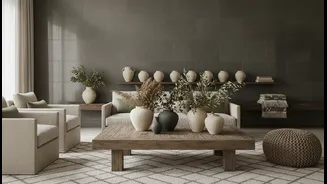
To counterbalance the warmth of wood, introduce the cool, solid presence of stone and clay. Materials like marble, travertine, slate, and terracotta provide a sense of permanence and earthy elegance. A marble-topped side table, a collection of terracotta pots, or a simple stone bowl on a dining table can add a sophisticated, grounding element. These materials offer subtle variations in pattern and finish—from the smooth veins of marble to the porous texture of clay—that add character without overwhelming the senses. In India, the use of stone urulis for holding water and flowers at an entrance is a traditional way to incorporate both natural elements and a sense of welcome, aligning with Vastu principles.
Weaving in Softness with Natural Textiles
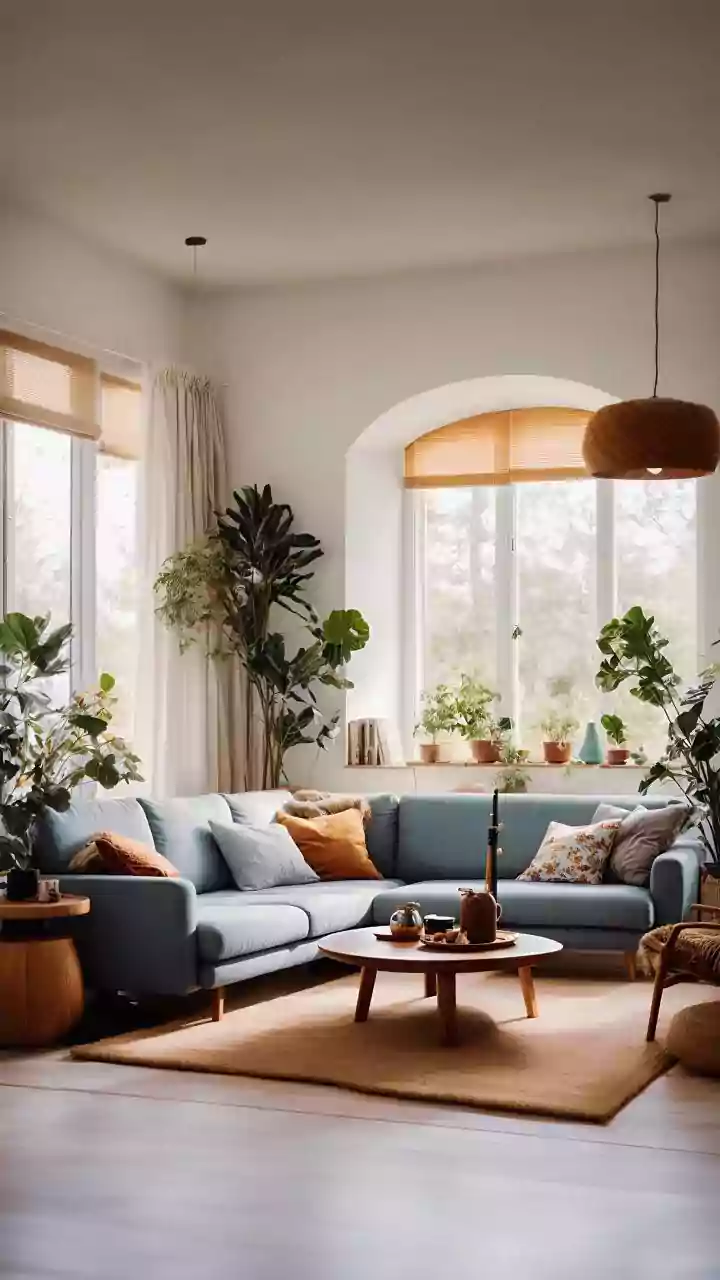
Hard surfaces like wood and stone need the softening influence of textiles to feel truly comfortable. This is where fabrics like linen, wool, cotton, and jute come into play. Linen curtains are a perfect choice as they filter light beautifully, adding a soft, breezy feel to a room. A chunky wool throw draped over a sofa or a hand-woven jute rug underfoot introduces tactile relief and absorbs sound, making a space quieter and more serene. Don't be afraid to layer these textures. A smooth cotton cushion next to a nubby wool one on a linen sofa creates a rich, inviting look that begs to be touched. These textiles are key to making even the most minimalist room feel cosy and lived-in.
The Final Layer: Living Greenery
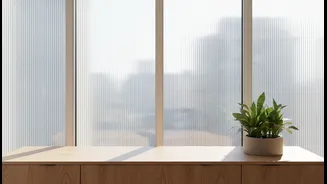
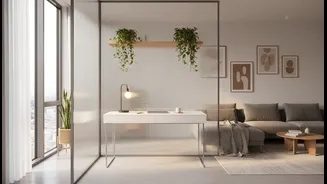
No discussion of natural materials is complete without mentioning plants. Houseplants are the ultimate way to bring life and a touch of organic colour into a neutral space. They purify the air, boost well-being, and add a sculptural element that complements other natural materials perfectly. A large monstera can serve as a living sculpture in a corner, while trailing pothos can soften the hard lines of a bookshelf. Even a simple vase of fresh flowers or a cluster of branches can connect your home to the rhythms of nature, providing a final, vital layer of variation. The vibrant green acts as a natural accent colour, invigorating the serene backdrop of your neutral palette.