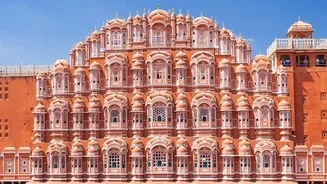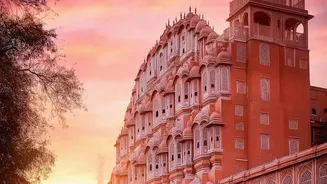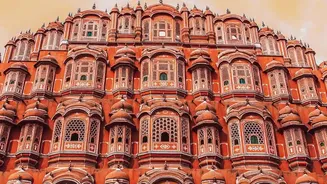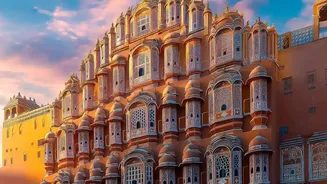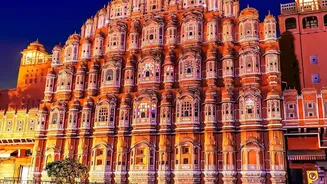

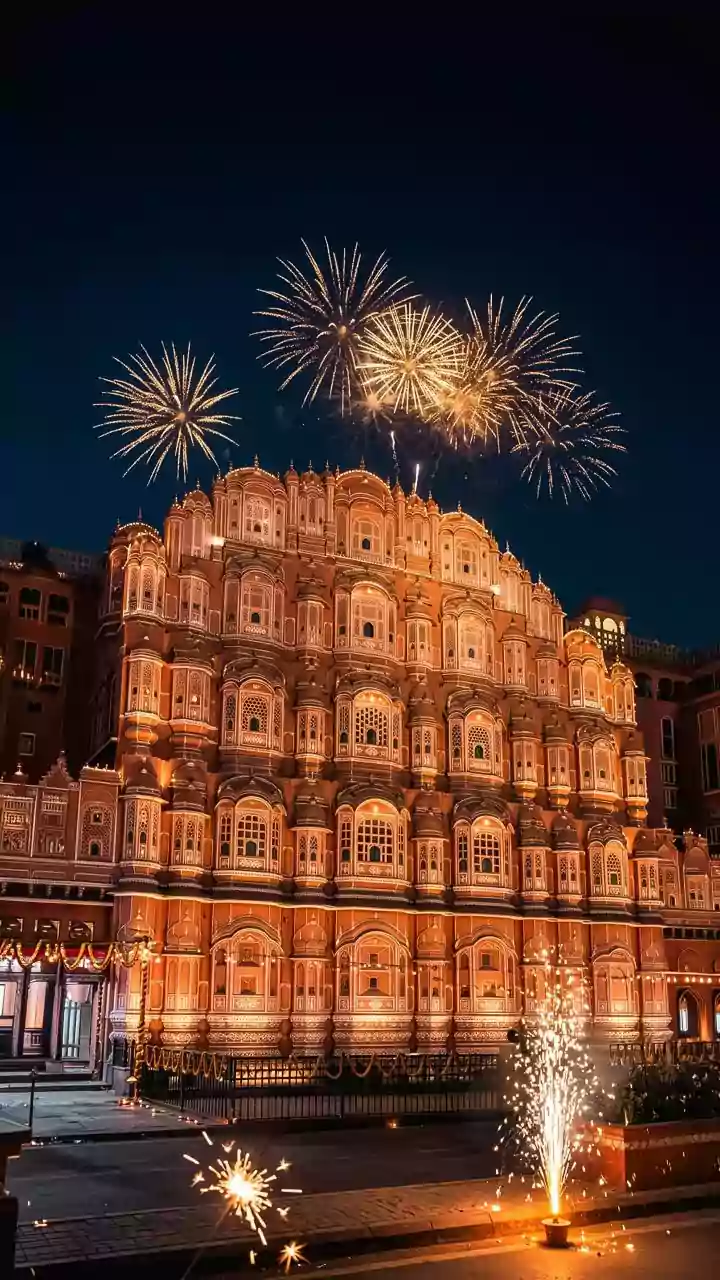
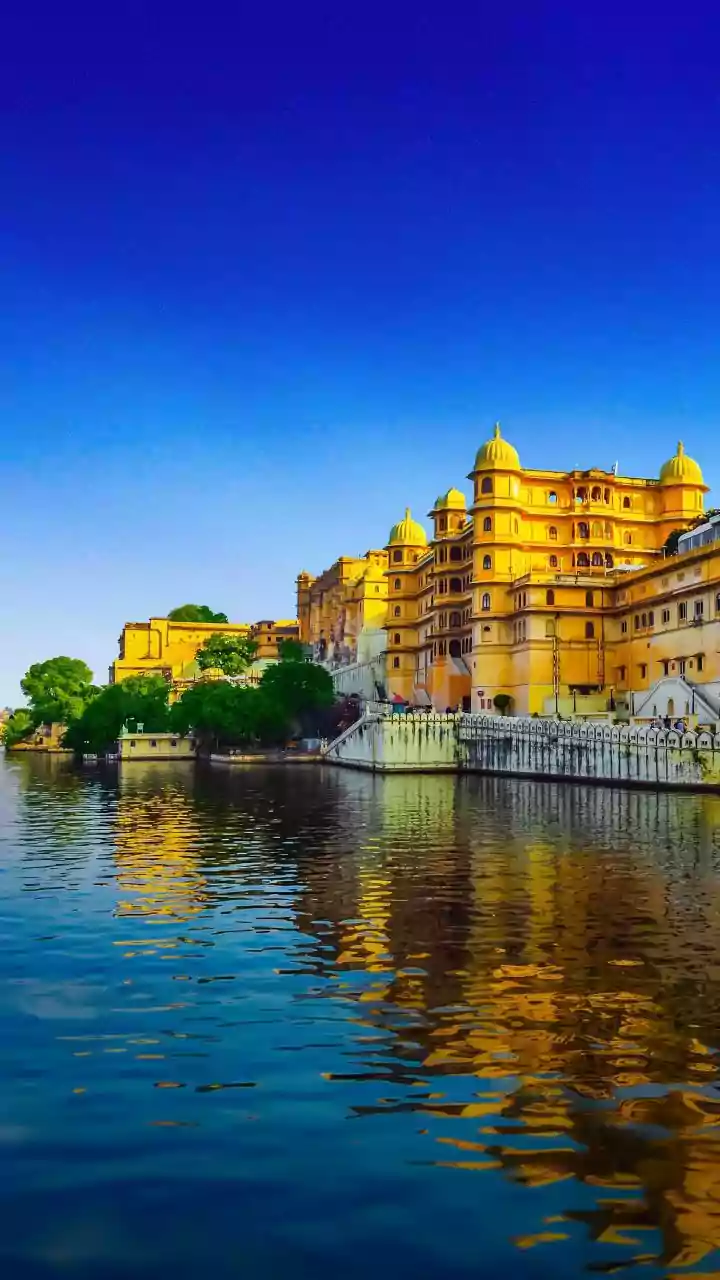
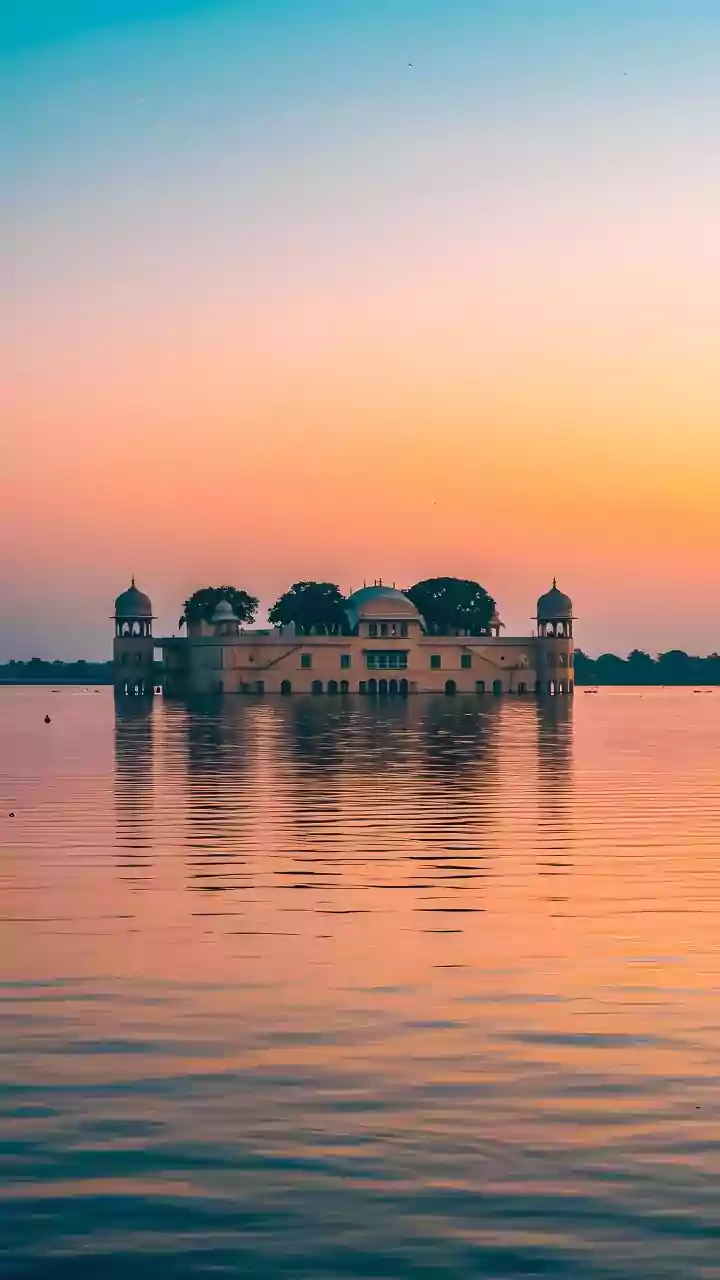
As the fierce summer heat gives way to crisp, gentle sunshine, Jaipur transforms. The cooler season, from October to March, is the perfect time to explore the Pink City's majestic forts and lose yourself in its vibrant, bustling markets.
The Golden Season for Sightseeing
Winter is widely
considered the best time to visit Jaipur for a simple reason: the weather is glorious. With daytime temperatures hovering in the low to mid-20s Celsius, the conditions are ideal for the considerable walking required to truly appreciate the city's sprawling attractions. This is the season for comfortable heritage walks, open-air sightseeing, and enjoying rooftop cafes without the strain of intense heat. The soft, golden light of winter mornings and afternoons also provides a perfect canvas for photographers looking to capture the warm hues of the city's sandstone architecture. While it's the peak tourist season, the lively atmosphere and access to major cultural festivals make it a worthwhile trade-off.
The Majestic Forts: A Trio of Titans
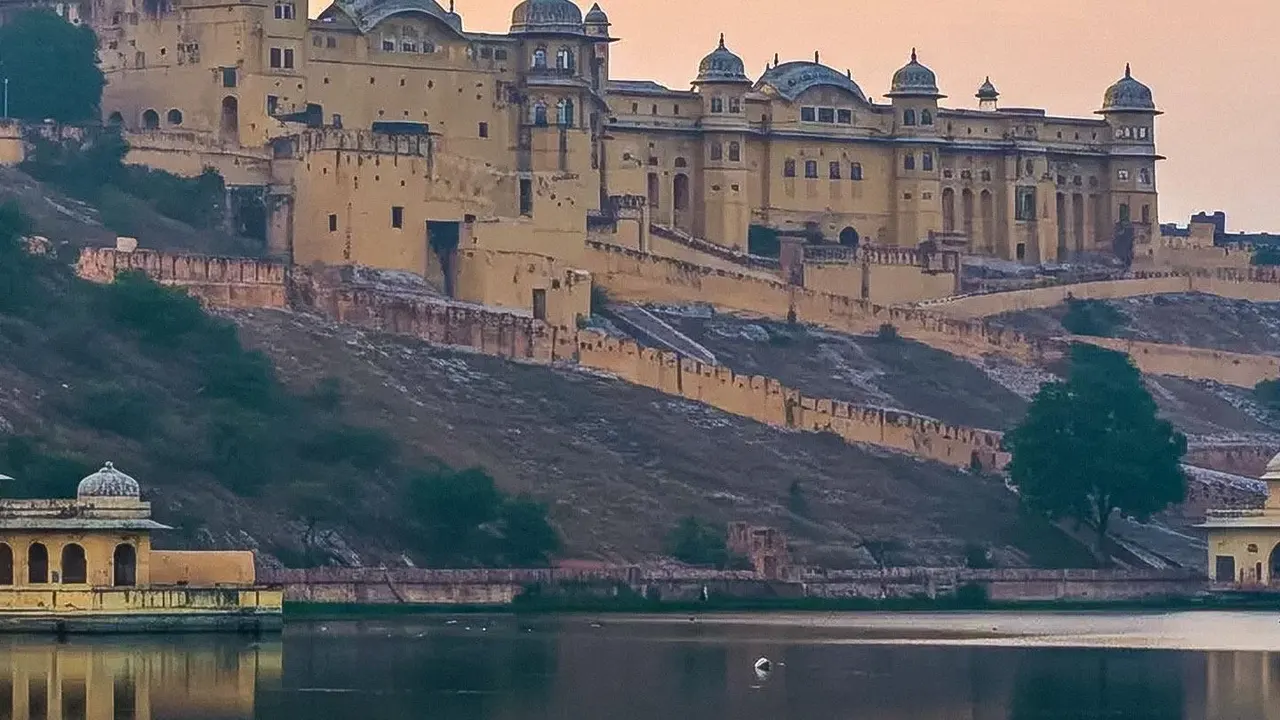
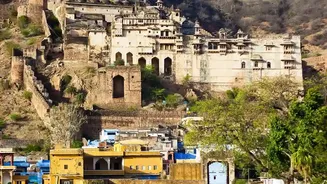
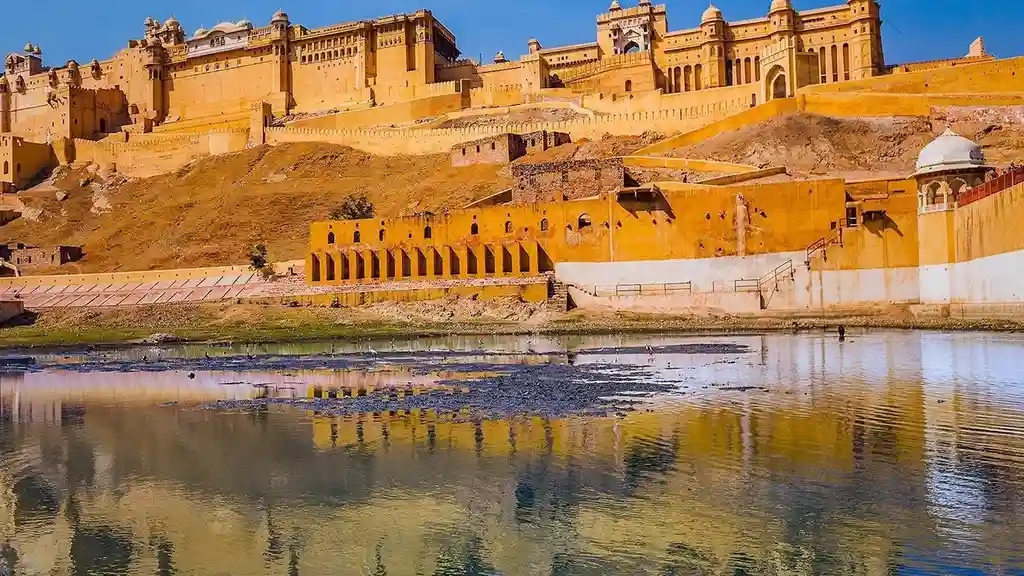
Jaipur's defence was historically built around a trio of formidable forts, each with a distinct character. Amber Fort, the principal tourist attraction, is a stunning blend of Rajput and Mughal architectural styles set on a high hill overlooking Maota Lake. Inside, the Sheesh Mahal, or Mirror Palace, dazzles with thousands of mirror mosaics that glitter in even the faintest light. Connected to Amber by subterranean passages is Jaigarh Fort, a rugged military outpost built for defence. It is most famous for housing the Jaivana Cannon, once the world's largest cannon on wheels, and offers a more rustic, martial contrast to Amber's opulence. Rounding out the trio is Nahargarh Fort, perched on the Aravalli ridge right above the city. While its Madhavendra Bhawan palace is an intricate maze of royal suites, Nahargarh is most beloved today for one thing: offering the most spectacular sunset views in Jaipur.
Bapu Bazaar: A Corridor of Colour and Crafts
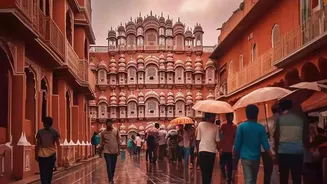
For tourists and locals alike, Bapu Bazaar is the go-to market for a vibrant and affordable shopping experience. Located in the heart of the city, this bustling market is famous for its vast collection of Rajasthani textiles, from traditional Bandhani (tie-dye) sarees to block-printed fabrics. It's also the best place to find Mojari, the traditional Rajasthani footwear made from soft camel leather. Beyond textiles and shoes, the shops are filled with handicrafts, lac bangles, Jaipuri quilts, and souvenirs. The market is known for its lively atmosphere where bargaining is common, making it an approachable and authentic place to soak in the local culture while hunting for treasures.
Johari Bazaar: The Epicentre of Gems and Jewellery
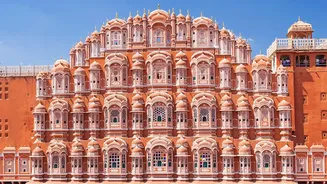
True to its name—'Johari' means jeweller—this bazaar is the city's main hub for gems and jewellery. Established when the city was founded, it has been the centre for skilled artisans for centuries. Here, you'll find everything from precious gemstones to intricate Kundan and Meenakari work, two traditional forms of Rajasthani jewellery. The market is a dazzling labyrinth of hundreds of shops, from small family-run workshops to grand showrooms. Even if you're not in the market for high-end pieces, the bazaar offers a stunning array of silver ornaments, costume jewellery, and traditional lac bangles. It's conveniently located near Hawa Mahal, making it easy to combine a shopping excursion with sightseeing.
Beyond the Main Attractions
A winter visit allows for deeper exploration. The pleasant weather is perfect for visiting the Panna Meena ka Kund, an ancient and photogenic stepwell with symmetrical zigzagging stairs located near Amber Fort. The cooler evenings are ideal for experiencing the light and sound show at Amber Fort, which narrates the history of the Kachwaha Rajputs. The market experience itself extends beyond shopping; the lanes of both Bapu and Johari Bazaars are dotted with famous street food stalls. Stopping for a kulfi or a spicy kachori between shops is an essential part of the Jaipur experience, allowing you to taste the city's everyday flavours.