







The Brain-Gut Connection
One of the most significant reasons to eat slower is to give your brain enough time to register that you are full. It takes approximately 20 minutes for satiety signals to travel from the stomach to the brain. [3, 5, 9] When you eat quickly, you can easily
consume more food than your body needs before these signals arrive, leading to overeating. [7, 8] Slower eating allows this intricate hormonal communication system, involving hormones like ghrelin, leptin, and cholecystokinin (CCK), to work effectively, helping you recognise fullness and feel more satisfied with less food. [8, 11, 19]
Improved Digestion and Nutrient Absorption
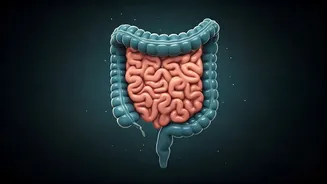
Digestion doesn't start in the stomach; it begins in the mouth. [3, 5] Eating slowly encourages you to chew your food more thoroughly. This mechanical breakdown is the first crucial step in digestion. [3, 10] Proper chewing increases saliva production, which contains enzymes that start breaking down carbohydrates. [5, 8] When food particles are smaller and well-mixed with saliva, it's easier for your stomach and intestines to do their job, leading to better nutrient absorption and a lower risk of digestive discomforts like bloating, gas, and indigestion. [2, 3, 5]
A Powerful Tool for Weight Management
Because slower eating helps you feel full on fewer calories, it can be a natural and effective strategy for weight management. [2, 4] Studies have shown that people who eat quickly are more likely to be overweight. [20] By contrast, taking the time to chew food properly has been shown to decrease calorie intake significantly. One study found that chewing pizza twice as much as usual reduced average calorie intake by nearly 15%. [18] This mindful approach helps regulate appetite and encourages better portion control without the feeling of restriction. [2, 12]
Enhanced Enjoyment and Mindful Eating
Beyond the physical benefits, slowing down transforms your relationship with food. It is a core principle of mindful eating, which involves paying full attention to the experience of eating and drinking. [4, 7] When you aren't rushing, you can better appreciate the flavours, textures, and aromas of your meal, which increases pleasure and satisfaction. [3, 7] This practice helps reduce stress and can help you become more attuned to your body's natural hunger and fullness cues, addressing unhelpful habits like emotional eating or eating out of boredom. [3, 14]
Simple Tips to Start Eating Slower
Incorporating this change doesn't have to be complicated. Start with small, manageable steps. Try putting your utensils down between each bite to create a natural pause. [1, 17] Remove distractions like phones or TV during meals to focus on your food. [1, 13] Aim to chew each mouthful a specific number of times, perhaps 20 to 30. [8, 18] Drinking water with your meal can also help you pace yourself. [17, 18] If you eat with others, try to match the pace of the slowest eater at the table. [1, 13] The goal is to make your meal last for at least 20 minutes to allow your body's fullness signals to catch up. [4]