


Choose a Plant That Forgives
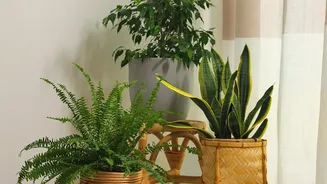
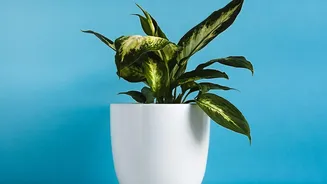
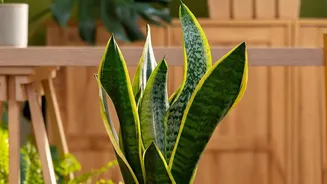
The first step to success is choosing a plant that can handle a little neglect. For beginners, this means picking a hardy, low-maintenance variety that thrives in typical Indian apartment conditions. The Snake Plant is almost indestructible; it tolerates
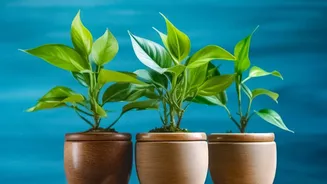
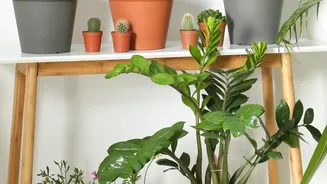
low light and infrequent watering. The ZZ Plant is another excellent choice, known for its glossy leaves and ability to go weeks without water, making it perfect for busy people or frequent travellers. And of course, there's the beloved Money Plant (Pothos), a versatile trailer that adapts well to various light levels and is extremely forgiving. These plants are popular for a reason: they bounce back from common mistakes, building your confidence as you learn.
Simple Lighting Hacks for Any Room
You don't need sun-drenched windows to keep plants happy. Many popular houseplants prefer 'bright, indirect light', which simply means a spot where they can see the sky but aren't in the direct, scorching path of the sun. A simple hack is to place your plant a few feet away from an east-facing window, which provides gentle morning light. If you have strong sunlight, filter it with a sheer curtain. For darker corners, many resilient plants like the ZZ Plant and Snake Plant can survive and even grow under standard artificial lighting, such as a regular desk lamp that's on for several hours a day. The key is to observe: if a plant's leaves look scorched or brown, it's getting too much direct sun. If it's becoming long and 'leggy', it's stretching for more light.
Decoding Your Soil and Watering
Good soil is the foundation of a healthy plant, and the most important factor is drainage. Plant roots hate sitting in water, which leads to root rot. A simple soil hack is to create your own beginner-friendly potting mix. You don't need complex ingredients. A basic, effective mix can be made by combining regular potting soil with materials that improve aeration and drainage, such as coco coir (a sustainable alternative to peat moss) and perlite (small white volcanic rocks). This ensures that excess water runs out, keeping roots healthy. When it comes to watering, the best trick is the simplest: the finger test. Instead of watering on a strict schedule, stick your finger two inches into the soil. If it feels dry, it's time to water. If it's moist, wait a few more days. This one habit prevents the most common beginner mistake: overwatering.
Easy Care Habits for Thriving Plants
Beyond light and soil, a few other simple habits will make a huge difference. Every few weeks, wipe your plant's leaves with a damp cloth. This removes dust, which can block light and hinder photosynthesis, essentially allowing the plant to 'breathe' better. It also helps you inspect for any pests. Another pro-tip is to rotate your plant a quarter turn every time you water it. This ensures all sides of the plant get equal light, promoting even, upright growth instead of having it lean in one direction. Finally, remember that most indoor plants don't need a lot of fertiliser. Feeding them once or twice during the main growing seasons (spring and summer) with a balanced liquid fertiliser is usually plenty.