





The Planet’s Hidden Fever
When we talk about global warming, the number that gets the most attention is the air temperature. It’s a simple, relatable metric. Yet, it’s only a tiny fraction of the story. The real engine of our climate system, and the place where most of the heat
is going, is the ocean. Scientists estimate that the ocean has absorbed more than 90% of the excess heat trapped by greenhouse gases since the industrial revolution. Without this immense buffer, the air around us would be warming at a much more catastrophic rate. This absorbed energy, known as Ocean Heat Content, is relentlessly driving up sea temperatures. June 2026 saw the hottest global sea surface temperatures on record, part of a trend of unprecedented ocean warmth. This isn't just a gentle warming; it manifests as intense and prolonged marine heatwaves that can devastate ecosystems like coral reefs. The Indian Ocean, in particular, is warming faster than any other tropical ocean, a fact that has profound implications for regional weather patterns.
A Faltering Global Refrigerator
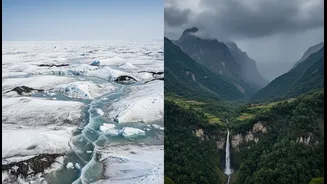
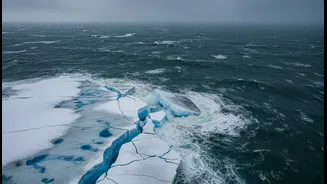
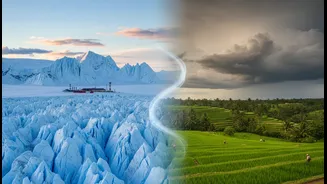
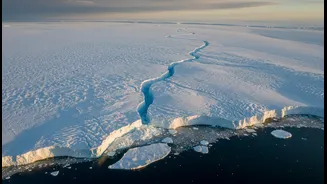
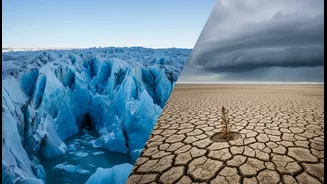
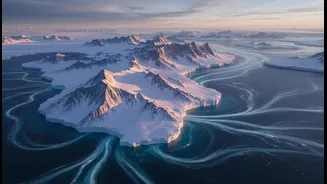
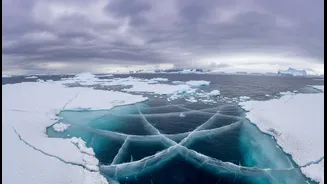
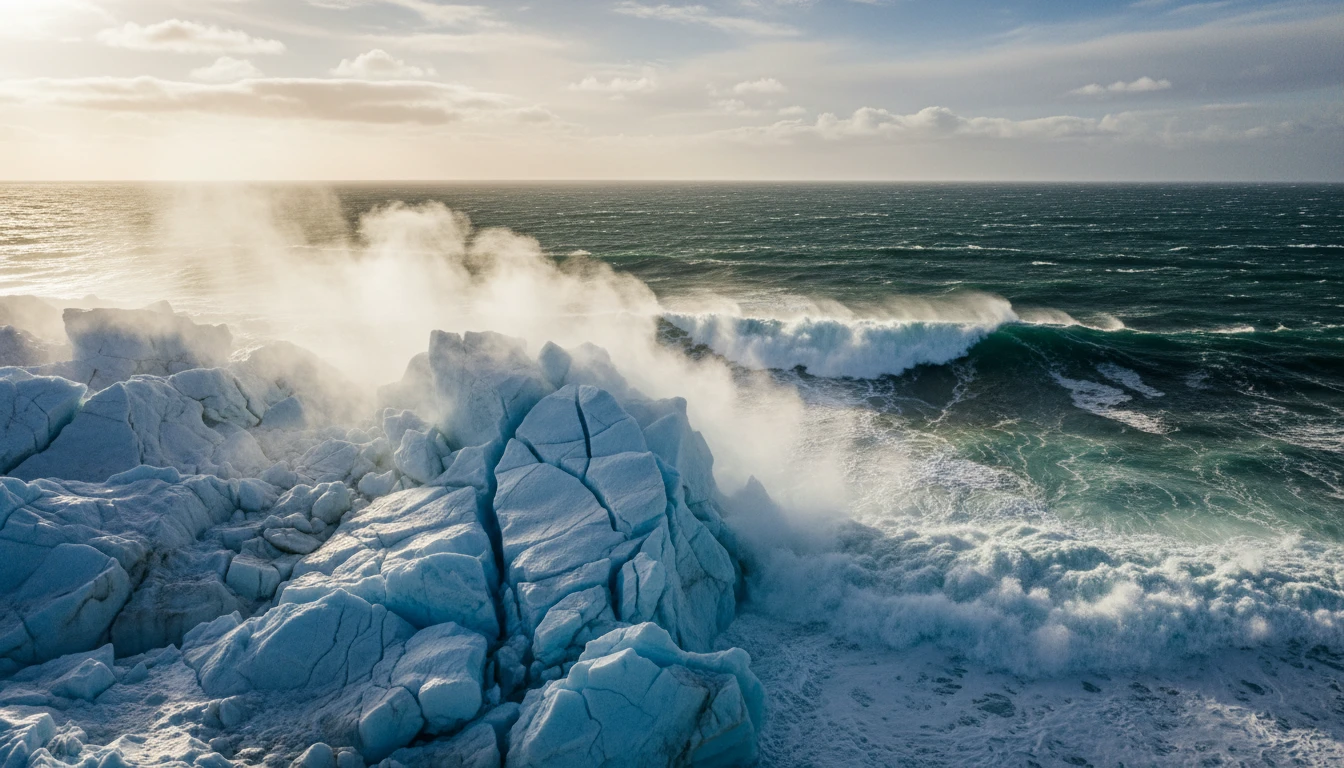
At the planet's poles, our global air conditioning system is breaking down. The cryosphere—the frozen parts of the Earth—plays a critical role in regulating global temperature. Bright white ice and snow reflect about 90% of the sun's energy back into space, a phenomenon known as the albedo effect. But as this ice melts, it exposes the darker land or ocean beneath, which absorbs more heat and accelerates warming in a dangerous feedback loop. We are losing Arctic sea ice at a rate of nearly 13% per decade. The consequences extend far beyond the poles. Meltwater from the massive ice sheets of Greenland and Antarctica is a primary driver of global sea-level rise. Between 2002 and 2023, Greenland shed an average of 270 gigatons of ice per year, with Antarctica losing about 150 gigatons annually. This influx of cold, fresh water into the salty ocean also has the potential to disrupt major ocean currents, which could lead to significant shifts in weather patterns worldwide.
From The Poles To The Peninsula
These massive global changes have direct and significant consequences for India. The health of the Indian Ocean is inextricably linked to the Southwest Monsoon, the lifeblood for the subcontinent's agriculture and water supply. Marine heatwaves in the Indian Ocean can alter atmospheric pressure and wind patterns, in some cases weakening the monsoon winds and leading to drier conditions across parts of India. At the same time, the nation looks north to another critical part of the cryosphere: the Himalayas. Often called the 'Third Pole,' these mountains hold the largest reserve of ice and snow outside of the polar regions. The glaciers here feed major rivers like the Ganges, Indus, and Brahmaputra, which provide water for nearly two billion people. These glaciers are now retreating at an accelerated pace, fueled by rising temperatures and pollutants like black carbon that darken the ice surface, causing it to absorb more heat. In the short term, this rapid melt can cause catastrophic flooding and glacial lake outbursts. In the long term, the shrinking of these glaciers threatens the water security of hundreds of millions who depend on their steady, seasonal meltwater.
A More Complete Conversation
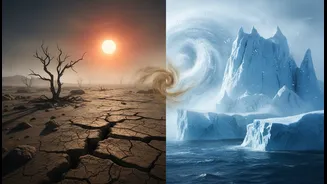
Focusing on daily air temperature records, while important, is like judging a person's health by only taking their temperature, without checking their blood pressure or other vital signs. The true health of the Earth's climate system is revealed in the state of its oceans and ice. These vast, interconnected systems absorb and transport enormous amounts of heat, drive our weather, and dictate long-term climate stability. Their current trajectory—warming, rising, and melting at an accelerating rate—provides the essential context that is often missing from our public discourse on heat. To fully grasp the challenge we face, we must expand the conversation beyond the thermometer and look to the fundamental changes happening in the planet’s largest and most critical climate regulators.