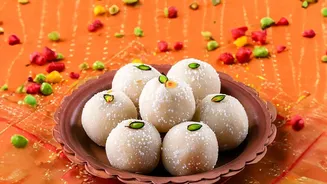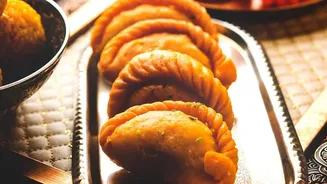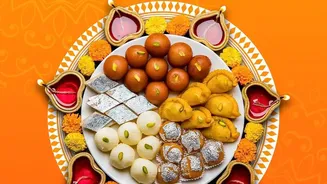

The Devotion of the North: Panjiri and Makhan Paag
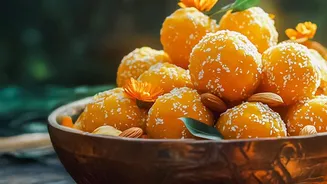
In North India, especially in Uttar Pradesh and Punjab, Janmashtami fasting is often concluded with Dhaniya Panjiri. Unlike the usual wheat-based panjiri, this version is made from roasted coriander seed powder, ghee, powdered sugar, and a generous mix
of dried fruits and nuts. This gluten-free preparation is specifically designed for those who avoid grains during the fast, offering a warm, aromatic, and nutrient-rich prasad. Another northern delicacy is Makhana Paag, made from puffed lotus seeds (makhana). The makhana are roasted until crisp, then coated in a glistening sugar syrup and mixed with coconut and nuts, creating a crunchy, sweet treat that is deeply associated with the festivities in the Braj region, Krishna's childhood home.
Western Wonders: Maharashtra's Gopalkala
In Maharashtra, Janmashtami, or Gokulashtami, is synonymous with the spirited Dahi Handi celebrations. The food that reflects this playful energy is Gopalkala. This dish is a savoury mix of flattened rice (poha), yoghurt (dahi), chopped cucumber, fresh coconut, and simple spices. It is a no-cook recipe that symbolically represents the meal Lord Krishna shared with his cowherd friends. The ingredients are simply mixed together, representing unity and simplicity. Its light, refreshing, and wholesome nature makes it a perfect dish to break the day-long fast and an integral part of the Dahi Handi offerings.
Southern Spice and Sweetness: Seedai and Murukku
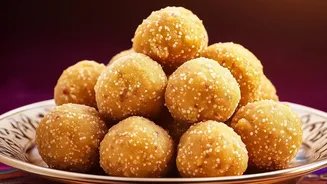
Travel down to Tamil Nadu and Kerala, and the Krishna Jayanthi platter is dominated by a delightful contrast of sweet and savoury fried snacks. The undisputed star is Seedai, tiny, crunchy balls made from rice flour. It comes in two primary forms: Uppu (salt) Seedai, which is savoury and spiced, and Vella (jaggery) Seedai, which is sweet. Preparing these requires skill, as the dough must be perfect to prevent the seedai from bursting in hot oil. Alongside seedai, various forms of Murukku (also called Chakli) are staples. These crunchy, spiral-shaped snacks are made from rice flour and urad dal flour and are a testament to the region's love for intricate, flavourful savouries during festival time.
Eastern Flavours: Bengal's Taler Bora
In West Bengal and other eastern states like Odisha, the festival's flavour is distinctly local. Here, Janmashtami coincides with the ripening of the palmyra palm fruit (taal). This seasonality is celebrated with Taler Bora, sweet fritters made from the ripe fruit's pulp. The fragrant pulp is mixed with rice flour, grated coconut, and sugar or jaggery, then deep-fried into small, golden-brown balls. These fritters are soft, dense, and carry the unique, unmistakable flavour of the palmyra fruit. It's a beautiful example of how regional ecology and seasonal produce are woven into devotional offerings, creating a taste that is unique to this part of India.
The Universal Prasad: Panchamrit and Makhan Mishri
While regional specialties abound, some offerings are universal across India. Panchamrit, a sacred concoction of five nectars—milk, yogurt, honey, ghee, and sugar—is prepared everywhere for the ritual bathing of the infant Krishna idol. This holy mixture is then distributed as prasad. And no Janmashtami is complete without Makhan Mishri, a simple yet profound offering of fresh white butter mixed with rock sugar. This dish directly honours Krishna's famous love for butter, earning him the affectionate name 'Makhan Chor' or butter thief. It is the most direct edible link to the stories of his childhood, cherished by devotees everywhere.