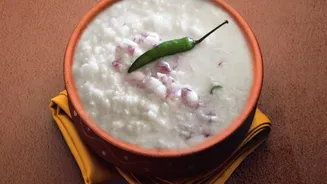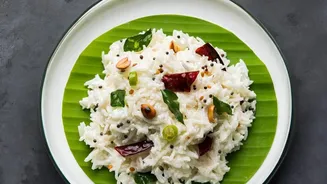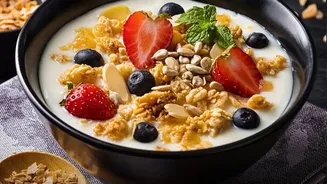


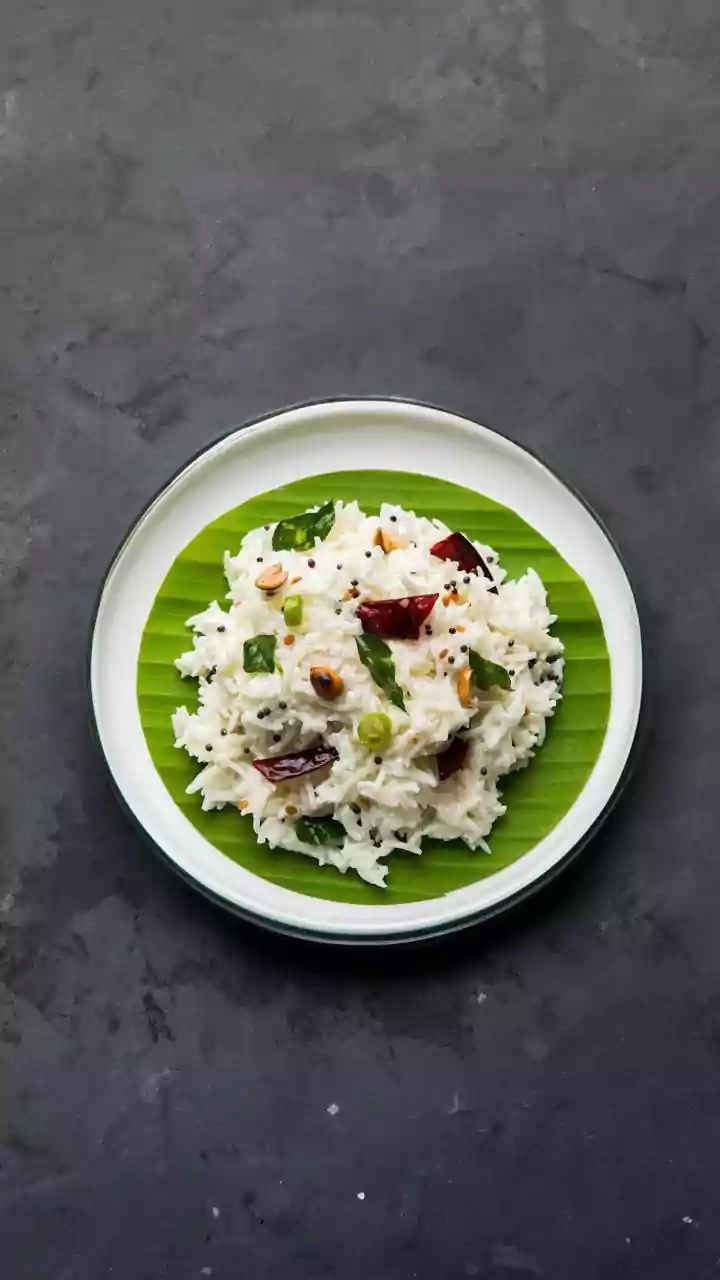


As winter arrives, a familiar debate enters Indian kitchens: is it safe to eat curd? Many fear it causes colds, but the truth is more nuanced. The answer lies not in the weather, but in understanding your own body and how you consume this staple.
The Age-Old Winter Warning
In many
Indian households, the belief that curd, or dahi, should be avoided during winter is passed down through generations. The conventional wisdom is that curd has a 'cooling' effect on the body, which can lead to coughs, colds, and an increase in mucus production. This often leads people to give up their favourite probiotic-rich food just when their immunity might need a boost. This cautionary advice is especially emphasized for children and the elderly, and particularly against consuming it at night. But modern science and a deeper look at Ayurveda reveal a more complex and reassuring picture.
What Modern Science Says
From a scientific standpoint, the idea that eating cold food causes a cold is a myth. Colds and coughs are caused by viruses, not by the temperature of your food. In fact, curd is a powerhouse of nutrition that can be incredibly beneficial during winter. It is packed with probiotics, the good bacteria that support a healthy gut. A strong gut microbiome is directly linked to a robust immune system, which is your body's primary defence against winter illnesses. Furthermore, curd is an excellent source of calcium, protein, Vitamin B12, and phosphorus, all of which are vital for overall health, bone strength, and maintaining energy levels. Studies have shown that the probiotics in fermented dairy products may even help reduce the risk and duration of respiratory infections.
The Ayurvedic Perspective Is Nuanced
Ayurveda's view on curd is often misunderstood as a simple 'no' in winter. The ancient science actually classifies curd as 'ushna' or heating in potency, contrary to popular belief. However, it is also heavy to digest and can increase Kapha dosha, the bodily humour associated with mucus, heaviness, and congestion. This is why Ayurveda advises against it for individuals who are already prone to asthma, sinus issues, or coughs. The key, according to Ayurveda, isn't complete avoidance but mindful consumption. The rules are specific: avoid curd at night when digestion is weaker and Kapha naturally increases in the body. Consuming it during the day, especially around lunchtime when digestive fire (agni) is strongest, is considered ideal.
It’s About You, Not Just The Season
This is where the headline's wisdom rings true. The decision to eat curd in winter depends heavily on your individual constitution and health status. If you are prone to respiratory issues like asthma or frequent colds, you might be more sensitive to the Kapha-increasing properties of curd, especially if it's eaten cold or at night. For such individuals, it may be wise to limit or avoid it. However, if you have a strong digestive system and no history of such ailments, there is no scientific or traditional reason to banish curd from your diet. Listening to your body is paramount. If you feel fine after eating curd, it is likely not harming you. If you feel sluggish or congested, it might be a sign to adjust how or when you eat it.
How to Enjoy Curd Safely in Winter
If you love curd and want to continue enjoying its benefits through the winter, a few simple adjustments can make all the difference. First, avoid eating curd straight from the refrigerator; let it come to room temperature before consumption. Second, the best time to have it is during the day, preferably with your lunch. Avoid it after sunset or as a late-$night snack.' Third,' you can balance its properties by adding spices.' A pinch of roasted cumin powder,' black pepper,' or ginger powder can aid digestion and counteract its mucus-$forming tendencies.' Another great option is to have it in the form of buttermilk (chaas),' which is lighter and easier to digest.