




The Concrete Cradles We Live In
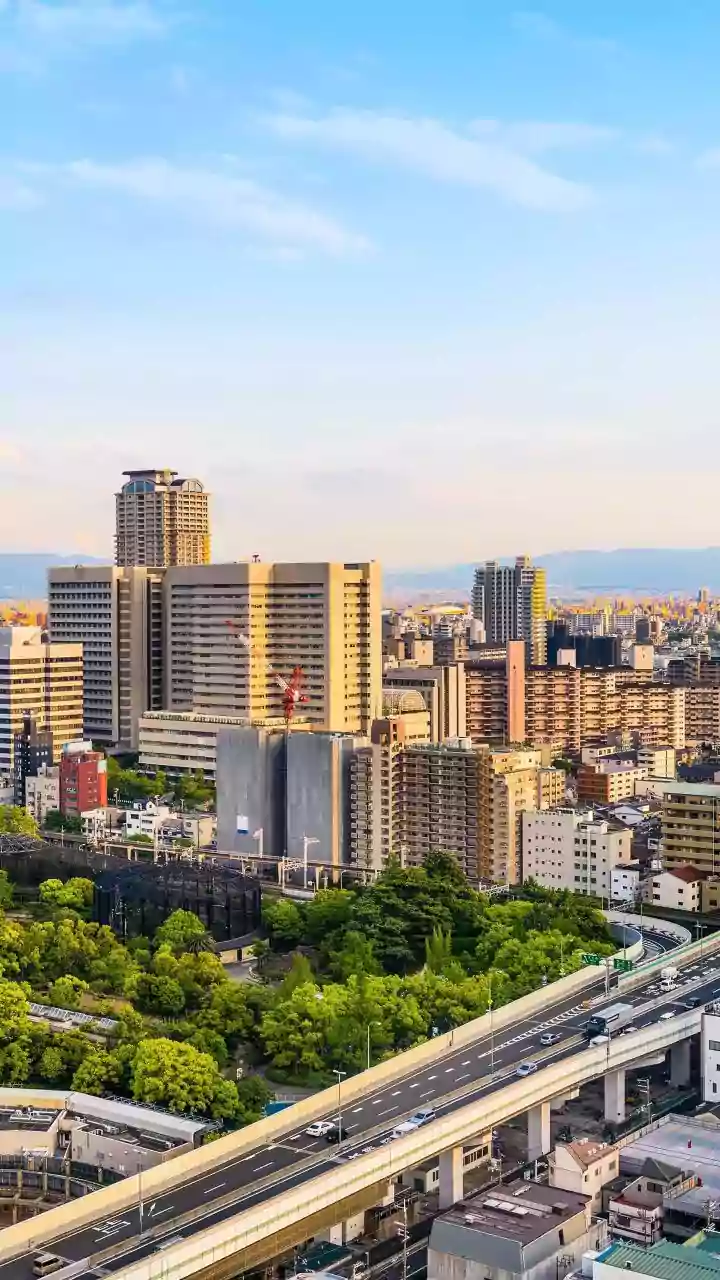
As cities like Pune, Lucknow, Jaipur, and Chandigarh race towards the future, they are transforming at an incredible pace. Farmland, green spaces, and water bodies are rapidly being replaced by concrete buildings, asphalt roads, and sprawling infrastructure.
This process, known as urbanization, fundamentally changes the local environment, creating what scientists call a 'microclimate'. Unlike the surrounding rural areas, which have ample soil and vegetation to absorb and release heat naturally, our cities are becoming giant heat sponges. This phenomenon, called the Urban Heat Island (UHI) effect, is making our urban centres significantly warmer than the countryside, especially after the sun goes down.
How Our Cities Became Ovens
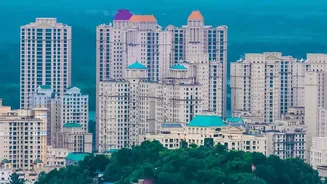
The science is straightforward. Dark materials like tar roads and concrete absorb a massive amount of solar radiation during the day. Natural surfaces, like grass and trees, do this too, but they also cool their surroundings through shading and a process called evapotranspiration, where they release water vapour. Concrete and asphalt, however, just keep soaking up the heat. When night falls, they slowly radiate this stored energy back into the air, preventing the city from cooling down. The dense clusters of tall buildings in many new developments can also trap this heat by blocking wind flow, creating 'urban canyons' that stay warm long into the night. The result is that nighttime temperatures in some dense urban areas can be several degrees higher than in nearby green belts.
The Science of a Bad Night's Sleep
This constant, low-level heat has a profound and often unnoticed impact on our health: it ruins our sleep. For our bodies to initiate and maintain deep, restorative sleep, our core temperature needs to drop slightly. Warmer ambient temperatures make this process much harder. When your bedroom remains warm throughout the night, your body struggles to cool down, leading to more frequent awakenings, restlessness, and a significant reduction in the amount of time you spend in the most critical phase—deep sleep. This isn't just about feeling tired the next day. Chronic loss of deep sleep is linked to a host of health issues, including weakened immunity, high blood pressure, and decreased cognitive function.
Why Tier 2 Cities Are So Vulnerable
While megacities like Delhi and Mumbai have long grappled with the Urban Heat Island effect, the problem is accelerating dramatically in Tier 2 cities. The rapid, and sometimes poorly planned, expansion means there's often a stark and sudden loss of green cover without adequate replacement. Housing in these areas may also feature materials like concrete and tin that are excellent at absorbing and retaining heat, making homes uncomfortably warm, especially for those without access to air conditioning. This combination of fast-paced development and infrastructure that isn't always designed for heat resilience is creating a perfect storm for warmer nights and a population struggling with sleep deprivation.
Reclaiming Our Nights and Cities
The good news is that this trend is not irreversible. Urban planners and city governments have several tools to combat the heat island effect. Increasing urban green spaces by planting more trees, building more parks, and encouraging green roofs can provide much-needed shade and natural cooling. Using lighter-coloured, more reflective materials for roads and rooftops—often called 'cool roofs'—can reflect sunlight instead of absorbing it, significantly lowering surface temperatures. Promoting building designs that allow for better ventilation and airflow can also help dissipate trapped heat. These strategies not only cool our cities but also make them more pleasant, sustainable, and healthier places to live.