



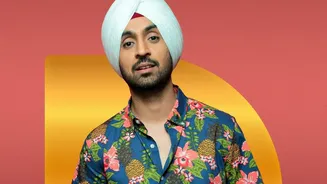

A Stage for Legends
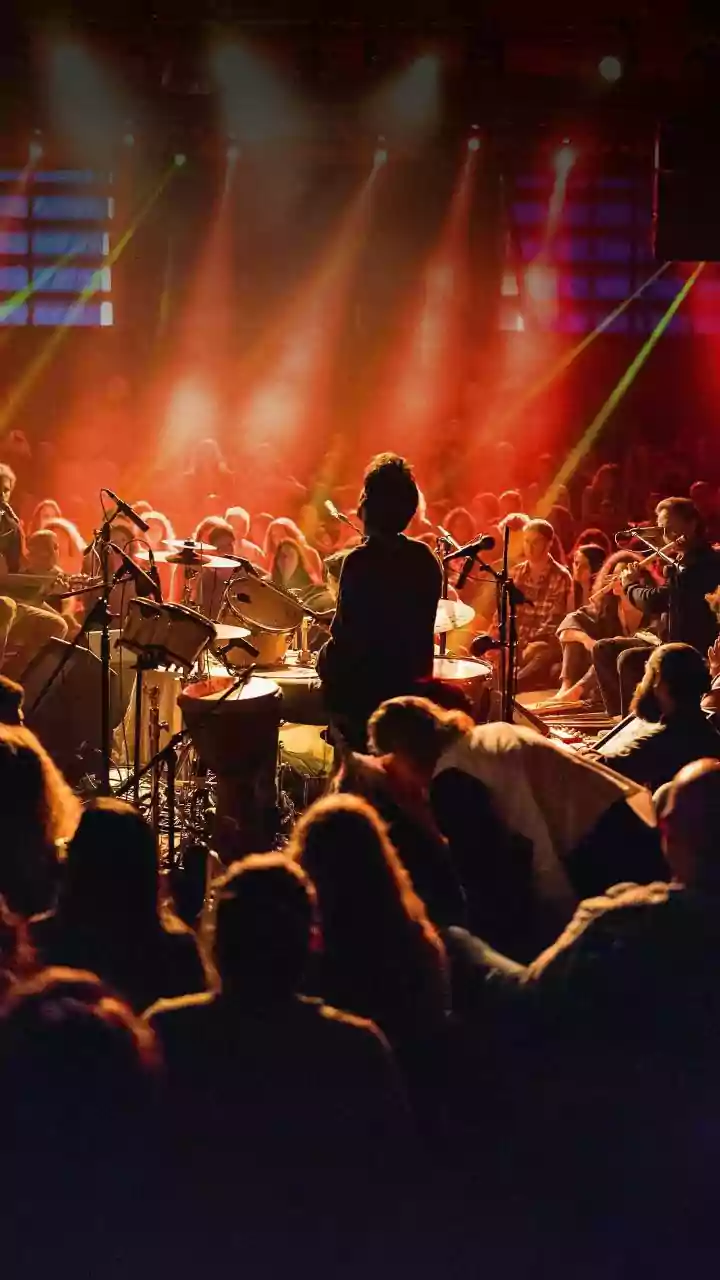
During his recent global tours, Diljit Dosanjh has made it a point to honour the giants of South Asian music. In Manchester, he paid a powerful tribute to the legendary Amar Singh Chamkila by performing the iconic “Pehle Lalkare Naal”. At London's historic
Wembley Stadium, he moved the audience with his rendition of Ustad Nusrat Fateh Ali Khan’s classic qawwali, “Sanson Ki Mala”. These weren't just songs added to a setlist; they were carefully chosen moments of reverence. Before performing, Dosanjh often takes a moment to acknowledge the original artists, stating that the energy on stage belongs not just to him, but to the legends who paved the way, including Chamkila, Gurdas Maan, and Kuldeep Manak. This act of paying homage transforms a modern pop concert into a living archive of musical history.
The Chamkila Connection
The tribute to Amar Singh Chamkila holds a special significance. After portraying the iconic and controversial singer in Imtiaz Ali’s 2024 biographical film, Dosanjh has developed a deep connection to his story and music. Chamkila, known for his raw, energetic performances and poignant songwriting, remains a titan of Punjabi folk music decades after his tragic assassination at the age of 27. When Dosanjh performs a Chamkila classic, it’s not merely an artist covering another. It is the actor who brought his story to a global audience, now carrying his musical torch onto international stages. This gesture serves a dual purpose: it honours a legend and introduces Chamkila's revolutionary sound to a new generation of listeners who may only know him through the film.
More Than a Cover Song
What makes these performances so powerful is their sincerity. Dosanjh himself has spoken about the difficulty and responsibility of tackling a song by an artist like Nusrat Fateh Ali Khan, admitting that his attempt came purely from love and admiration for the maestro. This humility resonates with audiences. Rahat Fateh Ali Khan, the nephew of the late legend, even praised Dosanjh's performance, noting that he did justice to the iconic work and appreciated the tribute on a large international platform. This isn't about outdoing the original; it's about reinterpretation with respect. Dosanjh infuses his own style while keeping the soul of the original intact, creating a bridge between the past and the present. He’s not just singing a song; he’s continuing a conversation started decades ago.
Uniting Generations and Borders
These tributes have a profound ripple effect. For older generations, hearing a classic song reinvented on a global stage is a moment of cultural pride and nostalgia. For younger fans, it’s a gateway to discovering the rich history of Punjabi and South Asian music. By performing songs by Pakistani legends like Nusrat Fateh Ali Khan and Musarrat Nazir, whose “Mera Laung Gawacha” he also performed, Dosanjh blurs cultural and geographical borders, reminding everyone of a shared artistic heritage. This act of unity has become a signature part of his performances, as seen in his heartfelt tributes to the late Sidhu Moose Wala, where he called for the Punjabi community to stand together. These moments reinforce his status not just as an entertainer, but as a cultural ambassador who understands the power of music to connect and heal.