

Beyond the World of Milky Chai
In a nation devoted to milk-based chai, the concept of tea without milk can seem almost foreign. Yet, in the high-altitude regions of the Himalayas, from Uttarakhand to Ladakh, milk-free infusions are not a modern trend but an ancient way of life. This
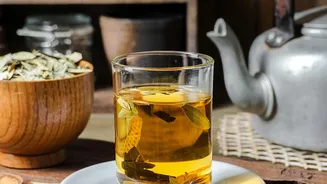
tradition is rooted in the landscape itself. In these demanding environments, local communities developed a deep reliance on the wild herbs, flowers, and leaves growing around them. These plants weren't just for flavour; they were a source of wellness, used for everything from aiding digestion to boosting immunity and reducing fatigue. Unlike the pastoral plains where dairy is a staple, Himalayan culinary traditions often prioritised turning milk into longer-lasting products like butter and cheese. Simple, water-based infusions were a direct and efficient way to extract the benefits of the local flora.
A Pharmacy in a Cup
Himalayan herbal infusions are, at their core, a form of traditional medicine. Long before modern remedies were accessible, the region's inhabitants used their ancestral knowledge to create brews that addressed the challenges of mountain living. Plants that grow at high altitudes often develop a higher concentration of active compounds to survive the harsh climate, making them particularly potent. These infusions are often naturally caffeine-free and are consumed for their functional benefits. For instance, certain herbs are used to soothe the throat in the dry, cold air, while others are believed to help the body adapt to lower oxygen levels. This approach turns every cup into a wellness ritual, a practice of connecting with nature for health and balance.
Stars of the Himalayan Brew
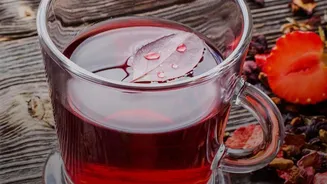
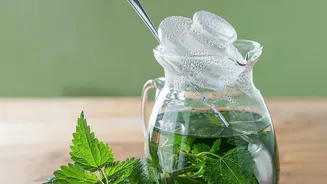
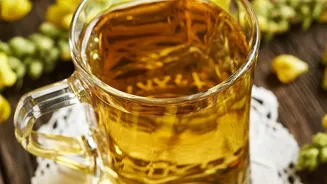
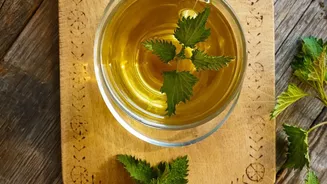
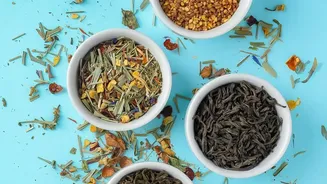
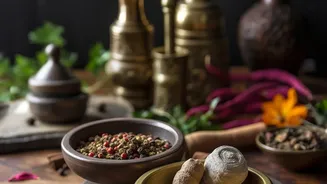
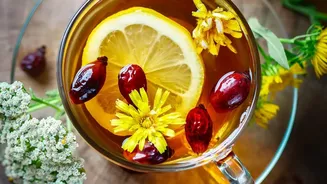
Among the dozens of botanicals used, a few stand out. Buransh, the vibrant red flower of the Rhododendron tree, is one of the most iconic. Handpicked and sun-dried, its petals produce a ruby-hued, caffeine-free infusion with a slightly sweet, floral taste. Traditionally, it is consumed as a refreshing summer cooler and is prized for its heart-health benefits. Another celebrated ingredient is Sea Buckthorn. While its bright orange berries are famous, the leaves are also brewed into an earthy, tangy tea. Packed with antioxidants, this infusion is a nutritional powerhouse, known for aiding digestion, boosting immunity, and even helping to detoxify the liver. Other popular infusions feature Himalayan Tulsi, Nettle, and Lemongrass, each offering a unique flavour profile and a distinct set of wellness properties.
An Authentic Taste of the Terroir
What makes these infusions a true culinary treasure is their 'terroir'—the unique environment in which they grow. The clean mountain air, mineral-rich soil, and slow growth cycle in the cold climate all contribute to herbs with complex flavours and enhanced potency that cannot be replicated elsewhere. This is why adding milk would be counterproductive; it would mask the delicate, nuanced aromas and tastes of the herbs themselves. In fact, for many of these teas, specifically those containing catechins, adding milk can bind to the beneficial compounds and reduce their absorption by the body. Brewing these herbs simply with hot water allows their true essence to shine through, offering a pure expression of the Himalayan landscape.
Preserving a Liquid Legacy
As interest in natural wellness and authentic regional cuisines grows, these Himalayan herbal infusions are finding a new audience across India and the world. This growing appreciation is helping to support the local communities and women-led self-help groups who are the traditional custodians of this knowledge. By choosing these ethically harvested and hand-processed infusions, consumers are not just buying a beverage; they are helping to preserve a rich cultural heritage and promote sustainable livelihoods in the mountains. It's a tradition that reminds us of a simpler, more direct relationship between nature and nourishment, where wellness comes not from a bottle, but from a brew of wild-growing flowers and leaves.