




The End of 'Tick-Box' Tourism
We’ve all seen the itineraries: five European capitals in ten days, a whirlwind tour of Southeast Asia in two weeks. This approach, often called 'tick-box' tourism, prioritises quantity over quality. The goal becomes collecting destinations rather than
experiencing them. You might get the photo in front of the Eiffel Tower, but do you remember the taste of the croissant from the corner bakery? By choosing to visit fewer places, you give yourself the gift of time. Instead of rushing from one landmark to another, you can wander without a map, discover a hidden alley, or spend an entire afternoon in a café, simply watching the world go by. This shift from seeing to experiencing is where the real magic of travel lies. It transforms a trip from a frantic checklist into a collection of genuine memories.
Deeper Connections, Richer Experiences
When you’re not in a hurry, you start to notice the details. You can build a rapport with the owner of your favourite local restaurant, learn a few phrases in the local language beyond 'hello' and 'thank you', and truly begin to understand the rhythm of a place. Staying in one location for a longer period allows you to move past the tourist facade and connect with the culture on a deeper level. You might take a local cooking class, visit a neighbourhood market multiple times, or attend a community event. These are the experiences that superficial, multi-city trips rarely afford. This kind of 'slow travel' fosters a sense of belonging, even if it’s temporary. The memories you make are not just of sights, but of people, flavours, and feelings—the very essence of what makes a place unique.
Less Planning, More Spontaneity
The mental load of planning a complex, multi-destination trip can be immense. Coordinating flights, trains, hotels, and tours can feel like a full-time job before you’ve even packed your bags. The result? You arrive at your destination already exhausted and locked into a rigid schedule that leaves no room for spontaneity. By contrast, a trip focused on one or two locations requires far less logistical juggling. You can book your main accommodation and leave the rest open. This freedom allows you to make decisions based on your mood, the weather, or a recommendation from a local you just met. Want to spend another day hiking in the hills because they’re just too beautiful? Go for it. Feel like ditching the museum for a lazy day on the beach? You can. Reducing the planning stress is a form of relaxation in itself, ensuring your holiday actually feels like one.
Rediscovering Your Own Backyard
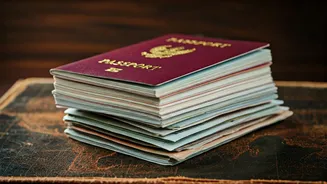
The concept of 'less travel' doesn't just apply to international trips. How much of your own state or country have you really explored? The pressure to fly to exotic locales often makes us overlook the incredible destinations right on our doorstep. A weekend trip to a nearby national park, a day exploring a historic town a few hours away, or even a 'staycation' where you become a tourist in your own city can be surprisingly refreshing. Local travel eliminates the jet lag, high costs, and environmental impact of long-haul flights. It encourages you to see your own region with fresh eyes and appreciate the culture, food, and landscapes that you might otherwise take for granted. You’ll be surprised at the hidden gems you can find when you’re not focused on getting a new stamp in your passport.
It's Lighter on Your Wallet and the Planet
Let’s be practical: constant, far-flung travel is expensive. Flights, multiple hotel check-ins, and currency conversions all add up. By travelling less frequently or staying in one place longer, you can significantly cut costs. Renting an apartment for a week is often cheaper than booking seven nights in a hotel, and it gives you a kitchen to prepare some of your own meals, saving money on dining out. Moreover, the environmental toll of aviation is substantial. Fewer flights mean a smaller carbon footprint. This mindful approach to travel isn’t just good for your well-being; it’s also a more sustainable and financially savvy way to see the world. It proves that a fun, enriching travel experience doesn’t have to break the bank or harm the environment.