







The Morning's Searing Embrace
Monday began on a familiar, uncomfortable note for Delhiites: intense heat and stifling humidity. With temperatures soaring towards 40-42 degrees Celsius, the day started with the promise of being another scorcher. [7] The city has been reeling under
oppressive conditions, with Sunday recording the warmest morning in two years and a 'feels-like' temperature that crossed 50 degrees Celsius. [5, 8] This extreme heat is a result of a delayed monsoon, which typically arrives around June 27, and the dominance of dry, hot westerly winds from Pakistan and West Asia. [6, 12] This combination has kept both actual temperatures and humidity levels punishingly high, creating a heatwave-like situation that leaves residents exhausted before the day has even properly begun. [16]
The Afternoon's Cloudy Turn
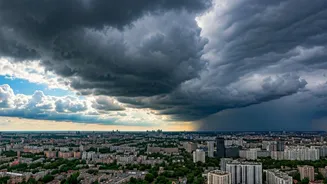
Just when residents might have resigned themselves to a full day of unrelenting heat, the forecast holds a twist. The India Meteorological Department (IMD) has predicted a change for the latter half of the day. [4] The forecast includes partly cloudy skies with a chance of very light to light rain, accompanied by thunderstorms and strong surface winds gusting up to 50 kmph towards the afternoon or evening. [4, 7] This 'split personality' is a hallmark of the pre-monsoon and monsoon-onset phases. It's the atmospheric equivalent of a tug-of-war, and Delhi is right in the middle of it.
The Science of the Tug-of-War
So, what’s causing this meteorological duel? It’s a clash of two massive air systems. On one side, we have the hot, dry westerly winds that have been causing the heatwave. [6] On the other, moisture-laden southwesterly winds from the Arabian Sea are trying to push inland, heralding the coming monsoon. [6] As these two air masses meet over North India, the moisture is forced to rise, forming towering clouds that can lead to short, intense bursts of rain and thunderstorms, often called 'pre-monsoon showers'. [6, 12] The monsoon itself has been delayed because the low-pressure systems that typically form over the Bay of Bengal and pull the monsoon trough northward have been absent. [12] This has allowed the dry westerlies to dominate for longer than usual. [12]
Relief, with a Side of Chaos
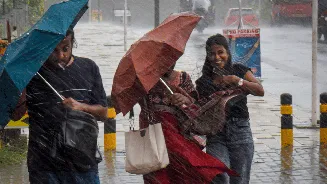
While the prospect of rain brings hope for relief from the heat, it's a double-edged sword for a bustling metropolis like Delhi. A sudden downpour, even a light one, can provide a welcome, albeit temporary, drop in temperature and help clear the air of pollutants. However, it often comes at the cost of waterlogged streets, snarled traffic, and disruptions to daily life. These pre-monsoon thunderstorms are often intense and localized, dumping a significant amount of rain in a short period, which can overwhelm the city's drainage systems. For commuters, it means trading the sweat of the heat for the frustration of being stuck in a jam as the skies open up.
What's Next for Delhi's Weather?
Don't put away your umbrella or your sunscreen just yet. This pattern of hot mornings and potential evening storms is likely to continue for a few more days. The IMD has issued a 'yellow alert' for rain and thunderstorms for the next couple of days, with temperatures expected to gradually dip below 40 degrees by the middle of the week. [8, 9] The full monsoon is now expected to make its formal, albeit delayed, entry into Delhi in the first week of July. [6, 15] Until then, residents should be prepared for this daily weather battle: bracing for the heat while keeping an eye on the clouds for that much-anticipated, and sometimes chaotic, relief.