




The Apartment-Friendly Pet
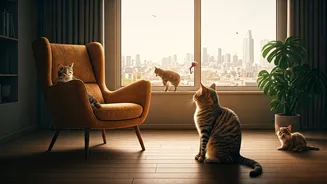
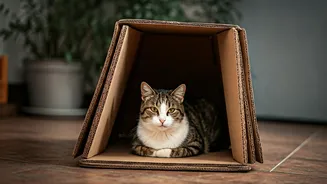
Let’s start with the obvious: space. In a city where square footage is a luxury, the compact, self-contained nature of a cat is a significant advantage. Unlike dogs that require ample room to roam, daily walks, and outdoor space for exercise, cats are perfectly
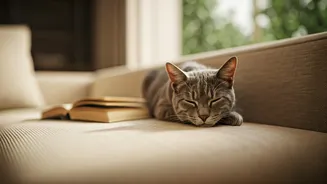
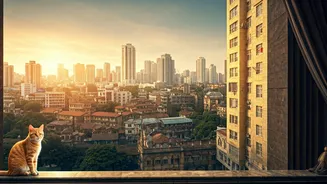
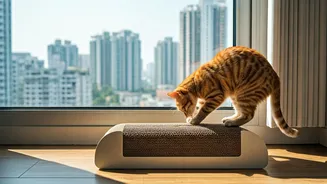
content in smaller living quarters. They are vertical creatures, finding joy in climbing a cat tree or lounging on a windowsill, effectively maximising the limited space of a typical Mumbai flat. This makes them an ideal companion for the millions living in apartments, who might otherwise feel they don't have the capacity to care for a pet. For many Mumbaikars, choosing a cat isn't just about preference; it's a practical decision that aligns perfectly with the realities of urban living.
A Match for the Modern Mumbaikar
Mumbai’s work culture is demanding, with long commutes and even longer work hours. This is where the cat’s independent streak shines. While they form deep bonds with their humans, cats don't demand constant attention in the same way dogs do. They are masters of self-entertainment and are generally comfortable being left alone for extended periods, as long as they have food, water, and a clean litter box. This low-maintenance disposition is a massive draw for young professionals, couples, and anyone juggling a hectic schedule. A cat offers companionship and affection on the human’s terms, ready for a cuddle at the end of a long day without the guilt or pressure of needing multiple walks or constant supervision.
From Superstition to Social Media Star
There has been a palpable cultural shift in the perception of cats in India. The age-old superstitions that once cast them as bad omens or aloof creatures are rapidly fading, especially among the urban, educated population. A huge catalyst for this change has been the internet. Social media is saturated with viral videos, memes, and celebrity pet accounts that showcase the goofy, affectionate, and charming side of cats. This digital exposure has demystified feline behaviour and rebranded them as desirable, trendy companions. When potential pet parents see endless streams of content highlighting the joys of cat ownership, it erodes outdated prejudices and builds a new, positive narrative.
The Rise of the Rescue Community
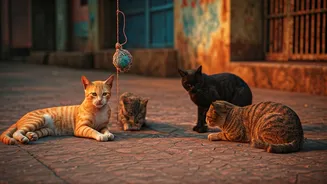
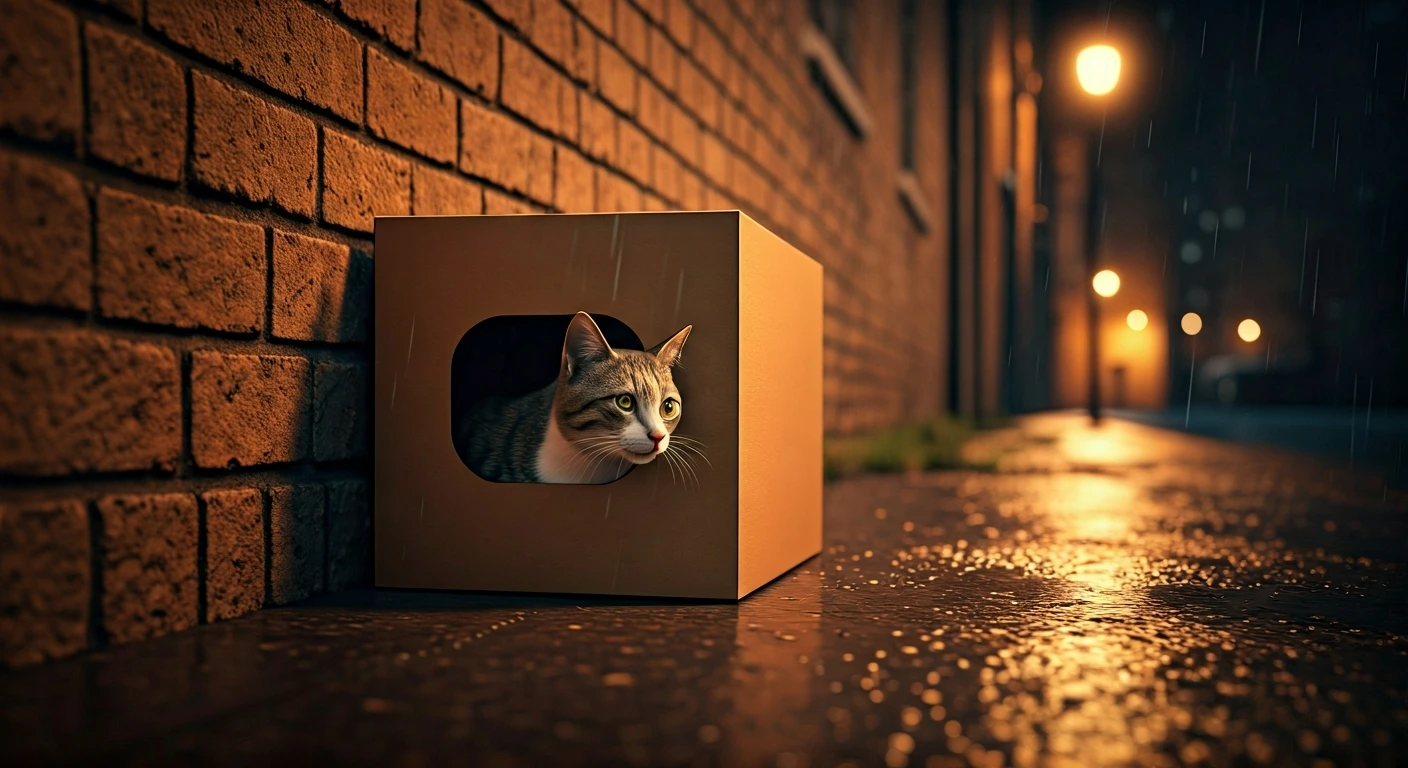
The growing preference for cats isn't happening in a vacuum. It's being actively nurtured by a robust and passionate network of animal rescuers, NGOs, and foster volunteers across Mumbai. Organisations like The Feline Foundation, World For All, and countless independent rescuers work tirelessly to save, rehabilitate, and rehome stray and abandoned cats. They use social media platforms like Instagram and Facebook to run compelling adoption appeals, share success stories, and educate the public about responsible pet ownership. This grassroots movement has made the process of adoption more accessible and transparent. By championing the "adopt, don't shop" philosophy, they have instilled a sense of social responsibility in prospective pet owners, making the act of giving a home to a rescued indie cat a badge of honour.
The Indie Advantage
While purebred cats have their admirers, there is a strong and growing appreciation for the resilience and charm of the Indian domestic cat, or 'indie'. These cats are genetically adapted to the local climate, making them hardier and less prone to the health issues that can plague exotic breeds. They are intelligent, adaptable, and come in a stunning variety of colours and patterns. Animal welfare advocates have successfully highlighted that love and companionship aren't tied to a pedigree. Adopting an indie cat is not only more economical but is also seen as a more ethical choice, directly helping to alleviate the stray animal crisis on the city's streets.