






1948 Hockey Gold: A Symbol of New Freedom
Just a year after Independence, India won its first Olympic gold as a free nation, beating Great Britain 4-0 in the hockey final in London. The victory was immense, but its real story lies in the symbolism. Before 1948, the British team had reportedly
refused to play against India, a colony. In the final at Wembley, they had no choice. This was more than a game; it was a statement. The Indian team, featuring legends like Balbir Singh Sr. and Leslie Claudius in their first Olympics, played on a rain-soaked pitch, demonstrating superior skill. Balbir Singh Sr., who scored two goals in the final, was even dropped for a preliminary match to give another player a chance at a medal, highlighting the team's camaraderie. When the Indian tricolour was hoisted at Wembley, it marked a powerful moment of a new nation asserting its identity on the world stage, on the soil of its former rulers.
1952 Bronze: The Medal Funded by a Community
Long before government grants and corporate sponsorships became the norm, wrestler Khashaba Dadasaheb Jadhav won independent India's first individual Olympic medal. His bronze at the 1952 Helsinki Games was a victory born from pure community spirit. After being overlooked by officials, Jadhav's journey to the Olympics was funded not by the state, but by his village and his college principal. The principal, Mr. Khardekar, mortgaged his own house to raise Rs. 7,000 for Jadhav's travel. The wrestler, known as the 'Pocket Dynamo', was unfamiliar with wrestling on international mats, having trained in traditional clay pits. During the Olympics, after a grueling bout, he was controversially asked to fight again within minutes against a rested Soviet opponent, a situation an Indian official might have contested had one been present. Despite the odds, his points tally secured him the bronze, a medal that truly belonged to the people who believed in him.
1983 World Cup: The Underdogs Who Had to Find Dinner
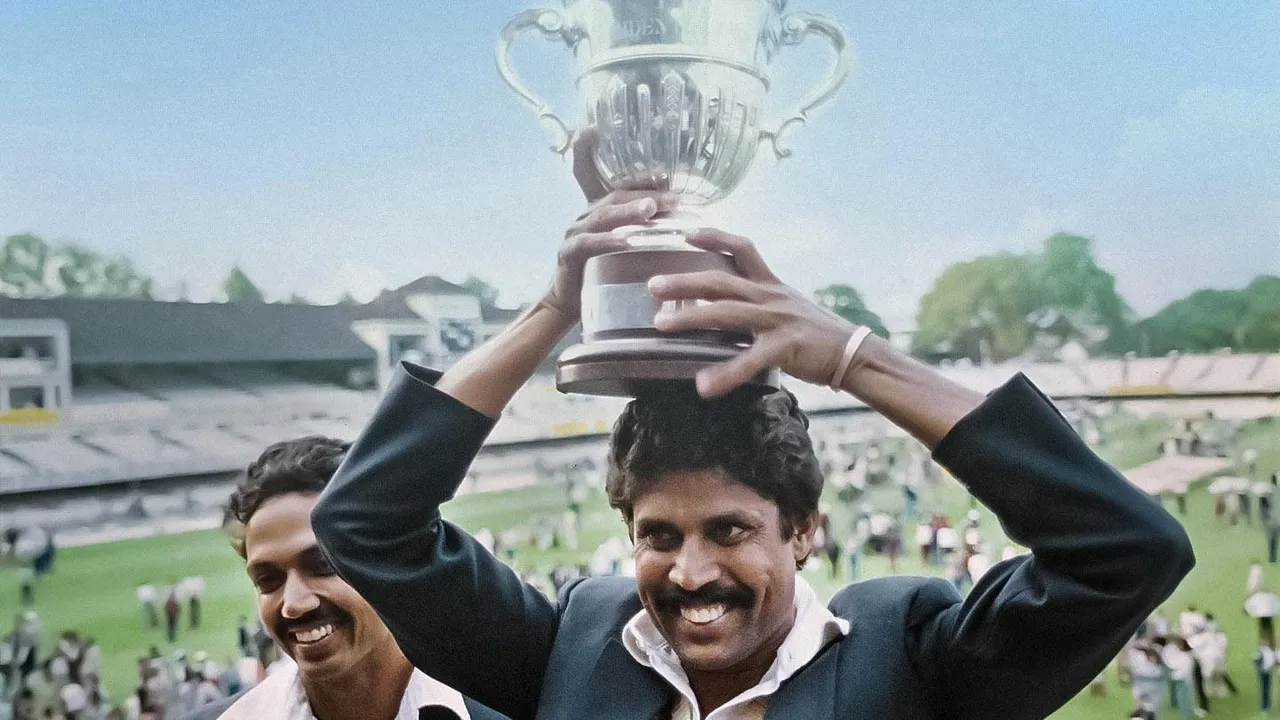
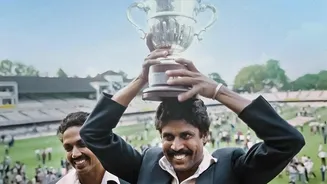
India’s 1983 Cricket World Cup victory is legendary, but the team's status as underdogs was an understatement. The odds against them winning were 66-1. The team travelled to England without a doctor, a physio, or even a dedicated coach; senior players like Mohinder Amarnath helped with strategy. The financial situation was so dire that after their historic win, a celebratory concert by Lata Mangeshkar was organised to raise funds to pay the players, with each receiving Rs 1 lakh. The night of the final itself was a comedy of errors. The triumphant team couldn't find a restaurant open for dinner and had to celebrate with burgers. Later, their team bus driver was fined by London police for working past his shift hours, and the world champions had to give autographs to the officer before being handed a fine. This win wasn't just an upset; it was a triumph of a resourceful, unfancied team that literally had to earn their reward after winning it.
2008 Gold: A Last-Minute Gun Repair
Abhinav Bindra’s 10m air rifle gold at the 2008 Beijing Olympics, India’s first individual gold, is a story of meticulous planning. What is less known is how close it came to unravelling. Just minutes before the final, Bindra discovered that the sight of his rifle had been tampered with. In the five-minute gap between the trial and the final round, a calm Bindra had to make crucial adjustments to his equipment. This last-minute crisis could have derailed years of preparation. Yet, he not only fixed the issue but went on to shoot his highest score of the day in the final. His victory was a testament not just to his skill but to his incredible mental fortitude under pressure. He had spent years simulating final-day conditions, even climbing a 40-foot pizza pole to conquer his fears, all for that one moment. The gold medal was a reward for a process that accounted for every possibility, including near-disaster.