





The Core of Market Flavour
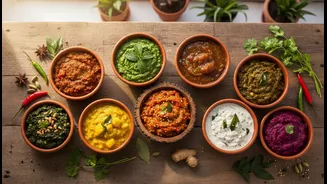
The quintessential taste of market chutney comes from a masterful balance of four key flavour profiles: tangy, spicy, sweet, and salty. This isn't just about throwing ingredients together; it's a harmony. Authentic Indian chutneys are designed to elevate
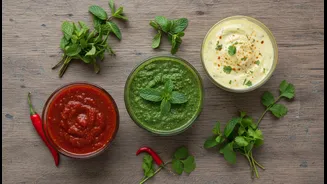
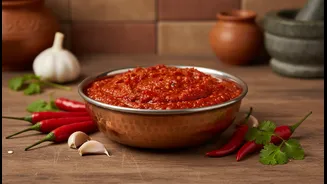
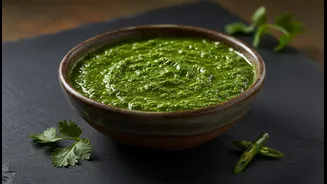
a dish, providing a burst of flavour that cuts through richness and complements the main components. For the vibrant green chutney, the freshness comes from coriander and mint leaves. For the classic sweet and sour red or brown chutney, the foundation is typically tamarind, often balanced with the sweetness of dates or jaggery. Understanding this balance is the first step to moving beyond a simple home-blended sauce to a true market-style condiment.
Mastering Green Chutney
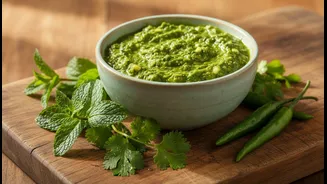
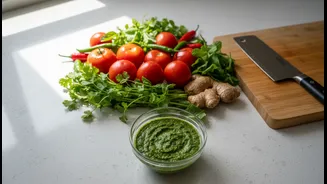
The iconic green chutney is deceptively simple. The biggest challenge is often keeping it vibrant green and preventing it from turning dark or bitter. A key trick used by vendors is adding acidity, like lemon or lime juice, during blending. This prevents oxidation and preserves the bright colour. Some chefs also recommend blending with a few ice cubes to keep the mixture cool, as the heat from the blender blades can dull the herbs' colour. To avoid bitterness, be sure to use fresh leaves and avoid the thick, tough stems of coriander. A small amount of sugar can also help balance any bitterness from the mint. For that authentic texture and thickness, especially for sandwiches, adding a thickener like roasted peanuts or roasted chana dal (fried gram) is a common practice.
The Art of Sweet Tamarind Chutney
The sweet, sticky, and tangy brown chutney, often called saunth or imli chutney, is essential for chaat. Its magic lies in a slow simmer that allows the flavours to deepen. The process usually involves soaking dried tamarind pulp and dates in hot water to soften them. This mixture is then cooked down with jaggery (unrefined sugar) and a blend of spices like roasted cumin powder, ginger powder, and a hint of red chilli powder. Roasting spices like cumin and fennel seeds before grinding them unlocks a deeper, more aromatic flavour that is characteristic of good tamarind chutney. The final step to achieving a silky-smooth consistency is to pass the cooked mixture through a sieve to remove any fibres or seeds, resulting in the luscious texture you find at the best chaat counters.
Unlocking the 'Secret' Ingredients
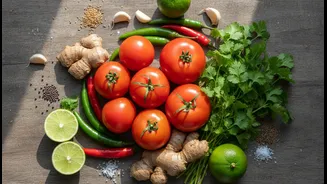
While fresh herbs and quality spices are crucial, a few specific ingredients truly provide that signature street-food taste. Black salt, or kala namak, offers a sulphurous, tangy kick that regular salt cannot replicate and is a game-changer for both green and red chutneys. Chaat masala, a complex spice blend, adds another layer of tangy, spicy, and funky notes that is instantly recognizable. For the green chutney, a small clove of garlic or a piece of ginger can add pungency and depth. In red chutneys, spices like fennel seed powder and dried ginger powder (saunth) contribute a unique warmth and aroma. These are the elements that elevate a chutney from merely good to truly memorable.
Making It Last
One reason vendors always have chutney on hand is because they make it in large batches. You can do the same. Acid, from lemon juice or vinegar, acts as a natural preservative, extending the life of your chutney in the refrigerator for up to a week. For longer storage, freezing is an excellent option. Pour the chutney into ice cube trays and freeze. Once solid, transfer the cubes to a freezer-safe bag. This allows you to pull out a few cubes whenever a craving strikes, giving you instant access to fresh-tasting chutney for weeks or even months. Simply thaw at room temperature or give it a quick 20-second microwave.